The relentless quest to push the boundaries of engineering has given rise to machines capable of functioning in environments once considered impossible. From fiery lava flows to the crushing depths of the ocean, these marvels of modern technology deliver unparalleled performance. This article explores the astonishing capabilities of equipment that continues to operate under the most punishing conditions ever encountered by humankind.
Operation in Extreme Heat
Volcanic Proximity Machinery
Drilling rigs and robotic platforms working at the edge of an active volcano face not only scorching air but also molten rock and corrosive gases. To survive, components are built with materials such as nickel-based superalloys and ceramics that resist oxidation above 1200 °C. Special cooling circuits channel pressurized fluids to critical bearings and actuators, preserving reliability even when ambient temperatures soar beyond 900 °C. Thermal insulation packs shield sensitive sensors, ensuring data collection remains accurate as cameras and seismometers monitor the shifting magma.
Industrial Furnaces and Foundries
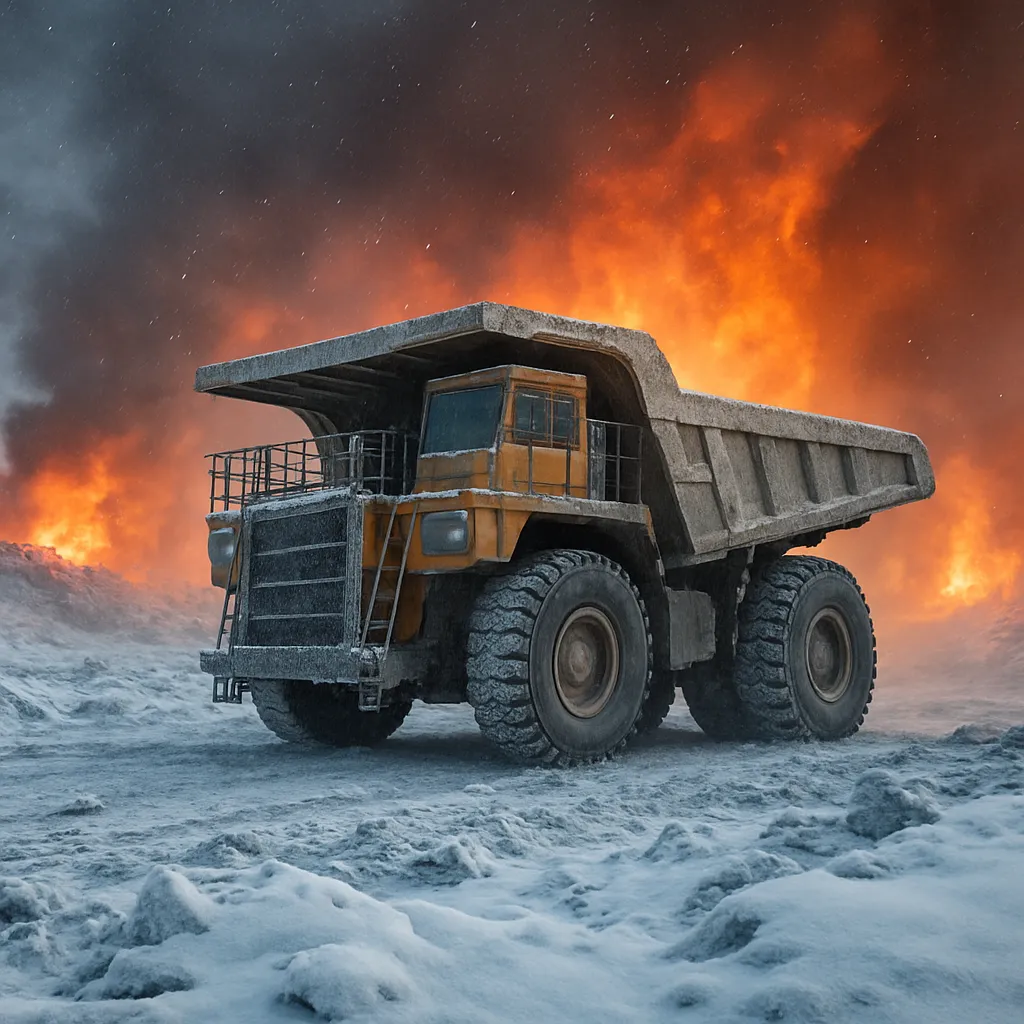
In steel plants and glassworks, mechanical arms and conveyance systems must endure repeated exposure to liquid metal and intense radiant heat. Robotic welders, for instance, feature gas-cooled torch heads and ceramic coatings to uphold durability. Their precision positioning systems utilize fiber-optic encoders, which are inherently immune to electromagnetic interference and thermal drift. Meanwhile, overhead cranes tasked with moving 100-ton ladles employ redundant brake systems and remote-control autonomy to maximize safety near 1600 °C work zones.
Performance Below Freezing Point
Polar Research Stations
At the poles, extreme cold can cause standard hydraulics to seize, electronics to fail, and lubricants to congeal. Specialized snow vehicles and drilling machines incorporate sapphire-based tribological coatings that maintain low friction down to –70 °C. All-weather cameras and sensors are housed in double-walled enclosures filled with inert gas, preventing moisture ingress and ice formation. Satellite-linked robotics perform routine checks on solar panels during the long Arctic night, optimizing energy harvest without endangering personnel.
High-Altitude Drones
At altitudes above 20,000 meters, temperatures plummet below –60 °C and the air thins dramatically. To sustain flight, unmanned aerial vehicles are built from carbon-fiber composites with embedded conductivity pathways for de-icing currents. Onboard processors are cryogenically tested to verify that internal clocks and memory modules retain accuracy in subzero conditions. Adaptive flight-control algorithms compensate for rapid shifts in air density, ensuring these drones deliver reliable surveillance and meteorological data over remote glaciers.
Deep Sea Exploration Equipment
Submersibles and ROVs
Diving to depths exceeding 10,000 meters subjects machinery to pressures over 1,000 atmospheres. Pressure-resistant housings are forged from titanium or maraging steel, offering both strength and corrosion resistance. Complex joint seals rely on multiple O-ring layers and oil-compensated cavities, maintaining resilience under crush conditions. High-bandwidth fiber-optic tethers connect shipboard operators to remotely operated vehicles, feeding real-time video and sonar scans of hydrothermal vents and abyssal plains.
Hydrothermal Vent Probing
Hydrothermal vents discharge superheated fluids rich in toxic chemicals. Specialized sampling probes incorporate sapphire windows and quartz-insulated electrical connectors to avoid chemical attack. Miniature manipulators grasp rock samples with sub-millimeter precision, while onboard spectrometers analyze water composition instantaneously. These systems rely on autonomous fault-detection routines that trigger safe retreat when temperatures exceed design limits, protecting fragile electronics from irreversible damage.
Reliability in Radiation Zones
Nuclear Reactor Maintenance Robots
Within active reactor cores, gamma radiation and neutron flux can degrade electronic components and embrittle metals. Maintenance robots use radiation-hardened circuit boards and silicon-on-insulator processors to mitigate single-event upsets. Hydraulic actuators employ fluoropolymer seals that resist radiation-induced cracking, ensuring sustained adaptability during fuel rod replacements and emergency inspections. Shielding enclosures of tungsten alloy protect critical systems, extending operational life in environments exceeding 106 rad/hour.
Spacecraft Electronic Systems
Space-bound machines confront cosmic rays, solar particle events, and geomagnetic storms. Redundant avionics stacks implement triple-module voting for critical commands, while latch-up protection circuits guard against transient current spikes. Thermal control loops circulate ammonia between radiator panels and avionics bays, maintaining stable operating temperatures despite shadowing and sun exposure. The marriage of resilience and fault-tolerant design allows satellites and interplanetary probes to function for decades beyond Earth’s protective magnetosphere.
Electromagnetic Disturbances and Machines
Solar Flare Resistance
Massive solar eruptions can unleash electromagnetic pulses that threaten ground-based and airborne electronics. Mission-critical infrastructure, including power transformers and communication relays, is shielded within Faraday cages and equipped with surge arrestors. Substations employ fiber-optic control links to decouple sensitive equipment from voltage spikes, preserving network integrity. In aviation, hardened flight-management computers ensure safe navigation when GPS signals degrade, a testament to durability against space weather.
EMP-Hardened Devices
Military and emergency-response equipment often requires protection from nuclear-generated electromagnetic pulses. Such devices integrate metal-mesh hidden layers around circuit boards, while transient voltage suppressors clamp rapid surges. Batteries and power converters are outfitted with low-inductance cabling to minimize loop areas susceptible to induced currents. This rigorous shielding guarantees that command-and-control systems remain operational during worst-case EMP scenarios.
Abrasion and Sandstorm Endurance
Desert Rover Missions
Exploration rovers traversing dunes and rocky outcrops must overcome incessant sand abrasion and thermal cycling. All-terrain wheels are covered with replaceable urethane treads impregnated with tungsten carbide particles, resisting wear from silica grains. Optical lenses feature self-cleaning electrodynamic screens that eject dust particles via brief voltage pulses. Navigation algorithms incorporate inertial measurement units and star trackers, enabling precise course corrections even when GPS signals bounce unpredictably off canyon walls.
Construction Equipment in Arid Climates
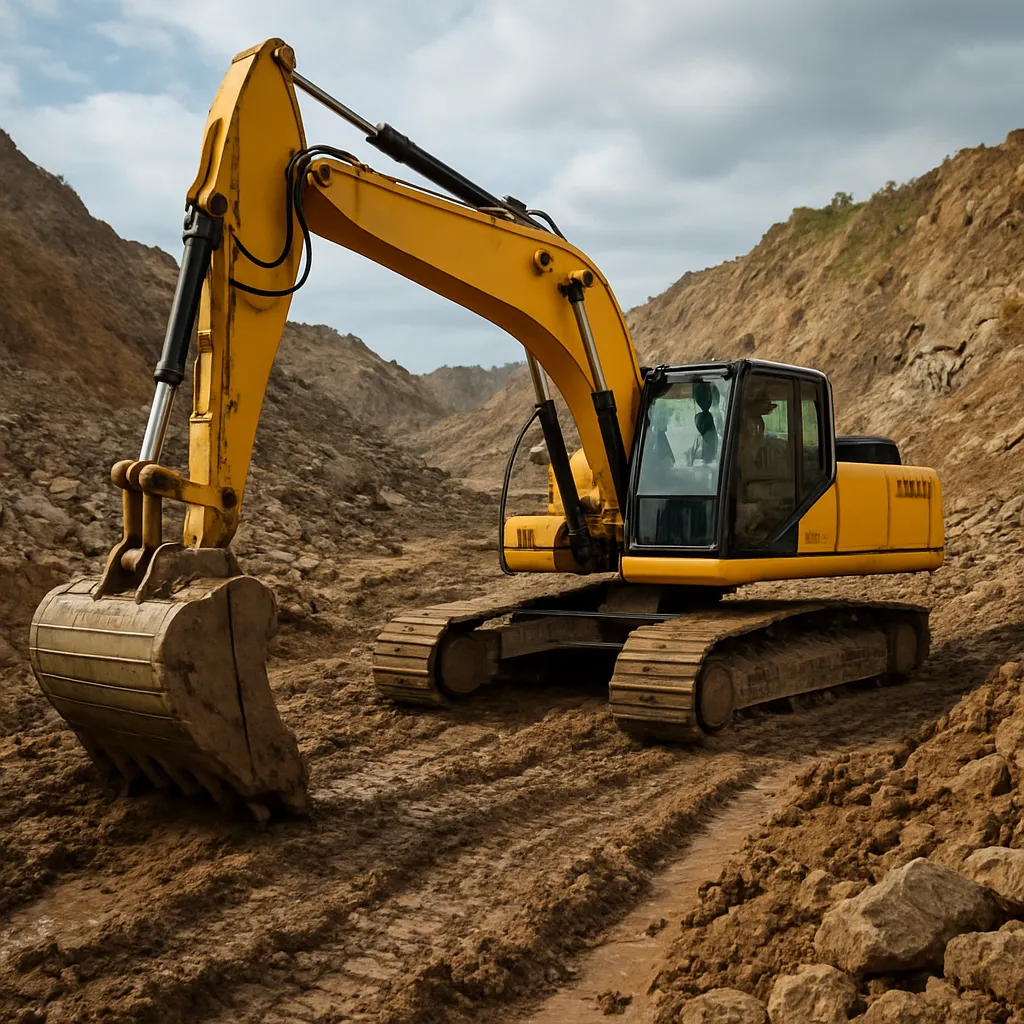
Bulldozers and excavators used in desert regions operate amidst fine dust that can infiltrate engines and gearboxes. Air-intake systems employ cyclonic pre-filters to trap particulate matter, while synthetic lubricants with enhanced anti-wear additives extend oil-change intervals. Operator cabins maintain positive pressure and HEPA filtration, safeguarding human controllers from respiratory hazards. Engine control modules feature adaptive algorithms that adjust fuel injection timing to maintain efficiency despite high ambient temperatures and particulate loads.
- Innovation in materials science pushes boundaries of machine longevity.
- Advanced sensors and control strategies ensure safe operation under duress.
- Autonomous platforms exhibit unparalleled adaptability across multiple extreme realms.