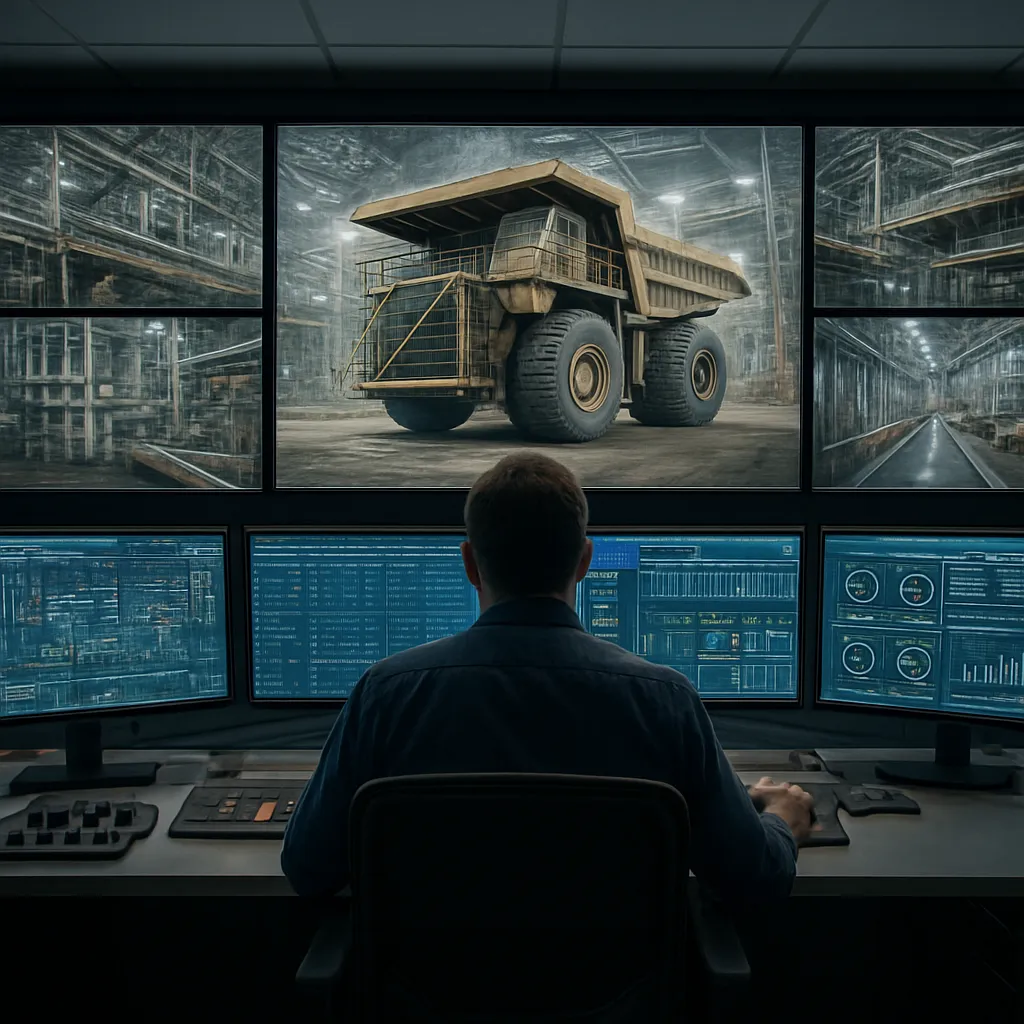
Nestled at the heart of sprawling industrial sites, the control room serves as the nerve center where operators keep a vigilant eye on colossal equipment. Inside this high-stakes environment, every dial, gauge, and screen plays a crucial role in orchestrating the smooth operation of mega machinery. From drilling rigs and power turbines to automated assembly lines and hydraulic presses, these systems rely on a web of interconnected technologies to maintain efficiency, safety, and reliability.
Advanced Sensors and Data Acquisition
Modern mega machines are outfitted with an array of sensors that capture real-time information on temperature, pressure, vibration, and flow rates. These devices form the backbone of any robust automation strategy, allowing engineers to detect anomalies before they escalate into costly downtime or hazardous incidents. Sensor networks often span vast areas, linking remote instruments via fiber optics or wireless protocols to centralized data hubs.
Multi-Modal Sensor Networks
Combining acoustic, optical, and electromagnetic sensors enables a multi-layered view of machine health. Acoustic emission monitors can pinpoint developing cracks in heavy machinery shafts, while infrared cameras reveal hot spots in electrical panels. Piezoelectric accelerometers track vibration spectra, offering early warning of misalignment or bearing wear. By correlating these signals, control systems achieve a panoramic snapshot of equipment status.
Integration with Communication Protocols
Seamless data transmission is guaranteed by standardized protocols like SCADA, OPC UA, and MQTT. These frameworks ensure that information flows reliably between field devices and the central control system. Real-time telemetry feeds dashboards where operators can visualize trends, set thresholds for alerts, and initiate automated safety interlocks. The result is a resilient infrastructure capable of handling millions of data points per second.
Real-Time Analytics and Predictive Maintenance
Raw data alone holds little value without the power of analytics. Control rooms today deploy advanced software to filter noise, identify patterns, and forecast potential failures. Predictive algorithms scan historical logs to determine the normal operating envelope of each machine component. When deviations occur, the system flags them for human review or triggers maintenance workflows automatically.
Machine Learning Models in the Loop
By training machine learning models on terabytes of operational data, engineers build classifiers that distinguish between harmless fluctuations and critical faults. Neural networks excel at recognizing subtle shifts in vibration signatures that precede gearbox malfunctions. Regression models estimate remaining useful life (RUL) of rotating parts, helping planners schedule maintenance with surgical precision.
Edge Computing vs. Cloud Solutions
Edge devices process key streams locally, ensuring minimal latency for safety-critical applications. For deeper analysis, data is uploaded to cloud platforms where scalable compute resources perform batch analytics and long-term trend analysis. This hybrid architecture delivers the best of both worlds: instantaneous reactions for emergencies and comprehensive insights for strategic optimization.
Human-Machine Collaboration in Control Centers
Despite the rise of autonomous systems, skilled operators remain indispensable. Humans provide context, exercise judgment, and execute contingency plans when algorithms reach their limits. Control rooms feature ergonomic workstations equipped with multi-monitor arrays, touchscreens, and voice-activated controls that streamline the decision-making process.
Ergonomics and User Interfaces
Designers emphasize user experience to minimize cognitive load. Layouts place critical information—alarm status, performance metrics, and video feeds—within the operator’s immediate field of view. Adjustable chairs, glare-free screens, and ambient lighting reduce fatigue during long shifts. Haptic feedback devices enhance situational awareness, alerting personnel to urgent conditions without disrupting focus.
Training and Skill Development
- Simulators recreate realistic fault scenarios, enabling trainees to practice emergency responses in a safe environment.
- Virtual reality platforms allow engineers to explore 3D models of complex machinery, gaining spatial familiarity before onsite service.
- Continuous learning modules keep staff updated on the latest resilience strategies, cybersecurity practices, and regulatory standards.
Security and Resilience Strategies
Mega machines often underpin critical infrastructure—power generation, oil and gas, chemical processing—making them prime targets for cyber threats. Robust cybersecurity measures guard against intrusion, while physical safeguards protect control panels and network hardware from tampering.
Cybersecurity Measures
Firewalls and intrusion detection systems isolate operational networks from corporate IT. Multi-factor authentication and role-based access control ensure only authorized personnel can execute critical commands. Regular penetration testing uncovers vulnerabilities, and encrypted communication channels prevent eavesdropping on sensitive data streams.
Fault Tolerance and Redundancy
To maintain continuous operation, control systems incorporate redundant controllers, backup power supplies, and parallel data paths. If one sensor fails, neighboring devices automatically cover the blind spot. Dual-channel safety relays guarantee that emergency shutdowns activate without hesitation. This layered defense maximizes uptime and mitigates the impact of component failures.
Future Trends in Monitoring Mega Machines
Emerging innovations promise to further transform control rooms. Digital twins—virtual replicas of physical assets—enable real-time simulation and optimization. Augmented reality overlays critical data onto machine components during field inspections. Autonomous drones equipped with LIDAR and thermal imagers perform remote surveys of vast installations.
As industries embrace Industry 4.0, the synergy between cutting-edge technologies and human expertise will redefine how mega machines are monitored and managed. The control room of tomorrow will be an even more dynamic hub—one where predictive intelligence, secure communications, and intuitive interfaces converge to keep giant systems running at peak performance.