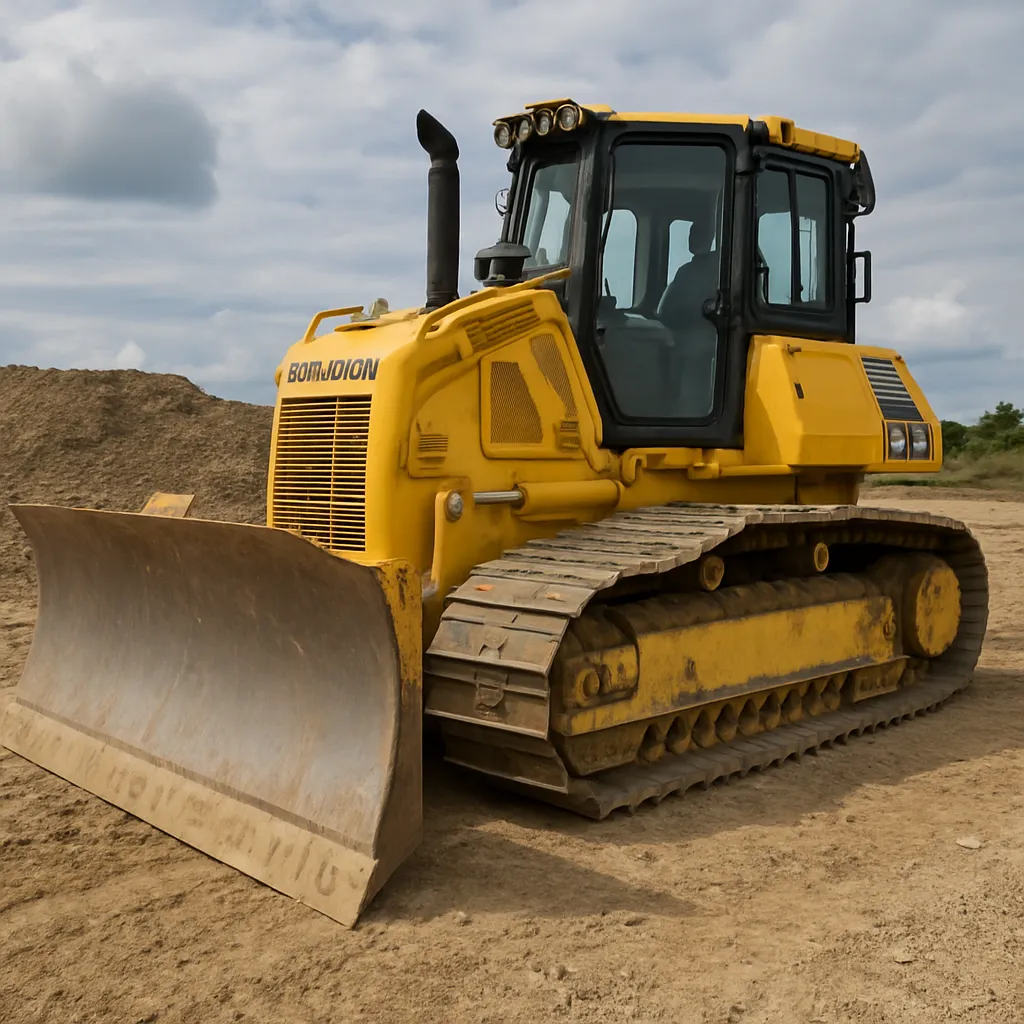
The Komatsu D51EX is a compact-to-medium sized crawler dozer widely used in construction, landscaping, forestry, and agricultural settings. Combining robust mechanical design with modern engine and hydraulic systems, the D51EX line balances power, mobility and lower ground pressure for a broad range of tasks. In this article we explore its main characteristics, typical applications, technological features, maintenance considerations, and market statistics to give a comprehensive picture of why this machine is popular among contractors and fleet managers.
Overview and family lineage
The Komatsu D51EX belongs to Komatsu’s long-standing series of medium dozers that bridge the gap between small utility dozers and larger, heavy-duty machines. The D51 platform has evolved through multiple generations and subvariants (EX, PX, and PL/WD in some markets), each optimized for different ground conditions and job types. The EX designation typically indicates a standard undercarriage, while PX variants emphasize low ground pressure with wider tracks for working on soft or sensitive terrain.
Key characteristics
- Weight class: Typically in the 10–13 tonne range depending on configuration and attachments.
- Engine power: Commonly around 90–130 horsepower (65–97 kW), varying by model year and emission stage.
- Blade types: Straight (S-blade), semi-U, and U-blade options are used to suit grading, pushing, and heavy earthmoving.
- Undercarriage options: Standard and low-ground-pressure track systems (PX) for different soil conditions.
- Fuel capacity and efficiency: Designed for all-day operation on moderate fuel consumption rates relative to its class.
Technical features and modern technologies
Komatsu has integrated several mechanical and electronic systems into the D51EX to improve performance, operator comfort, and machine longevity. While exact features vary by production year and market, the series often includes advances in engine management, hydraulics, operator stations, and serviceability.
Engine and emissions
Most modern D51EX variants employ a turbocharged diesel engine with electronic fuel management to meet regional emissions standards (EU Stage, EPA Tier, etc.). These engines deliver a balance of torque and fuel economy that suits continuous earthmoving. Key elements include improved combustion control and aftertreatment where required, which reduce particulate and NOx output without sacrificing productivity.
Hydraulics and blade control
Hydraulic circuits on the D51EX are tuned for smooth blade operation and reliable push force. Load-sensing or pressure-compensated hydraulic systems may be used in newer models to provide consistent response under varying loads. Blade control systems offer precise positioning for grading and can be paired with aftermarket or factory-fit GPS machine control for high-accuracy work.
Operator comfort and controls
Cab options range from ROPS/FOPS open frames to fully enclosed, air-conditioned cabs with ergonomic seats, adjustable controls and clear visibility. Komatsu emphasizes operator comfort to reduce fatigue during long shifts, which indirectly improves overall productivity and safety.
Serviceability
Regular maintenance is made easier through accessible service points: tilting hoods, grouped filters, and centralized greasing points. Diagnostics are often supported by on-board engines and electronic control units that store fault codes and operational data to simplify troubleshooting.
Typical applications and industry use cases
The versatility of the D51EX makes it popular across multiple industries. Its size and traction options allow it to perform in confined urban sites as well as on farms and reclamation projects. Below are common uses:
- Construction: Site preparation, leveling, cut-and-fill, backfilling and utility trench work.
- Road building: Subgrade compaction support, shoulder shaping and fine grading.
- Landscaping and land reclamation: Shaping terrain, pond excavation support and regrading sites.
- Forestry and agriculture: Road maintenance, clearing skid trails and pushing brush or debris.
- Mining and quarries: Bench clean-up, stockpile management and material spreading in smaller operations.
Blade types, attachments and customization
One of the D51EX’s strengths is adaptability through attachment options. Selecting the correct blade and auxiliary tools optimizes performance for the intended application.
Common blades
- S-blade (straight): Good for precision grading and finish work; excellent blade visibility.
- Semi-U blade: A compromise between carrying capacity and blade control; versatile for general tasks.
- U-blade (universal): Higher carrying capacity for moving larger volumes of material; best for pushing and stockpiling.
Other attachments
- Rippers and single-shank rippers for breaking compacted soils.
- Winches for forestry and steep-terrain operations.
- Angle blades and reversible blades for specialized grading and snow removal.
- Hydraulic quick-couplers and integrated GPS/machine-control kits for precision work.
Operation, maintenance and lifecycle costs
Managing operating costs is essential for machine profitability. The D51EX is designed to offer reasonable lifecycle costs when maintained properly, but key practices will determine total cost of ownership.
Fuel and efficiency
Fuel consumption depends on task intensity, terrain and attachment load. Moderate, mixed-use operation typically yields lower fuel burn than continuous heavy pushing. Electronic engine management and appropriate gear selection can help reduce consumption.
Maintenance schedule
Routine checks—engine oil, hydraulic fluid, track tension, blade pins and bolts, air filters—should be performed daily or weekly depending on hours of use. Major service intervals align with engine hour meters (e.g., 250, 500, 1,000 hours) for fluid changes, filter replacement and inspection of wear components like sprockets and rollers.
Component longevity
With correct maintenance, undercarriage life is one of the major determinants of residual value and can vary widely (usually several thousand hours) depending on ground abrasiveness and operator technique. Using the correct track type (standard vs. PX) for the terrain can extend undercarriage life and reduce ground disturbance.
Safety, ergonomics and environmental aspects
Modern D51EX dozers incorporate features that improve operator safety and reduce environmental impact. These are important both for regulatory compliance and for sustainable fleet operation.
- ROPS/FOPS cabs: Protect operators from rollover and falling objects.
- Visibility aids: Mirrors, cameras and well-placed glazing reduce blind spots.
- Emission controls: Engines with modern aftertreatment meet stricter emissions standards, lowering particulate and NOx output.
- Reduced ground pressure options: PX tracks reduce soil compaction and surface damage, beneficial in sensitive environments.
Market data and statistics (typical ranges and considerations)
Exact sales numbers for a single model variant like the D51EX are rarely published in full detail by manufacturers, but the following points summarize market trends and typical metrics relevant to this machine class.
- Class popularity: 10–13 tonne class dozers, including D51 equivalents from major brands, are popular for small-to-medium contractors due to their balance of power and maneuverability.
- Resale and utilization: Resale values remain strong when maintenance records are clear and the undercarriage is in good condition. Typical useful life before major rebuilds can be 8,000–12,000 hours for well-maintained machines, though many units see extended life with component replacement.
- Operating cost drivers: Fuel, undercarriage wear, and hydraulic component servicing usually represent the largest variable costs.
- Productivity: Productivity is measured in cubic meters per hour for dozer work; a D51EX class machine might average several dozen cubic meters per hour in grading tasks depending on ground conditions and operator skill.
Buying considerations and fleet management
When selecting a D51EX or similar dozer model, buyers should weigh initial cost, expected utilization, resale prospects, and local support. Some practical considerations include:
- Attachments: Confirm compatibility of blades, rippers and auxiliary tools to avoid later retrofit costs.
- Undercarriage choice: Choose PX/low-ground-pressure tracks for marshy soils; standard EX for harder or mixed ground.
- Service network: Local dealer support and parts availability significantly affect downtime and repair cost.
- Telematics: Modern machines often offer telematics for remote diagnostics and fleet tracking—valuable for maintenance planning and theft prevention.
Practical tips for operators
To maximize performance and lifetime of a D51EX, operators and fleet managers should adopt consistent best practices:
- Keep tracks properly tensioned and inspect for loose shoes or damaged links to prevent accelerated wear.
- Use the correct blade for the task; avoid overloading the blade which stresses drive components and the undercarriage.
- Warm up the engine and hydraulic systems before heavy work in cold conditions to reduce stress on components.
- Maintain a record of hours, fuel use, and repairs to help predict maintenance needs and resale timing.
- Train operators on smooth maneuvering and efficient push techniques to reduce fuel use and component wear.
Conclusion
The Komatsu D51EX is a versatile, reliable choice in the medium dozer segment. With a variety of blade and undercarriage options, modern engine and hydraulic technologies, and a focus on operator comfort and serviceability, it fits many small-to-medium scale earthmoving needs. When selected and maintained properly, a D51EX can deliver strong productivity, manageable operating costs and extended service life—making it a common sight on construction sites, farms and forestry operations worldwide.


)
)