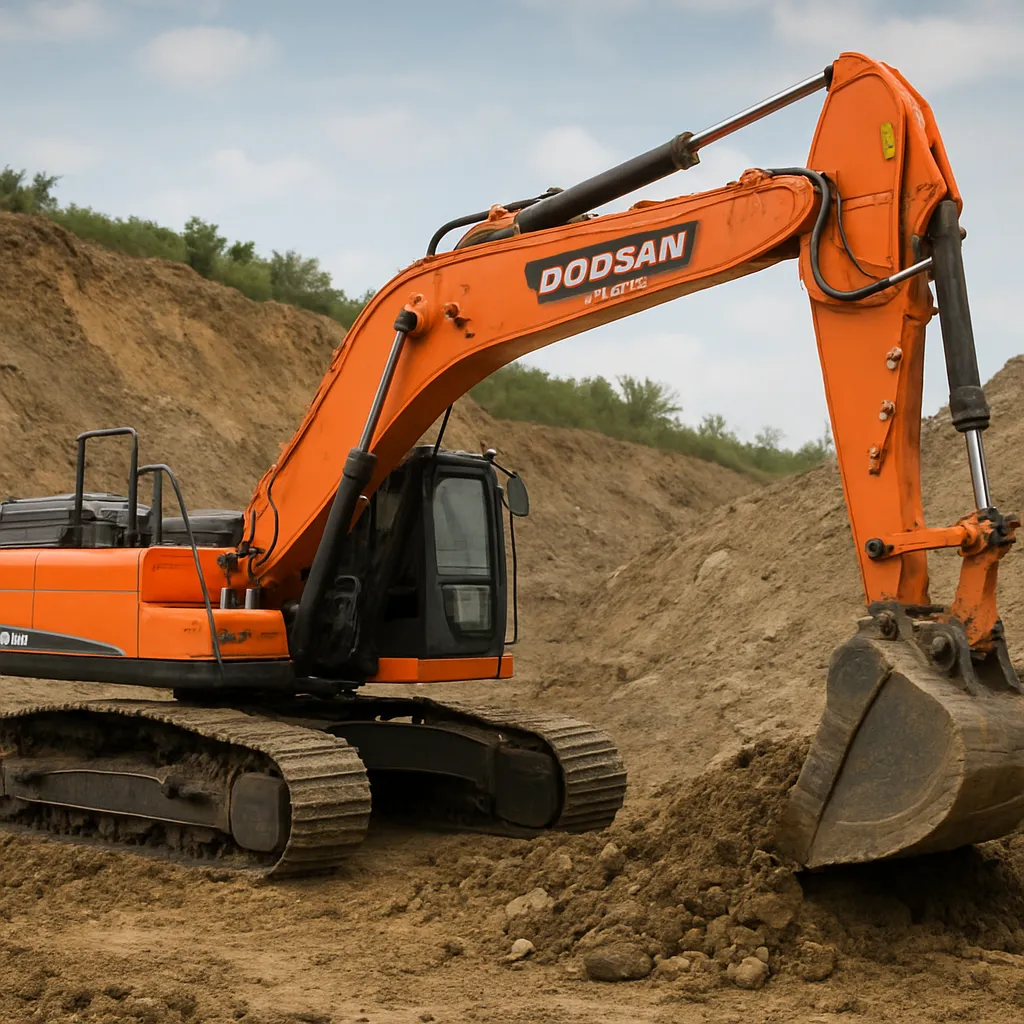
The Doosan DX420LC is a heavy-duty construction machine designed to deliver reliable performance across a wide range of excavation tasks. As a member of the medium-to-large excavator class, it blends robust mechanical engineering with modern hydraulic systems to provide high levels of precision, strength and endurance. This article explores the machine’s design, typical applications, technical characteristics, maintenance considerations and practical tips for owners and operators.
Overview and key features
The DX420LC is built for demanding environments where durability and continuous productivity are essential. Its design emphasizes structural strength, a powerful powertrain and advanced hydraulic controls. Typical buyers include construction companies, quarry operators, infrastructure contractors and rental fleets that require a balance of lifting capability and digging performance.
Construction and structure
- Heavy-duty chassis and reinforced boom/arm geometry improve resistance to fatigue and extend service life.
- Robust undercarriage with wide tracks for stability on uneven terrain and to minimize ground pressure.
- Reinforced boom foot and thick pin bosses reduce wear in high-stress areas, especially during long cycles.
Hydraulics and control systems
- The machine uses an advanced hydraulic system optimized for smooth cycle times and precise control during grading, trenching, and demolition.
- Proportional electro-hydraulic controls enable fine operation at low speeds while delivering full power when required.
- Auxiliary hydraulic circuits allow a wide array of attachments to be used, from hydraulic breakers to grapples and thumbs.
Operator environment
- Ergonomically designed cab with large glazing for excellent visibility and reduced operator fatigue.
- Comfort features often include climate control, adjustable seating, and intuitive multi-function joysticks.
- Modern variants typically come with onboard monitoring systems that display fuel consumption, working hours and maintenance reminders.
Applications and use cases
The Doosan DX420LC is versatile and finds application in a wide variety of industries. It is particularly well-suited for situations that demand heavy digging power and sustained uptime.
Earthmoving and civil construction
- Bulk excavation for foundations, basements and large earthworks.
- Trench digging for utilities (water, sewer, electrical conduits) where stability and reach matter.
- Road and highway projects requiring mass excavation and material handling over long cycles.
Quarrying and mining support
- Loading trucks with heavy rock and aggregate material due to large bucket compatibility and lift capability.
- Site preparation and bench cleaning where durability and power are needed.
Demolition and recycling
- With specialized attachments such as pulverizers, shears and crushers, the DX420LC can handle selective demolition and concrete recycling.
- Long-reach configurations increase safe operating distance for high structures.
Forestry, material handling and specialized tasks
- With grapples and thumbs, it can perform log handling and sorting in forestry operations.
- Ports and industrial yards use it for bulk material handling and stockpile management.
Performance and technical specifications (typical)
Specifications for the DX420LC can vary by model year, regional emissions standards and specific configuration (standard, long arm, short arm, or long reach). The values below represent commonly cited ranges for this class of machine and typical Doosan configurations. Exact figures should be verified against the machine serial number and manufacturer documentation for procurement or regulatory purposes.
- Operating weight: approximately 40,000–43,000 kg (88,000–95,000 lb)
- Engine power: roughly 230–280 kW (310–375 hp), depending on emission stage and tuning
- Bucket capacity: generally ranges from 1.5 to 2.5 m3 for standard digging buckets; specialized buckets may have larger capacities
- Maximum digging depth: approximately 7.0–7.7 m (23–25 ft) depending on arm configuration
- Maximum reach at ground level: around 11.5–12.5 m (37–41 ft)
- Maximum digging force (arm/boom): typical breakout forces are in the high kN range, enabling hard ground penetration and heavy lifting
- Fuel tank capacity: usually in the 500–700 L range (130–185 US gallons)
- Hydraulic system pressure: high-pressure systems commonly operate in the 280–350 bar (4,000–5,000 psi) range for main circuits
These figures place the DX420LC in the medium-to-large excavator category, offering a balance of reach, lift capacity and mobility that suits heavy civil and industrial tasks. The machine’s weight and hydraulic power also make it a solid choice for applications that require continuous heavy lifting and loading.
Attachments and versatility
One of the strengths of the DX420LC is the wide variety of attachments that expand its capabilities beyond pure excavation.
- Buckets (general purpose, rock, heavy-duty, and large-volume) for different soil and material types
- Hydraulic breakers for concrete and rock breaking
- Grapples and thumbs for demolition, sorting and forestry
- Compactors and rammers for trench and roadwork compaction
- Tilting couplers and rotating grabs to increase versatility in handling and grading
- Quick-coupler systems to facilitate fast and safe attachment changes on-site
Using specialized attachments not only increases productivity but also enables one machine to perform multiple jobs, increasing return on investment for owners and rental fleets.
Operational efficiency and fuel economy
Modern Doosan excavators, including the DX420LC line, have seen improvements aimed at increasing productivity while reducing operating costs.
- Engine management systems optimize fuel use under varying loads, improving fuel efficiency during long shifts.
- Idle and auto-shutdown features cut fuel burn when the machine is not actively working.
- Advanced hydraulics with load-sensing or power-sharing modes reduce energy waste by delivering oil flow only where needed.
- Operator training and telematics data can further enhance efficiency by identifying wasteful practices, such as prolonged idling or inefficient travel patterns.
Telematics platforms available for Doosan machines provide real-time data on fuel use, hours, idle time and maintenance alerts—tools that fleet managers can use to reduce costs and increase uptime.
Maintenance, reliability and lifecycle costs
Reliability over time is a major factor in the total cost of ownership for heavy equipment. The DX420LC emphasizes serviceability and component durability to minimize downtime.
Routine maintenance considerations
- Regular engine oil, hydraulic oil and filter changes per manufacturer intervals.
- Daily checks of track tension, undercarriage wear, and lubrication points.
- Cooling system inspections to ensure proper temperature control under heavy loads.
- Monitoring of pin and bushing wear; early replacement can prevent more expensive structural repairs.
Common wear points and preventive measures
- Undercarriage components: sprockets, rollers and track shoes wear with use—rotate or replace as recommended to avoid uneven stress.
- Hydraulic hoses and seals: inspect regularly for leaks and abrasion damage.
- Boom/arm pins and bushes: maintain proper greasing schedules to prevent accelerated wear.
Investing in planned maintenance, high-quality replacement parts and operator training tends to pay off with longer machine life and higher resale values. Rental fleets often report higher uptime using aftermarket telematics and proactive parts replacement programs.
Safety features and operator considerations
Large excavators must balance power with safety features that protect operators and ground workers. The DX420LC typically incorporates several standard and optional safety systems.
- ROPS/FOPS certified cabs to protect operators in rollovers and falling-object scenarios.
- Rear- and side-view cameras and proximity sensors to improve visibility in busy job sites.
- Emergency shut-off switches and lockout systems to minimize risk during maintenance or attachment changes.
- Stability systems (in some configurations) that provide warnings or limit certain operations when the machine approaches unsafe configurations.
Economic and market considerations
When evaluating a purchase or rental of a DX420LC, businesses should consider acquisition cost, operating expenses, resale value and suitability for intended tasks.
- New unit prices vary by region, dealer packages and options; mid-size heavy excavators like this often represent a significant capital investment.
- Used equipment markets can provide cost-efficient solutions; however, condition, hours, maintenance history and attachment inventory heavily influence value.
- Resale and lifecycle value are improved with thorough service records, minimal structural damage and well-preserved undercarriage systems.
- Availability of parts and dealer support in the operator’s region is a practical consideration that affects downtime and long-term costs.
Environmental impact and emissions
Doosan, like other major manufacturers, has transitioned engines and after-treatment systems to meet evolving emissions regulations. Depending on model year and region, the DX420LC may comply with various standards (e.g., Tier 4 Final in North America, Stage V in Europe, or earlier tiers where applicable).
- After-treatment systems such as Diesel Particulate Filters (DPF) and Selective Catalytic Reduction (SCR) reduce particulate and NOx emissions.
- Efficient hydraulic and engine controls contribute to lower fuel consumption and reduced greenhouse gas emissions per unit of work.
- Proper maintenance of emissions systems is required to keep the machine in compliance and operating efficiently.
Practical tips for operators and fleet managers
- Match the machine configuration (arm length, bucket size, undercarriage) to the job for optimal cycle times and fuel use.
- Use telematics to actively manage idle times, fuel consumption and preventative maintenance scheduling.
- Train operators in efficient digging techniques—proper bucket fill, swing minimization, and reduced idling deliver measurable savings.
- Maintain a parts inventory for high-wear components to minimize downtime on critical projects.
- When selecting attachments, consider quick-coupler systems and hydraulic flow requirements to reduce changeover time and increase utilization.
Summary
The Doosan DX420LC is a capable and adaptable excavator designed for heavy-duty excavation, loading and specialized construction tasks. With solid structural components, modern hydraulic systems and a comfortable operator environment, it suits contractors and rental fleets that demand consistent productivity. Approximate technical characteristics place it in the 40–43 tonne operating weight class with engine power and hydraulic capabilities sufficient for a broad set of civil, quarrying and demolition roles. Attention to maintenance, appropriate attachments and operator training will maximize the machine’s useful life and return on investment, while telematics and efficient operating practices can significantly improve overall performance and reduce total operating costs.


)
)