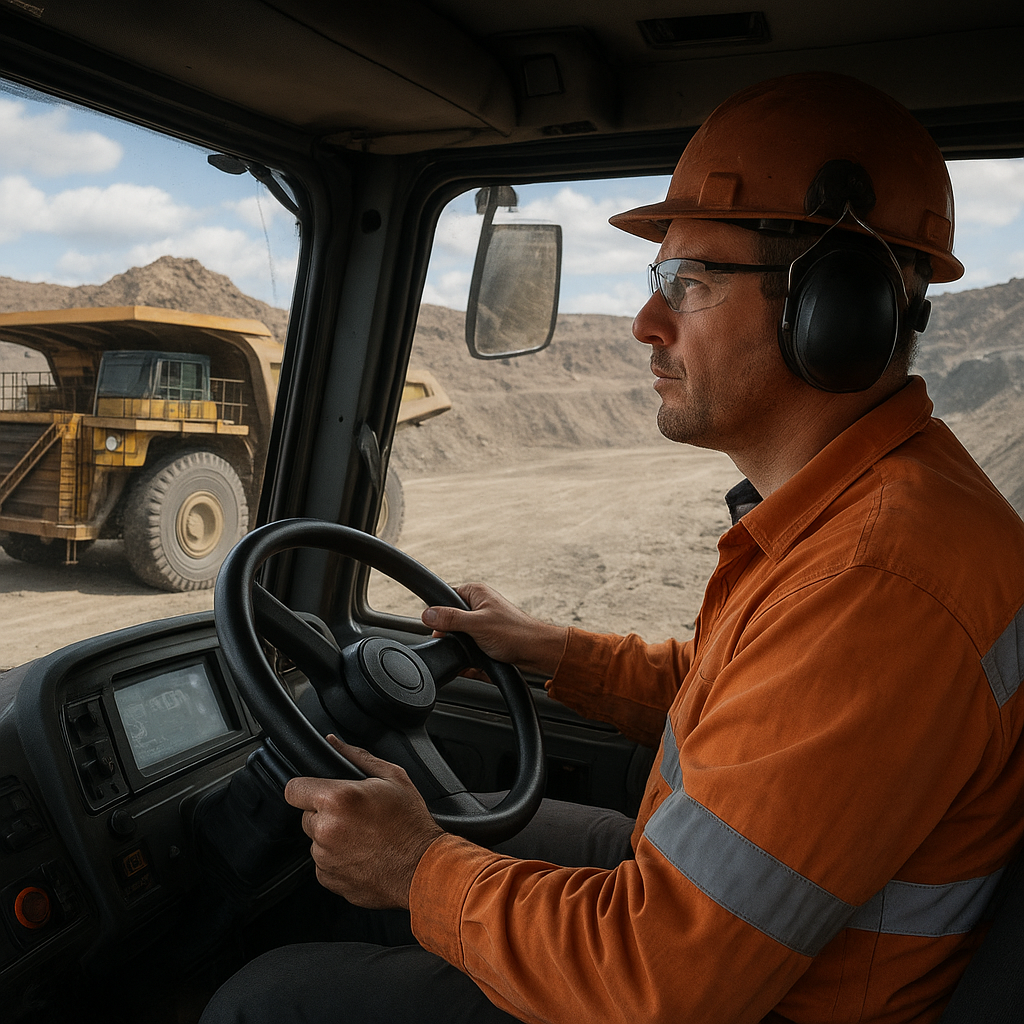
Operating massive industrial machinery transforms raw materials into the foundations of modern civilization. From extracting valuable ores to transporting colossal loads, these mechanical giants demand precision, skill, and resilience. In this exploration, we delve into the inner workings of a 500-ton mining truck, the safety measures that protect operators, the balance between productivity and environmental stewardship, and the innovations driving the future of heavy equipment.
Operation of a Gigantic Mining Truck
Piloting a 500-ton mining truck requires mastering an array of complex systems. Beneath the hood lies a behemoth of engineering prowess, delivering over 3,000 horsepower to conquer rugged terrain. The chassis supports payloads that can surpass 400 tons, while the powertrain integrates a diesel engine with advanced torque converters and multi-stage transmissions. Every element—from the steering actuators to the braking system—must withstand extreme stress.
Cab Ergonomics and Controls
The operator’s cab is a sanctuary of technology and comfort. Adjustable seats with pneumatic suspension absorb jolts from uneven ground. Digital displays provide real-time feedback on fuel consumption, hydraulic pressure, and engine temperature. Joystick controllers and pedal assemblies are designed for intuitive use, reducing fatigue during long shifts. Advanced HVAC systems maintain optimal conditions, ensuring that concentration remains sharp even in scorching heat or subzero cold.
Power and Performance
Managing such colossal machines involves careful modulation of hydraulics and transmission settings. High-capacity pumps deliver hydraulic fluid to lift arms, boost braking, and power steering. The engine’s torque curve is tuned to maintain momentum when climbing steep grades or hauling heavy loads. Operators learn to read subtle shifts in sound and vibration, adjusting throttle position to maximize efficiency without sacrificing speed or safety.
Safety Protocols and Technological Innovations
Safety is paramount in mining operations. Each mile covered by a 500-ton truck carries potential hazards—from rockslides to mechanical failures. To minimize risk, companies implement rigorous training, regular inspections, and cutting-edge technologies.
- Collision Avoidance Systems: Radar and LIDAR sensors detect obstacles, alerting operators and triggering automated braking.
- Tire Monitoring: Embedded pressure sensors relay tire health data, preventing blowouts under colossal loads.
- Operator Alertness: Biometric seating pads track heart rate and posture, issuing warnings if signs of drowsiness appear.
- Remote Diagnostics: Telematics platforms gather machine data, enabling predictive maintenance and reducing downtime.
Emergency Preparedness
Drills simulate brake failures, sudden obstacles, and fires. Operators practice rapid egress procedures and coordinate with on-site emergency crews. Fire-suppression systems integrate with engine compartments and hydraulic lines to quell flames before they spread. Every second counts when half a million kilograms are in motion.
Productivity, Maintenance, and Environmental Impact
Maximizing Uptime
Mining truck fleets operate around the clock. Scheduled maintenance windows ensure that engines receive oil changes, filters are replaced, and structural components undergo non-destructive testing. Condition-based maintenance algorithms predict wear on critical parts, triggering service alerts only when necessary. This proactive approach enhances resilience and extends component lifespans.
Balancing Load and Speed
Dispatchers use fleet-management software to assign trucks based on haul distance, ore grade, and road conditions. Overloading reduces tire life and increases fuel consumption, while underloading lowers overall productivity. Striking the ideal balance maximizes ton-kilometers per hour, translating into higher profitability and lower carbon emissions per ton moved.
Environmental Stewardship
Modern mining operations pursue sustainability through fuel-efficient engines, electric-drive alternatives, and dust control measures. Water sprays and enclosed conveyor systems minimize airborne particulates. Noise-reduction enclosures protect workers and nearby communities. Rehabilitation plans transform excavation sites into wetlands, forests, or recreational areas after resource extraction concludes.
Future Trends in Heavy Machinery
The next generation of heavy equipment emphasizes automation, connectivity, and alternate powertrains. Autonomous haul trucks already traverse mine roads without human operators, relying on GPS, radar, and machine-learning algorithms. Remote-control centers allow a single operator to oversee multiple vehicles from a safe, climate-controlled facility.
Electric and Hybrid Drives
Battery-electric mining trucks are emerging, reducing diesel consumption and greenhouse gas emissions. Regenerative braking systems capture energy during downhill runs, feeding it back into onboard batteries. Hybrid configurations combine diesel engines with powerful electric motors, enhancing acceleration and lowering fuel costs.
Augmented Reality and Training
Virtual simulators immerse trainees in realistic mine scenarios, from navigating winding haul roads to responding to emergency shutdowns. Augmented-reality headsets overlay maintenance instructions onto real equipment, guiding technicians through complex repairs. These tools accelerate skill acquisition and ensure consistent adherence to best practices.
Data-Driven Decision Making
Big data analytics empower operations managers to fine-tune every aspect of the mining cycle. From pit design to truck fleet dispatch, insights drawn from machine telematics, geological surveys, and market trends inform strategic planning. This holistic approach boosts operational efficiency and positions companies to adapt swiftly to changing demands.
Conclusion
The world’s largest mining trucks embody human ingenuity, pushing the boundaries of size, power, and precision. As technology advances, these mechanical giants will become safer, cleaner, and smarter—continuing to fuel infrastructure growth, resource development, and economic progress. Mastery of such machines not only hinges on technical know-how but also on a profound commitment to innovation, safety, and environmental responsibility.