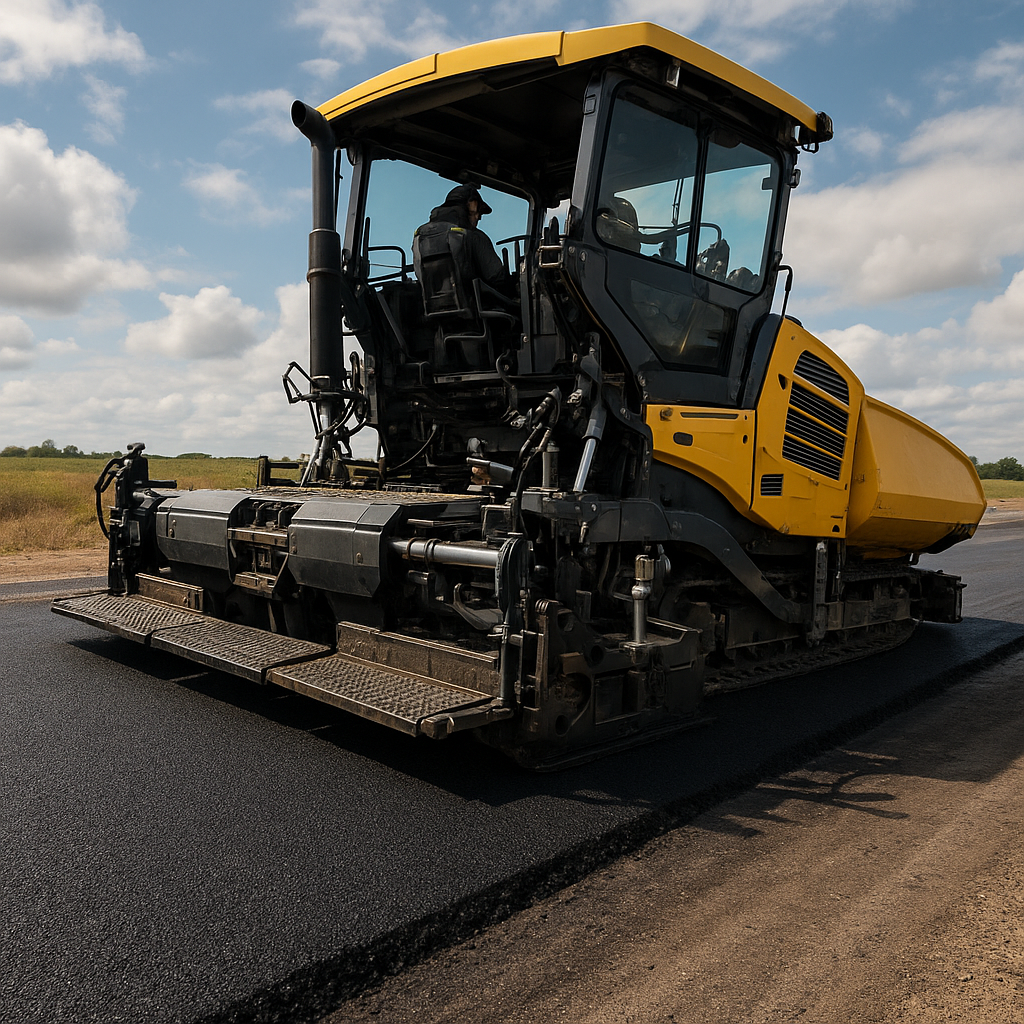
Paving modern highways and urban streets requires a blend of cutting-edge machinery, precise engineering, and adaptive controls. Asphalt pavers stand at the forefront of this industry, transforming raw materials into durable road surfaces. These machines incorporate a variety of advanced systems that enhance performance, optimize efficiency, and ensure consistent material distribution. From the propulsion unit to the screed, each component plays a vital role in achieving a smooth, even pavement layer. By leveraging digital interfaces and real-time data, operators can maintain precision and uphold strict quality standards even under challenging field conditions.
Innovative Components in Modern Asphalt Pavers
At the heart of every asphalt paver lies a network of mechanical and electronic subsystems designed to work in concert. Key components include the conveyor system, augers, screed, and powertrain. Upgrades in these areas have introduced advanced materials and intelligent controls.
Powertrain and Propulsion
Modern pavers often feature diesel-electric or fully electric drivetrains that deliver high torque at low speeds. This hybrid architecture can reduce fuel consumption by up to 20%, while offering smoother acceleration and control. Variable displacement pumps adjust engine output based on load, maintaining optimal performance during high-demand operations. Additionally, regenerative braking systems can capture excess energy, further improving efficiency and lowering carbon emissions.
Augers and Conveyor Systems
The material flow system begins with the hopper, where asphalt mix is fed by dump trucks. Conveyor belts transport the mix toward the augers, which distribute it laterally in front of the screed. New belt materials minimize heat loss and resist wear, extending service intervals. Augers now come with user-adjustable pitch and speed settings, enabling operators to finetune material spread for varying mix grades and paving widths.
Screed Design and Heating
The screed is responsible for initial compaction and surface profile. Modern screeds incorporate high-strength alloys and composite liners that resist abrasion and maintain flatness under heavy loads. Embedded electric heating elements, controlled by digital thermostats, ensure uniform mat temperature. This feature prevents cold joints and reduces the need for supplementary passes, significantly boosting site productivity.
Intelligent Sensors and Automation Strategies
Automation has revolutionized the asphalt paving process. Sensors and control systems deliver real-time feedback, allowing machines to self-adjust and maintain quality standards. By integrating these technologies, contractors can achieve tighter tolerances and reduce manual interventions.
- Laser Guidance Systems: Using rotating lasers and receiver units, pavers can compare screed elevation against a reference plane. Automatic hydraulic adjustments maintain constant slope and thickness, reducing material waste and improving surface smoothness.
- GPS and GNSS Integration: Satellite positioning enables pavers to follow pre-defined paving patterns with centimeter-level accuracy. Coupled with machine control software, operators can switch seamlessly between lanes and curves without manual recalibration.
- Temperature Monitoring: Infrared and contact sensors measure the mat temperature at multiple points, feeding data to the onboard controller. If local temperatures deviate from targets, the screed’s heating system activates or deactivates specific zones to maintain uniformity.
- Load and Torque Feedback: Strain gauges and torque sensors track the stress on drive components. Operators receive alerts if conveyor belts or augers experience abnormal loads, preventing mechanical failures before they occur.
Sustainability and Efficiency Enhancements
Environmental considerations play an increasingly prominent role in machine design. Asphalt recycling, reduced emissions, and resource conservation have driven innovations in paver technology.
Warm-Mix and Recycled Asphalt Application
Warm-mix asphalt (WMA) technologies allow paving at temperatures 20–40 °C lower than traditional hot-mix methods. Lower temperature requirements translate into reduced energy consumption and fewer greenhouse gas emissions. Modern pavers are equipped with specialized augers and screeds that handle WMA formulations without compromising durability or compaction quality. Furthermore, reclaimed asphalt pavement (RAP) can be blended on site using automated proportioning systems, promoting circular material use and cutting waste.
Fuel Management and Emissions Control
Engine manufacturers have introduced Tier 4 Final and Stage V compliant power units that meet stringent exhaust regulations. Selective Catalytic Reduction (SCR) and Diesel Particulate Filters (DPF) minimize NOₓ and soot emissions. Some paver models utilize telematics to monitor fuel consumption in real time. Fleet managers can analyze usage patterns and schedule preventive maintenance to maximize uptime and reduce operational costs.
Safety and Maintenance Protocols
In a heavy-equipment environment, operator safety and machine reliability are critical. Advanced pavers integrate features that safeguard personnel and simplify upkeep.
- Ergonomic Control Stations: Adjustable seats, intuitive joysticks, and touchscreen interfaces reduce operator fatigue and improve visibility around the machine.
- Proximity Detection: Radar or ultrasonic sensors alert operators to nearby obstacles or crew members, preventing accidents in tight work zones.
- Automated Greasing Systems: Central lubrication units dispense the exact amount of grease at predefined intervals, ensuring consistent bearing life and lowering maintenance labor.
- Diagnostic Software: Onboard electronics continuously monitor hydraulic pressures, coolant temperatures, and electrical loads. Integrated fault codes guide technicians to the source of an issue, shortening troubleshooting times.
Future Trends and Innovations
The paving industry continues to evolve, driven by demands for higher quality, lower costs, and greener operations. Upcoming advancements may include fully autonomous pavers capable of completing simple paving runs without human intervention. Artificial intelligence and machine learning algorithms could analyze historical project data to optimize paving parameters in real time. Wireless connectivity between pavers, rollers, and trucks will create cohesive fleets where each unit adapts to the progress of others, maximizing overall efficiency. As digitalization and automation progress, asphalt paving machines will become even more innovative and adaptive, defining the next generation of infrastructure development.