The Smartest Machines in the World – Automation at Work explores how cutting-edge technologies are reshaping industries, unlocking unprecedented levels of productivity, and redefining the relationship between humans and machines. From high-speed assembly lines to self-learning robots, these intelligent systems are driving a new era of industrial innovation.
Revolutionizing Manufacturing with Automated Systems
Automated Assembly Lines
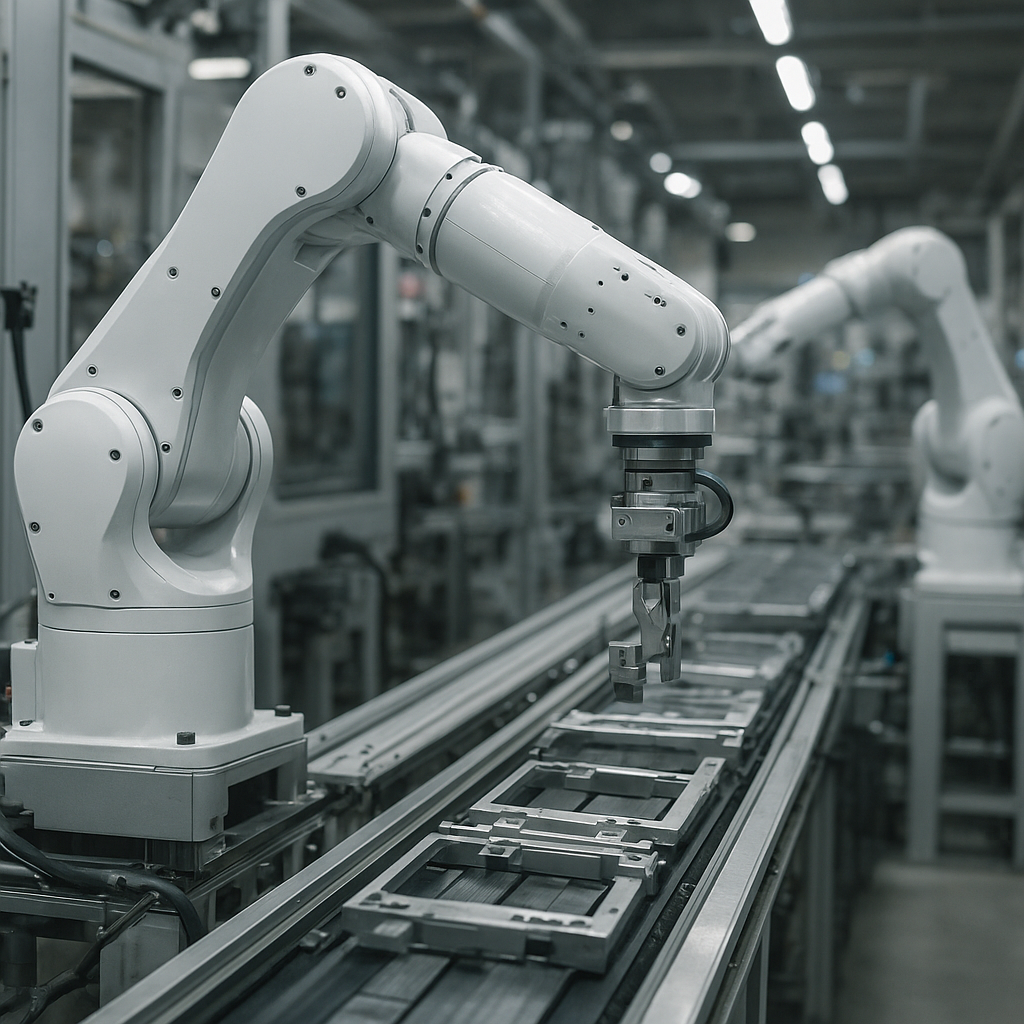
Traditional production processes have given way to fully integrated, automation-driven assembly lines that deliver constant output with minimal human intervention. These lines feature high-speed conveyor belts, smart sensors, and robotic arms capable of handling delicate components with micron-level precision. By synchronizing each station through industrial networks, manufacturers achieve unparalleled efficiency and reduce costly downtime.
Advanced control algorithms monitor key performance indicators in real time. Anomalies such as misaligned parts or unscheduled vibrations trigger self-correcting routines, ensuring that every product meets stringent quality standards. This closed-loop feedback not only optimizes throughput but also enables predictive maintenance, alerting technicians before a breakdown can occur.
Quality Control Systems
Modern enterprises rely on vision-based inspection systems to inspect thousands of units per hour. High-resolution cameras paired with deep learning models analyze surface defects, color variations, and dimensional tolerances faster than any human eye. The integration of analytics platforms allows companies to aggregate inspection data across multiple factories, revealing patterns that inform process improvements and material selections.
- Real-time defect detection
- Automated corrective actions
- Data-driven process optimization
By leveraging these smart systems, businesses can bolster their productivity and maintain consistent output even during peak demand periods.
Harnessing AI and Robotics at Work
Collaborative Robots on the Factory Floor
Collaborative robots, or cobots, work safely alongside human operators, handling repetitive or ergonomically challenging tasks. Equipped with force-sensing technology and advanced vision modules, cobots adjust their speed and trajectory the moment they sense unexpected contact. This capability fosters seamless collaboration between humans and machines, combining human judgment with robotic strength and stamina.
From precision screw-driving to palletizing heavy cartons, cobots excel in scenarios that demand adaptability. Programmable through intuitive teach-pendant interfaces, they can be redeployed to various assembly lines within hours, enabling manufacturers to respond rapidly to shifting market needs.
Machine Learning in Operations
Machine learning algorithms analyze mountains of operational data to uncover hidden inefficiencies and optimize resource allocation. By training models on historical production logs, supply chain records, and energy usage metrics, AI systems can recommend optimal production schedules, adjust temperatures in real time, and even suggest equipment upgrades.
In the realm of packaging, for instance, learning-based systems predict which materials will minimize waste under different environmental conditions. This not only cuts costs but also advances corporate sustainability goals by reducing material consumption and carbon footprint.
Emerging Technologies and Ethical Implications
Internet of Things Integration
The convergence of the Internet of Things (IoT) and industrial automation is enabling smart factories that operate with minimal human oversight. Connected sensors track machine health, inventory levels, and environmental factors such as humidity or temperature. All data streams converge in centralized dashboards, where AI-driven analytics spotlight areas for improvement.
IoT-enabled systems support sustainability initiatives by dynamically adjusting power consumption, optimizing cooling systems, and reducing waste. Over time, collected data helps manufacturers refine processes, extend equipment lifespans, and implement greener operational strategies.
Workforce Transformation and Skills Development
As machines assume more routine responsibilities, the human workforce is evolving toward roles that emphasize creativity, critical thinking, and complex problem-solving. Organizations are investing in upskilling programs to equip employees with expertise in robotics programming, data science, and system integration.
Embracing this shift requires a cultural transformation. Companies must foster environments where workers and intelligent systems complement each other, leveraging the innovation potential of humans while capitalizing on the strength and reliability of machines. By embracing lifelong learning and agile management practices, businesses can drive continuous transformation and maintain competitive advantage in a fast-paced market.