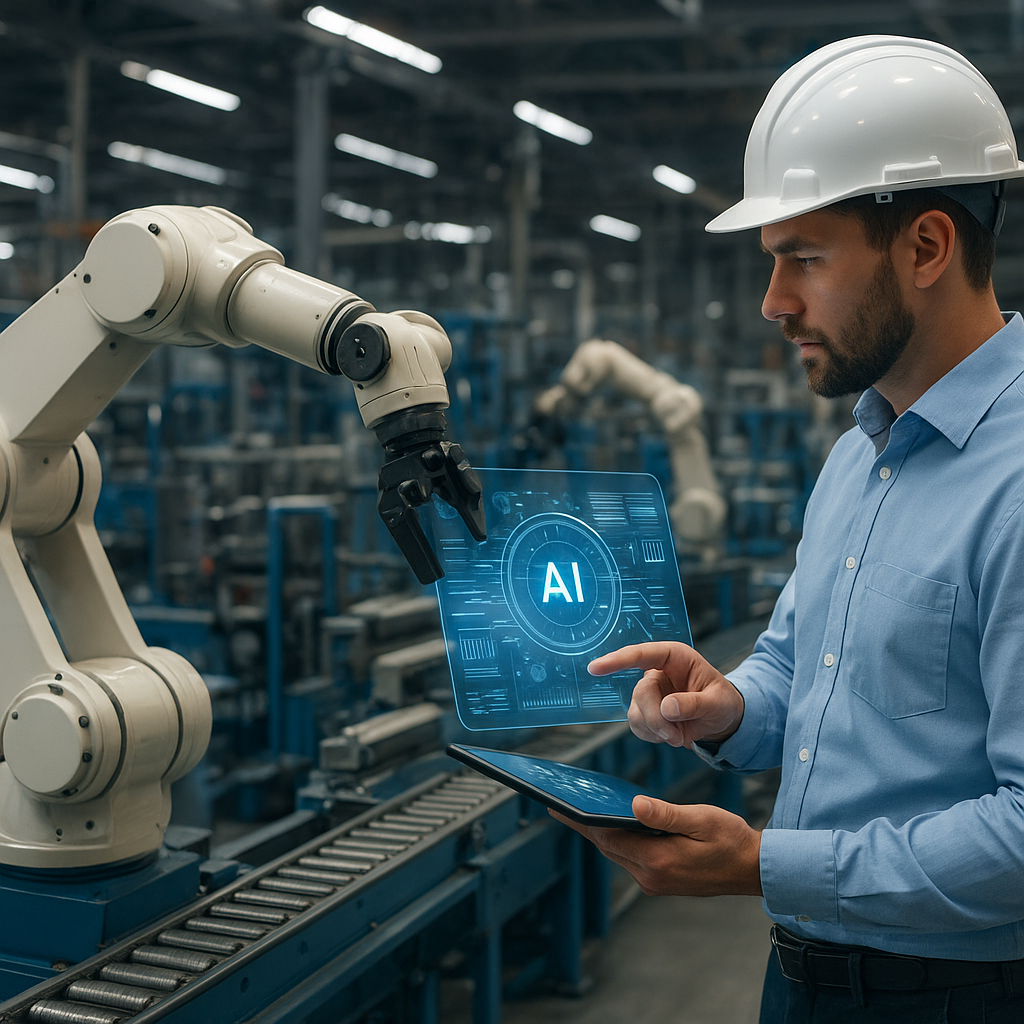
The concept of machines collaborating with intelligent systems has revolutionized modern production environments. By integrating advanced algorithms with robust hardware, industries achieve unprecedented levels of efficiency, precision and adaptability. This article explores various aspects of machines at work, the role of AI in optimizing operations, and the transformative synergy between human expertise and smart devices.
The Rise of Smart Manufacturing
Smart manufacturing represents a paradigm shift from traditional assembly lines to dynamic, interconnected systems. These systems leverage sensors embedded in machinery to collect real-time data on temperature, vibration, and performance. Such data flows into centralized platforms where data analytics techniques identify patterns, anomalies, and improvement opportunities.
Evolution of Production Floors
Early factories relied on manual controls and periodic inspections. Today’s facilities deploy a network of intelligent devices that communicate seamlessly. Plant managers can monitor production rates, energy consumption, and material usage from remote dashboards. This level of oversight minimizes downtime and streamlines resource allocation.
Key Components of a Smart Factory
- Automation platforms that execute repetitive tasks with consistency.
- Integrative software for process orchestration and real-time control.
- Robotic arms and robotics cells capable of high-precision assembly.
- Edge computing nodes that filter and analyze data before cloud transmission.
- Secure networks ensuring cybersecurity and data integrity.
AI-Driven Automation in Action
Advanced algorithms enable machines to learn from historical data and adapt to new conditions. By implementing machine learning models, factories predict equipment failures and schedule maintenance proactively. This approach, known as predictive maintenance, reduces unplanned stoppages and extends the lifespan of critical assets.
Intelligent Quality Control
Vision systems powered by AI inspect components at speeds impossible for the human eye. High-resolution cameras capture images of products as they move along conveyors. Deep learning networks analyze these images pixel by pixel, flagging defects such as scratches, misalignments, or color deviations. Automated rejection mechanisms then divert faulty items without halting production.
Adaptive Production Scheduling
Dynamic scheduling algorithms adjust workflows in response to shifting demand and resource availability. When supply chain delays or urgent orders arise, the system recalibrates task sequences to meet delivery deadlines while minimizing idle time. This agility fosters a just-in-time manufacturing ethos, reducing inventory costs and waste.
Integrating Human Expertise with Machines
Despite advances in automation, human ingenuity remains indispensable. Skilled operators, technicians, and engineers collaborate with smart systems to troubleshoot anomalies, optimize processes, and drive innovation. This collaboration ensures that machines complement rather than replace human roles.
Augmented Reality for Maintenance
Augmented reality (AR) headsets guide technicians through complex repair procedures. Visual overlays indicate component locations, torque specifications, and step-by-step instructions. This hands-free interface accelerates fault diagnosis and reduces error rates during maintenance tasks.
Digital Twins and Simulation
Creating a digital replica of the physical plant allows teams to simulate changes before implementation. Engineers can test new layouts, process tweaks, or equipment upgrades in a risk-free virtual environment. By validating scenarios through simulation, organizations avoid costly production halts and optimize throughput.
Challenges and Future Trends
While the benefits of smart factory initiatives are compelling, several hurdles must be addressed to achieve widespread adoption.
- Interoperability: Ensuring seamless communication among heterogeneous devices and legacy systems.
- Data Security: Protecting sensitive operational and intellectual property data from cyber threats.
- Workforce Training: Equipping personnel with digital skills to manage and maintain AI-driven systems.
- Scalability: Balancing the cost of new technologies with the expected return on investment.
Emerging trends suggest even greater integration of AI with edge devices, enabling decentralized decision-making and reduced latency. Collaborative robots (cobots) will increasingly operate alongside humans, enhancing productivity in small-batch and custom manufacturing. Additionally, advances in data analytics and cloud computing will provide deeper insights into supply chain dynamics and sustainability metrics.
By combining robust hardware, intelligent software, and human creativity, the factories of tomorrow will deliver higher quality products, adapt rapidly to market shifts, and operate with greater environmental responsibility. Embracing this evolution positions industries for continued growth and resilience in a competitive global landscape.