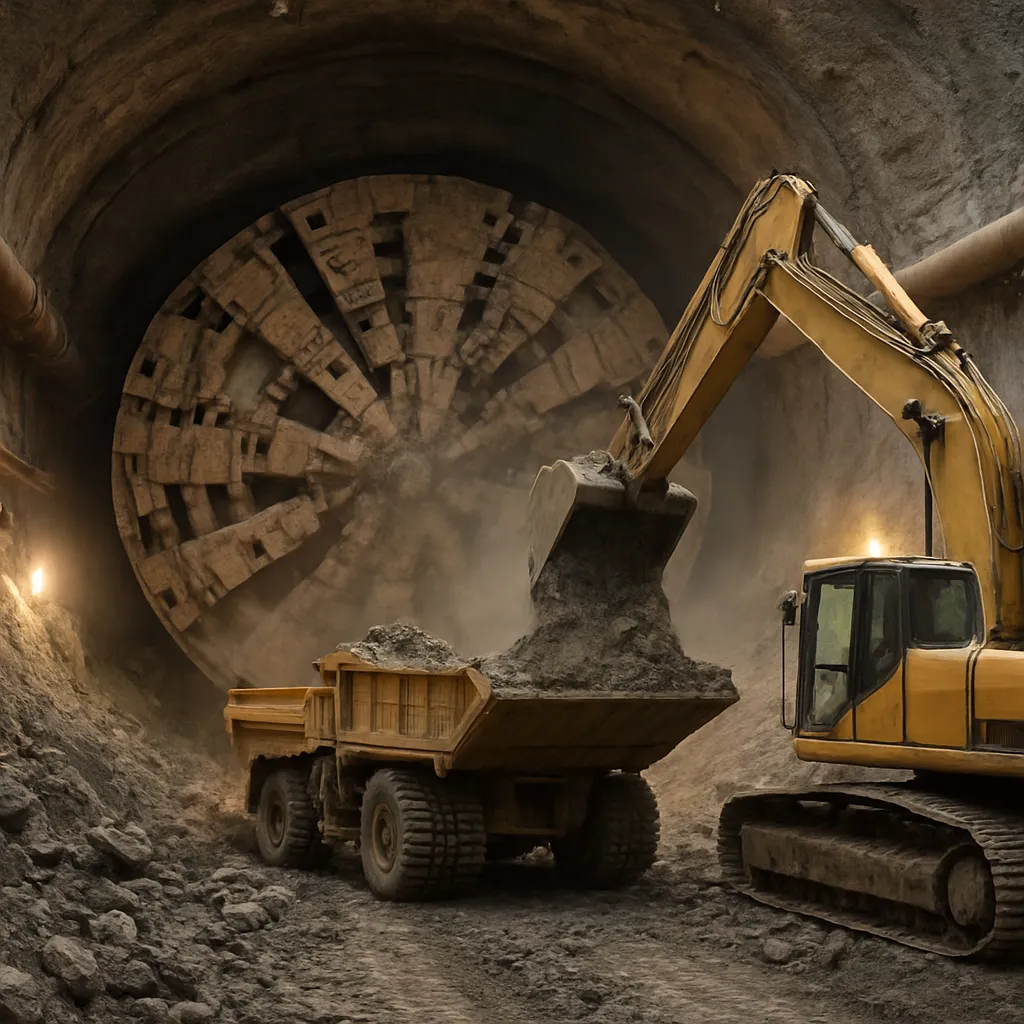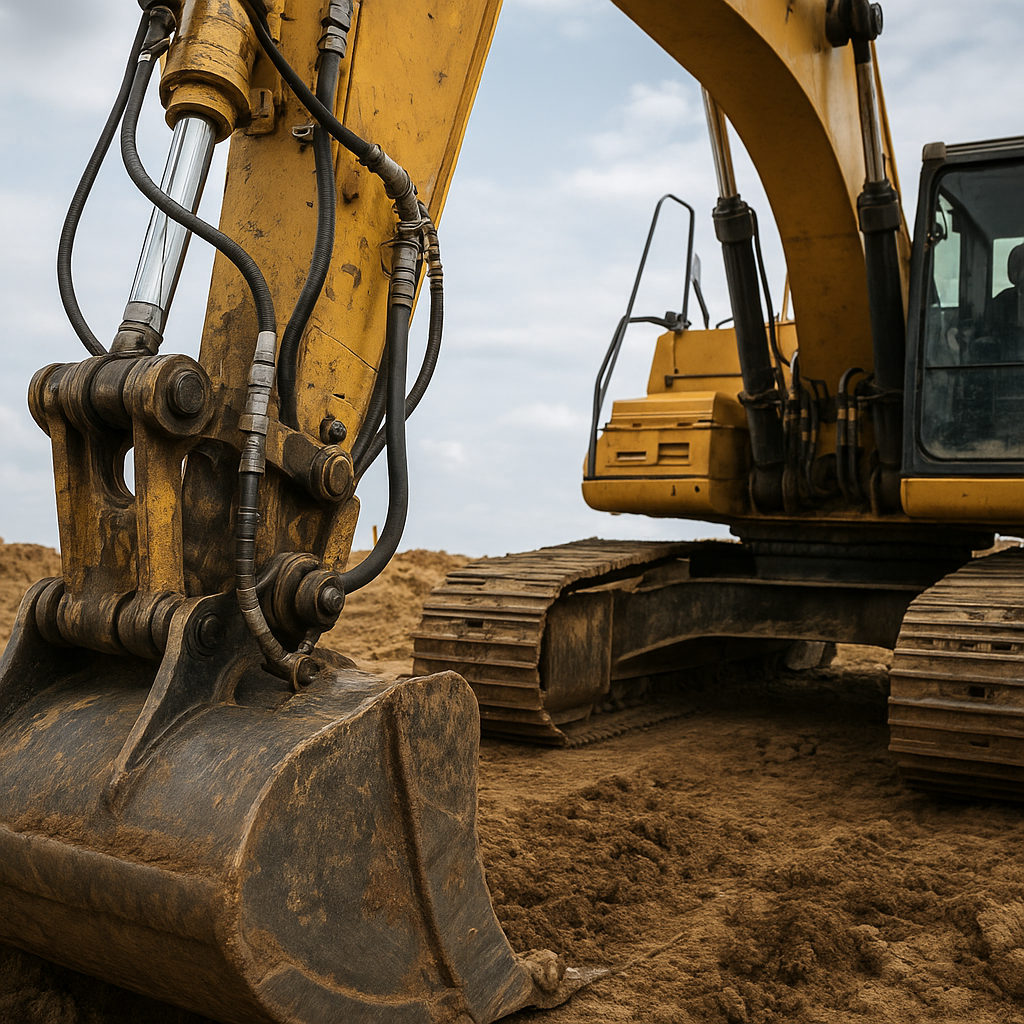
Heavy machinery transforms vast landscapes, demolishes concrete barriers, and moves tons of earth with unwavering precision. Behind these astonishing feats lies an intricate network of systems that harness the power of fluid under high pressure. Exploring the hidden mechanics of hydraulic equipment reveals the interplay of engineering, physics, and ingenuity that keeps industries moving forward.
Understanding Hydraulic Systems
At the core of many heavy machines is the principle of hydraulics, which exploits the incompressibility of fluid to transmit force. By directing oil or specially formulated fluid through hoses and valves, a small input force can be magnified into an enormous output force capable of lifting, pushing, or rotating massive loads. Key elements include pressure generation, fluid control, and energy conversion.
How Pressure Amplifies Force
- Pascal’s Principle: A foundation of hydraulic theory, stating that pressure applied to a confined fluid is transmitted equally in all directions.
- Force Multiplier: A compact hydraulic cylinder with a small piston can generate high pressure that acts on a larger piston, multiplying the applied force.
- Variable Displacement: Modern pumps adjust their output volume to vary pressure and flow, optimizing performance under different load conditions.
Real-time sensors monitor fluid pressure to prevent spikes that could damage components. Control systems use feedback loops to maintain consistent output, even when work demands change rapidly. This dynamic adaptability maximizes efficiency, reducing fuel consumption and wear.
Key Components of Heavy Equipment
Heavy machines integrate dozens of subsystems, all working in harmony. While the hydraulic circuit is the star performer, supporting elements are equally crucial. Proper coordination between pumps, valves, actuators, and control units ensures smooth operation under extreme conditions.
Pumps and Hydraulic Motors
- Pumps: Select from gear, vane, or piston types to match desired flow rate and pressure range. High-end models achieve volumetric efficiencies above 95%.
- Hydraulic motors: Convert fluid energy back into mechanical rotation. Applications include track drives on excavators or swing circuits on cranes.
Cylinders and Actuators
- Construction: Chromed rods, precision-ground barrels, and robust seals resist contamination and minimize leakage.
- Performance: Stroke length, bore size, and mounting style dictate the power and reach of booms, buckets, and blades.
Electronic control units modulate spool valves to direct flow with millisecond response times. Software algorithms implement features like load-sensing, which adjusts pump output automatically based on the actual load, conserving energy and reducing heat generation.
Applications in Construction and Mining
From quarry floors to high-rise building sites, hydraulic systems enable tasks that would be impossible with purely mechanical or electrical solutions. Their compact power density, precise control, and resilience in harsh environments make them ideal for heavy-duty applications.
Excavation and Earthmoving
- Backhoe Loaders: Combine a front loader and rear excavator on one chassis, relying on hydraulics to switch tools seamlessly.
- Bulldozers: Use powerful hydraulic rams to raise and lower blades, pushing thousands of cubic meters of soil in a single pass.
Material Handling and Logistics
- Forklifts: Compact hydraulic circuits ensure rapid lifting speeds and smooth positioning under variable loads.
- Cranes and Aerial Platforms: Multi-stage booms extend hydraulically, offering precise placement even at great heights.
In mining operations, hydraulic drills and rock breakers smash through tough rock layers. Continuous miners and shuttle cars equipped with robust hydraulic motors keep the production line flowing. The ability to throttle torque, regulate flow, and absorb shocks makes these systems indispensable for safety and productivity.
Maintenance and Safety Practices
Routine inspections and timely maintenance preserve the lifespan of hydraulic equipment. Neglect can lead to catastrophic failures, environmental hazards, and costly downtime. Adhering to best practices ensures operational reliability and protects both personnel and assets.
Fluid Management
- Contamination Control: Even microscopic particles can scour pump surfaces and clog valves, reducing performance. Filtration with target micron ratings is critical.
- Fluid Selection: Choosing the correct viscosity and additive package prevents oxidation, foaming, and seal degradation under high-temperature or low-temperature extremes.
Component Inspection
- Hoses and Fittings: Look for signs of abrasion, bulges, or leaks. Replace aging hoses before cracks appear.
- Seals and O-Rings: Regularly check for wear and hardness. A minimal leak before it becomes a flood can save thousands in repair costs.
- Heat Exchangers: Keep coolers free of debris to maintain optimal fluid temperature and efficiency.
Safety protocols mandate lockout-tagout procedures, pressure release sequences, and personal protective equipment when servicing hydraulic circuits. Training operators to recognize early warning signs—unusual noises, drifting implements, or slow response—can prevent minor issues from escalating into major incidents.
Innovations Shaping the Future
Advances in materials science, electronics, and fluid dynamics continue to refine hydraulic power. Emerging trends promise even greater efficiency, reduced environmental impact, and smarter control systems that integrate seamlessly with the Internet of Things (IoT).
Electro-Hydraulic Hybrid Systems
- Combining electric drives with hydraulic actuators to recuperate energy during braking or lowering heavy loads, storing it in batteries or supercapacitors.
- Precision control through electronic valves allows for distributed power management, balancing load demands across multiple machine functions.
Self-Diagnosing and Predictive Maintenance
- Embedded sensors track fluid temperature, vibration, and contamination levels in real time.
- Machine learning algorithms predict failures based on historical data, prompting maintenance actions before breakdowns occur.
As industries demand higher uptime and greener operations, hydraulic power remains a cornerstone of heavy equipment performance. Understanding its secrets unlocks new levels of productivity, safety, and sustainable growth across construction, mining, agriculture, and beyond.