Industrial workspaces are evolving rapidly as traditional machinery converges with cutting-edge technologies that enhance performance, safety, and productivity. From heavy-duty presses to conveyor systems, modern industrial machines are empowered by a combination of sensors, IoT connectivity, and advanced analytics. This synergy not only optimizes operations but also reshapes the very nature of manufacturing, maintenance, and resource management on the factory floor.
Integration of Sensors in Industrial Environments
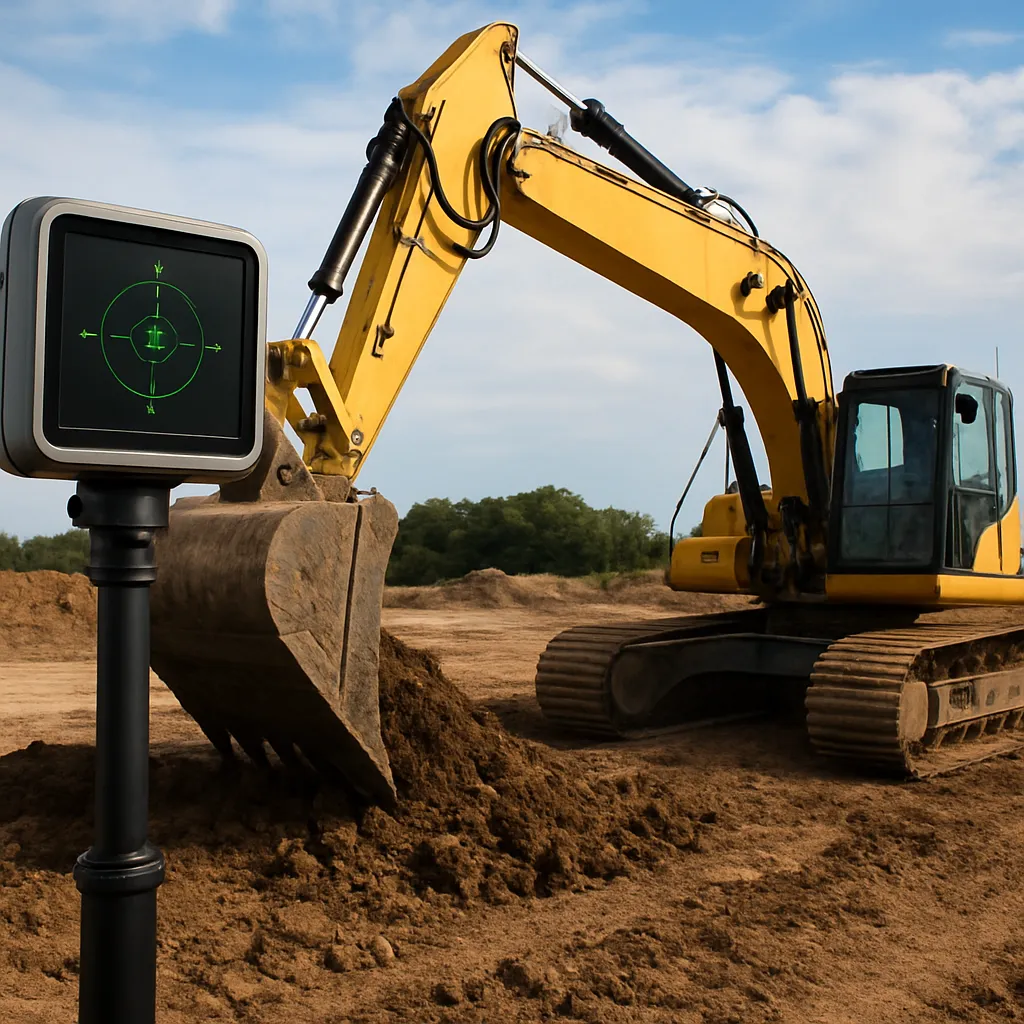
At the heart of every smart machine lies an array of sensors that capture critical parameters such as temperature, pressure, vibration, and flow rate. These devices act as the sensory organs of modern equipment, providing a continuous stream of data to central systems. By embedding robust sensor networks into hydraulic presses, CNC machines, or industrial ovens, manufacturers can achieve:
- Accurate real-time monitoring of operational conditions
- Early detection of anomalies through trend analysis
- Enhanced safety by triggering alerts when parameters exceed safe thresholds
- Quality control improvements by ensuring process variables remain within tight tolerances
For example, in a steel rolling mill, vibration sensors mounted on the gearbox can detect irregularities in bearing movements long before a catastrophic failure occurs. This early warning mechanism prevents costly downtime and safeguards worker safety.
Empowering Machines with IoT and Connectivity
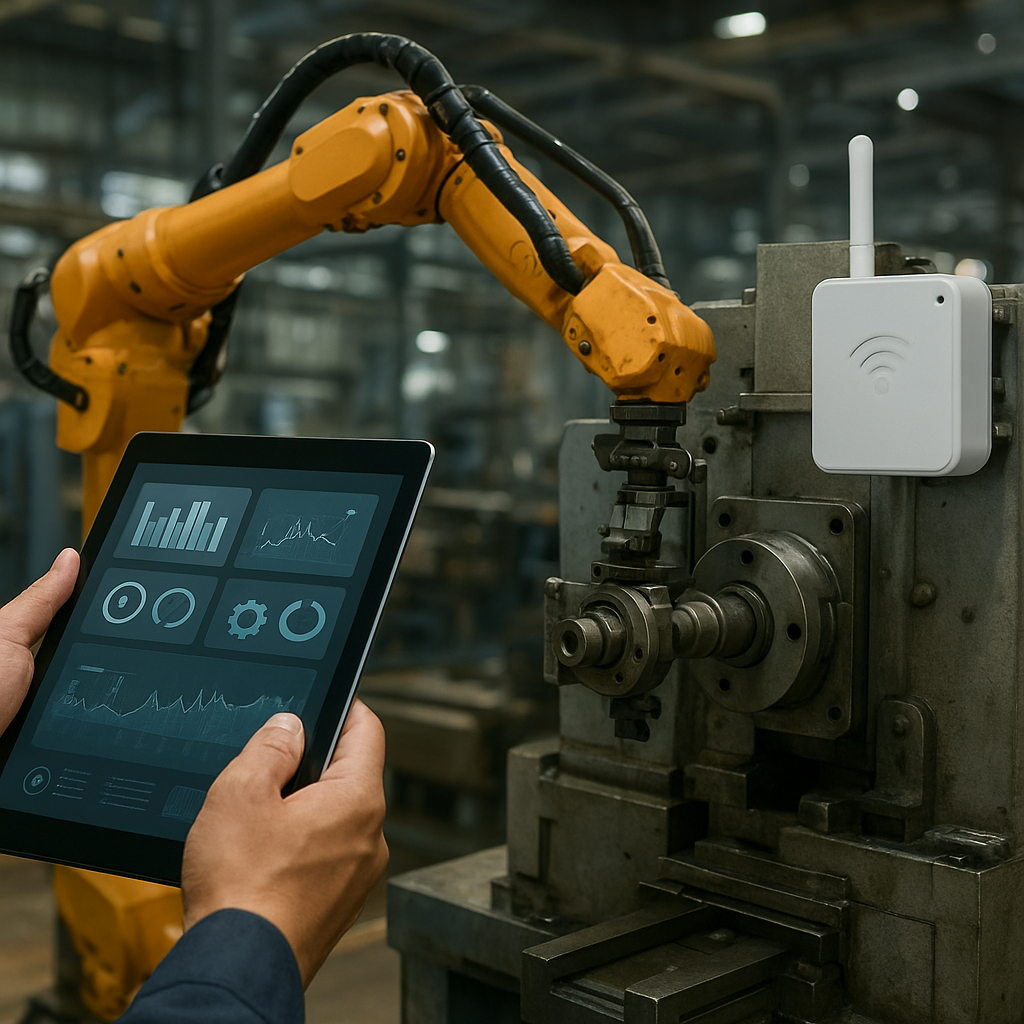
The proliferation of the IoT has transformed static machines into dynamic, interconnected elements of a wider industrial ecosystem. By equipping equipment with network interfaces—wireless, Ethernet, or 5G—manufacturers unlock seamless connectivity across the shop floor. Key benefits include:
- Centralized dashboards that display real-time data from plant-wide assets
- Remote access and control, enabling technicians to adjust parameters without physical presence
- Automated workflows that integrate machine outputs with enterprise resource planning (ERP) systems
- Scalable architecture that supports thousands of nodes without significant infrastructure overhaul
In automotive assembly lines, robots equipped with IoT modules communicate their status and task completion times to a central control system. This synchronized choreography ensures that each subsequent station receives parts precisely when needed, minimizing idle time and maximizing throughput.
Advanced Analytics and Predictive Maintenance
Data Collection and Monitoring
Modern industrial installations generate vast volumes of information every second. Aggregating this influx of data requires sophisticated platforms capable of ingesting, storing, and pre-processing gigabytes of sensor readings. Cloud-based solutions often complement on-premises servers to deliver high availability and real-time data visualization.
Machine Learning Applications
Once data is centralized, machine learning algorithms analyze historical patterns and identify subtle deviations that humans might miss. This capability underpins predictive maintenance, which shifts maintenance strategies from reactive or scheduled interventions to condition-based actions. By predicting component wear or lubrication needs, plants avoid unplanned shutdowns and reduce spare-part inventories.
- Identifying bearing degradation through spectral analysis of vibration data
- Forecasting motor failures by correlating temperature spikes with electrical load patterns
- Optimizing lubrication cycles based on real-time friction measurements
Adopting predictive maintenance not only cuts costs but also extends the lifecycle of valuable machinery, creating a more sustainable production environment.
Robotics and Automation Synergies
The integration of advanced robotics and automation with IoT and sensor technologies has redefined the capabilities of industrial machines. Collaborative robots (cobots) work alongside human operators, adapting their motion in response to sensor feedback. For instance:
- Force sensors enable cobots to handle delicate components without damaging them
- Vision systems guide autonomous guided vehicles (AGVs) through complex warehouse layouts
- Proximity sensors halt robotic arms instantly when a human intrudes into a restricted zone
These advanced features boost both efficiency and safety. Production lines become more flexible, easily reconfigurable to accommodate product variants without extensive reprogramming or mechanical adjustments.
Optimization of Energy Use
Energy management is a growing concern as industries seek to reduce operational costs and carbon footprints. Intelligent energy meters, combined with environmental sensors, monitor power consumption at the machine level. When IoT platforms detect periods of low demand, they can:
- Throttle equipment speed to save energy
- Switch noncritical systems to standby mode
- Automatically schedule high-energy tasks during off-peak hours
By applying smart controls, factories can significantly lower electricity bills and contribute to global sustainability goals.
Challenges and Future Outlook
Despite the tremendous potential, deploying sensor-driven IoT solutions in industrial settings poses challenges:
- Ensuring cybersecurity across interconnected assets
- Integrating legacy machines that lack native connectivity
- Managing data volume and ensuring low-latency responses
- Providing workforce training to leverage new digital tools
Looking forward, emerging trends such as edge computing, digital twins, and 6G networks will further enhance machine intelligence. Real-time analytics performed at the edge will reduce dependency on cloud infrastructure, while digital twins create virtual replicas of physical assets for simulation and optimization. As these innovations mature, the next generation of industrial machines will achieve unprecedented levels of efficiency, optimization, and operational resilience.