Hidden beneath bustling metropolises and rugged landscapes, tunnel boring machines stand as titans of modern engineering. These colossal devices reshape the Earth’s crust with remarkable precision and efficiency, carving roads, subways, and utilities through solid rock and clay. From the first concept of mechanized tunneling to the latest robotic giants, the evolution of these machines embodies human innovation at its peak.
Colossal Giants Beneath the Surface
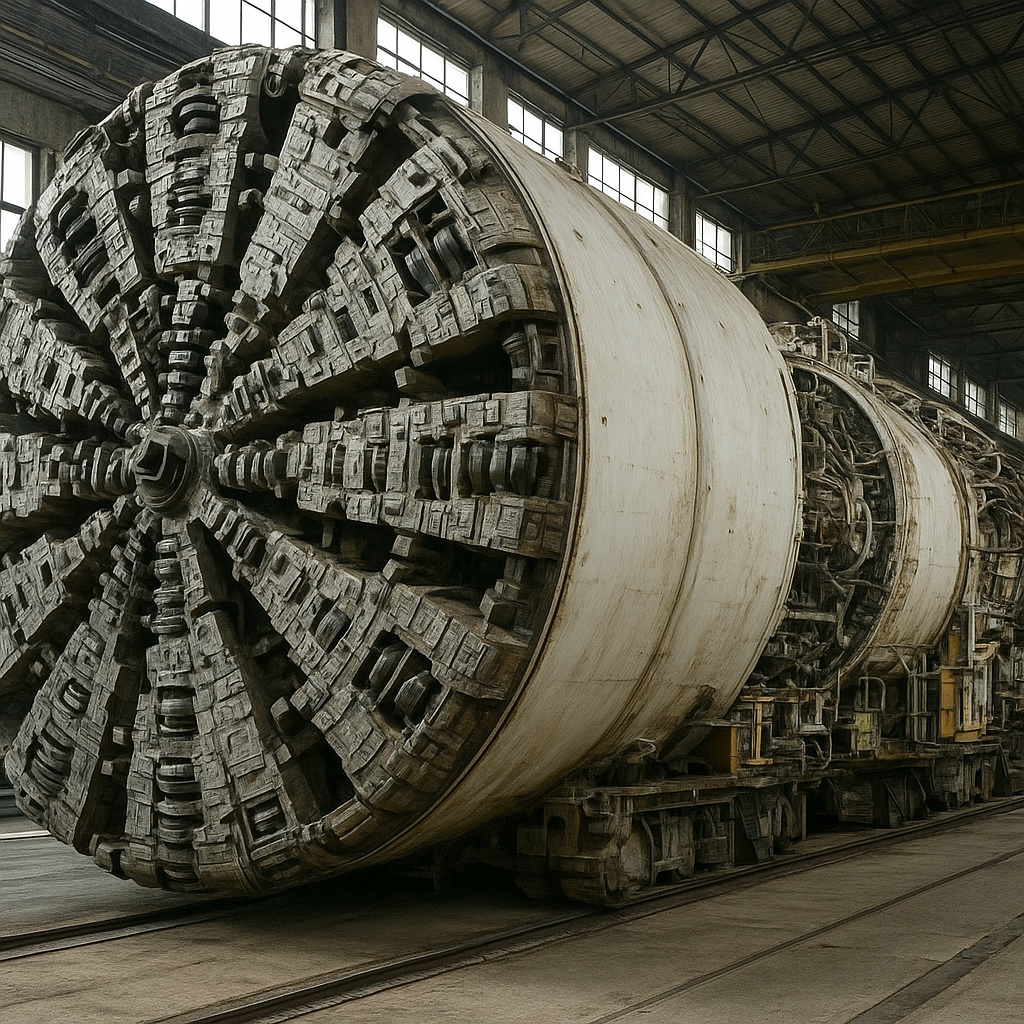
The earliest tunnel boring machines date back to the mid-19th century, yet today’s models dwarf those pioneers in size and capability. Modern TBMs reach diameters of over 15 meters and lengths exceeding 150 meters, equipped with rotating cutterheads, conveyor belts, and hydraulic arms that remove debris in real time. Their powerhouses can exert millions of Newton-meters, slashing through granite and shale with unwavering force.
Key features of these giants include:
- Excavation shields that maintain ground stability and prevent cave-ins.
- Segment erectors to install precast concrete liners immediately after cutting.
- Advanced instrumentation for monitoring torque, thrust, and surrounding pressure.
- Integrated slurry systems for handling water-logged soil and delivering high-pressure cleaners.
Each segment of the machine works in harmony to ensure continuous operation. Sensors relay real-time data on wear and blockage, allowing technicians above to fine-tune performance and reduce downtime. The synergy of these components enables excavations to progress at rates reaching 40 meters per day in favorable conditions.
Precision and Power: Key Technologies
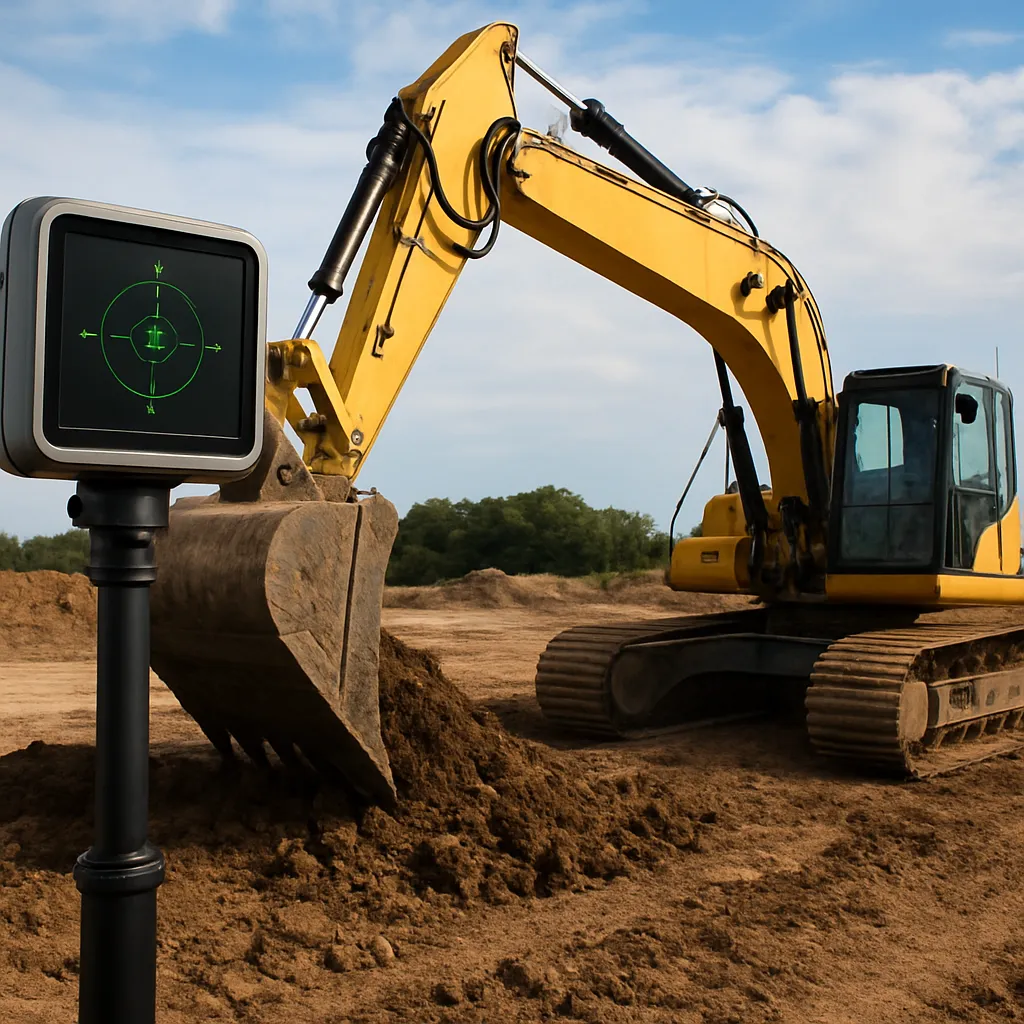
Behind the raw might of TBMs lies a suite of sophisticated systems designed for tunneling excellence. State-of-the-art laser guidance aligns the cutterhead with the planned trajectory, while GPS-linked bore tracking ensures deviations remain within millimeters. Pressure controls adapt to changes in soil composition, maintaining a steady face pressure that balances excavation and support.
Cutting and Transport Mechanisms
- Cutterhead Discs: Made from tungsten carbide and wear-resistant alloys, these discs break rock into manageable fragments.
- Hydraulic Cylinders: Provide the necessary thrust—often exceeding several thousand tons—to push the cutterhead forward.
- Conveyor Belts and Muck Cars: Rapidly remove spoil, minimizing interruptions and allowing continuous shield advancement.
Remote Monitoring and Automation
Digital twins and AI-driven algorithms forecast maintenance needs, predict wear patterns, and optimize cutterhead rotation speeds. Remote control cabins let engineers adjust settings from a safe distance, while 3D imaging offers a detailed view of the tunnel face. These innovations reduce human exposure to hazardous conditions and elevate both resilience and productivity.
Landmark Projects and Global Impact
Across continents, TBMs have carved tunnels for highways, railways, water conveyance, and power systems. Some of the most renowned projects include:
- Gotthard Base Tunnel (Switzerland): At 57 kilometers, this is the world’s longest railway tunnel, bored mainly through crystalline rock using multiple TBMs working in parallel.
- Channel Tunnel (United Kingdom & France): Connecting two nations beneath the English Channel, TBMs bored through chalk marl and delivered stable service since 1994.
- Seikan Tunnel (Japan): The longest undersea tunnel, where pressurized TBMs tackled tough geology and severe water pressure.
- SMART Tunnel (Malaysia): A dual-purpose stormwater and road tunnel employing advanced slurry TBMs to handle high groundwater tables.
These projects illustrate how massive investments in infrastructure and technology pay off in improved connectivity, reduced travel times, and enhanced urban resilience. By tunneling deep, engineers minimize surface disturbance, preserve landscapes, and create new transit corridors under mountains, rivers, and cities.
Challenges and Future of TBMs
Despite their prowess, TBMs face significant challenges. Unexpected geology—such as fault zones or karst formations—can stall progress, requiring rapid redesigns of cutterheads and support systems. Water ingress and high-pressure aquifers pose safety risks, demanding complex sealing and dewatering strategies.
- Wear and Tear: Cutter discs and bearing systems undergo extreme stress, leading to frequent replacements and high maintenance costs.
- Logistical Hurdles: Transporting and assembling machines upwards of 3,000 tonnes in confined launch shafts requires meticulous planning and heavy-lifting equipment.
- Environmental Concerns: Vibration, noise, and disposal of spoil must comply with strict regulations to protect local ecosystems.
Looking ahead, the next generation of TBMs promises lighter, more modular designs and greater automation. Researchers explore robotic arms capable of self-adjustment, AI-driven route optimization, and hybrid electric-hydraulic drives to reduce carbon emissions. 3D printing of cutterhead components on-site could shorten lead times and allow rapid adaptation to geological surprises.
As the world seeks sustainable solutions for urban growth and climate resilience, tunnel boring machines will play a pivotal role in shaping the subterranean networks of tomorrow. Their blend of raw power and fine-tuned precision stands as testimony to human ingenuity, marking a new era in the art and science of machinery-driven excavation.