Building roads requires a symphony of powerful machines working in unison to achieve flawless results. From the initial earthmoving to the final compaction, each device plays a crucial role in creating highways, city streets, and rural lanes that stand the test of time.
Powerful Pavers Laying the Foundation
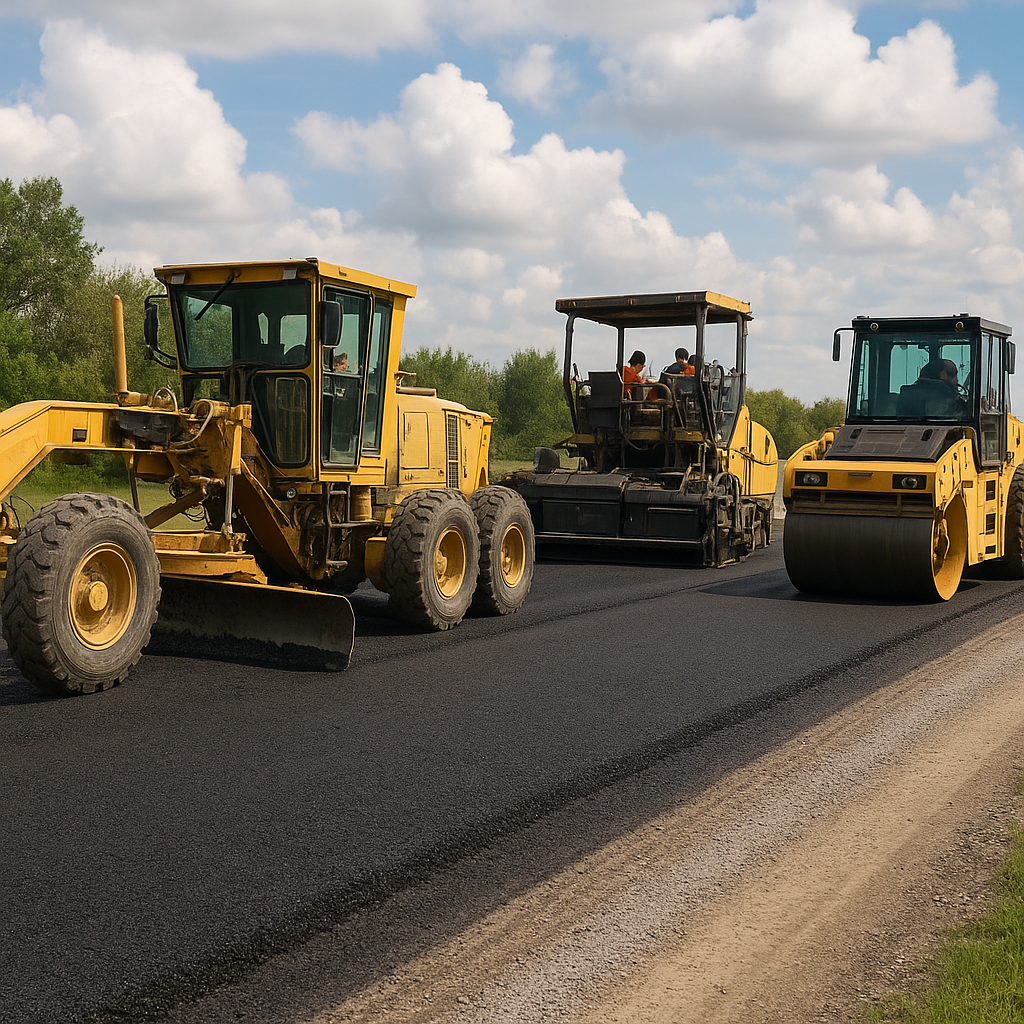
The heart of any road construction project is the asphalt paver. These remarkable machines are responsible for evenly distributing and partially compacting hot asphalt mixtures onto prepared surfaces. Modern pavers combine high output conveyors, precision leveling sensors, and heated screeds to ensure an even layer thickness across widths that can exceed 12 meters in one pass.
- Segmentation: Multi-module screeds adjust to various widths, reducing the number of passes.
- Heating: Electric or oil-heated screeds maintain optimal temperature for uniform compaction.
- Automation: Laser-guided leveling and slope control guarantee precision within millimeter tolerances.
Advanced pavers can integrate with GPS systems to follow complex alignment plans. The result is a seamless, consistent surface ready for final compaction. Proper calibration and skilled operators are essential to maximize the machine’s potential and to ensure durability over years of heavy traffic.
Heavy Duty Rollers Ensuring Smooth Surfaces
After paving, achieving a dense, flat surface falls to the roller fleet. Rollers come in several types—steel drum, pneumatic tire, and combination. Each variety offers distinct advantages in compaction dynamics.
- Steel Drum Rollers use static or vibratory drums to exert high contact pressure, ideal for granular bases and asphalt layers.
- Pneumatic Tire Rollers employ multiple rubber tires to knead materials, sealing air voids and improving structural integrity.
- Combination Rollers switch between drums and tires, providing versatility on heterogeneous layers.
Modern rollers feature adjustable frequency and amplitude settings, enabling fine-tuning of compaction forces. Integrated compaction meters display real-time data on density and moisture content, so crews can verify that safety and performance standards are met before opening lanes to traffic.
Versatile Excavators and Graders in Action
Before paving and compaction, the groundwork demands exceptional efficiency and versatility. Excavators and motor graders shape the earth, construct drainage ditches, and set precise road profiles.
Excavators: The Earthmoving Powerhouse
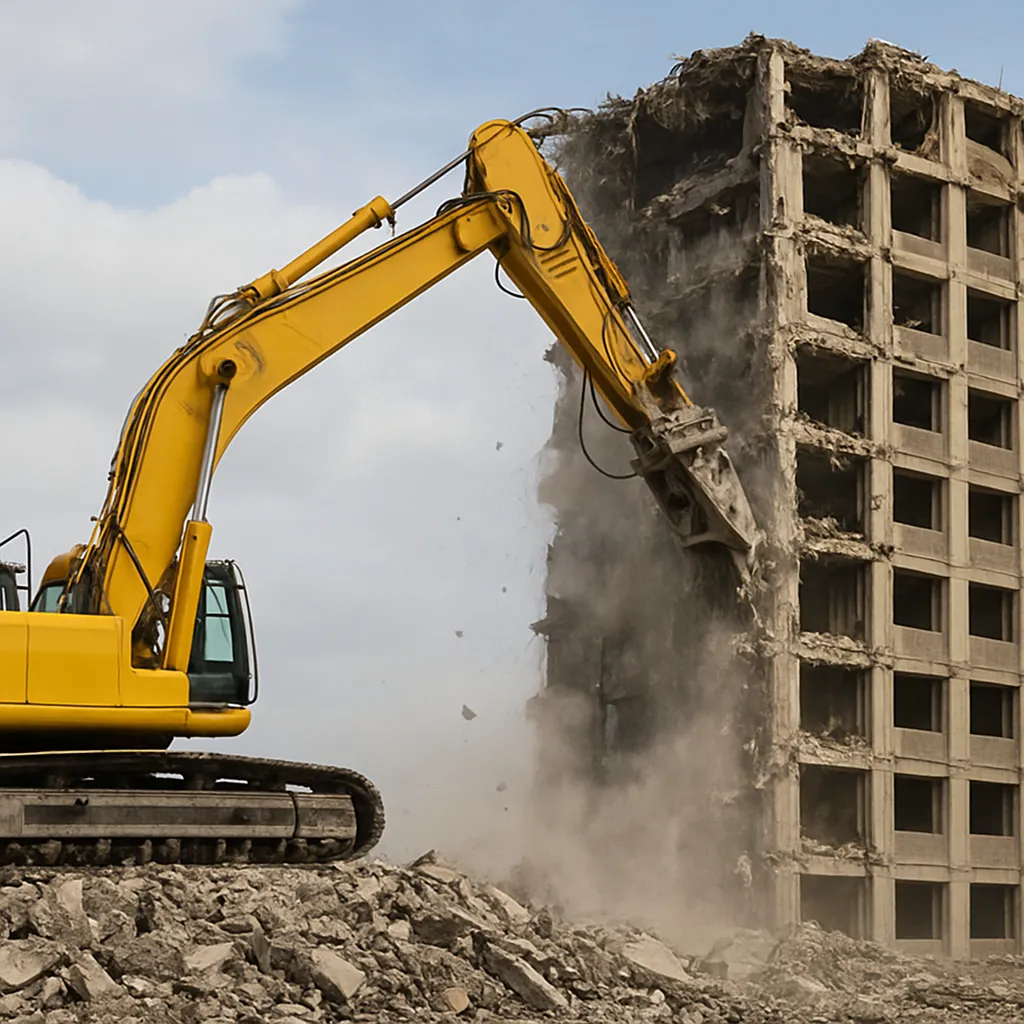
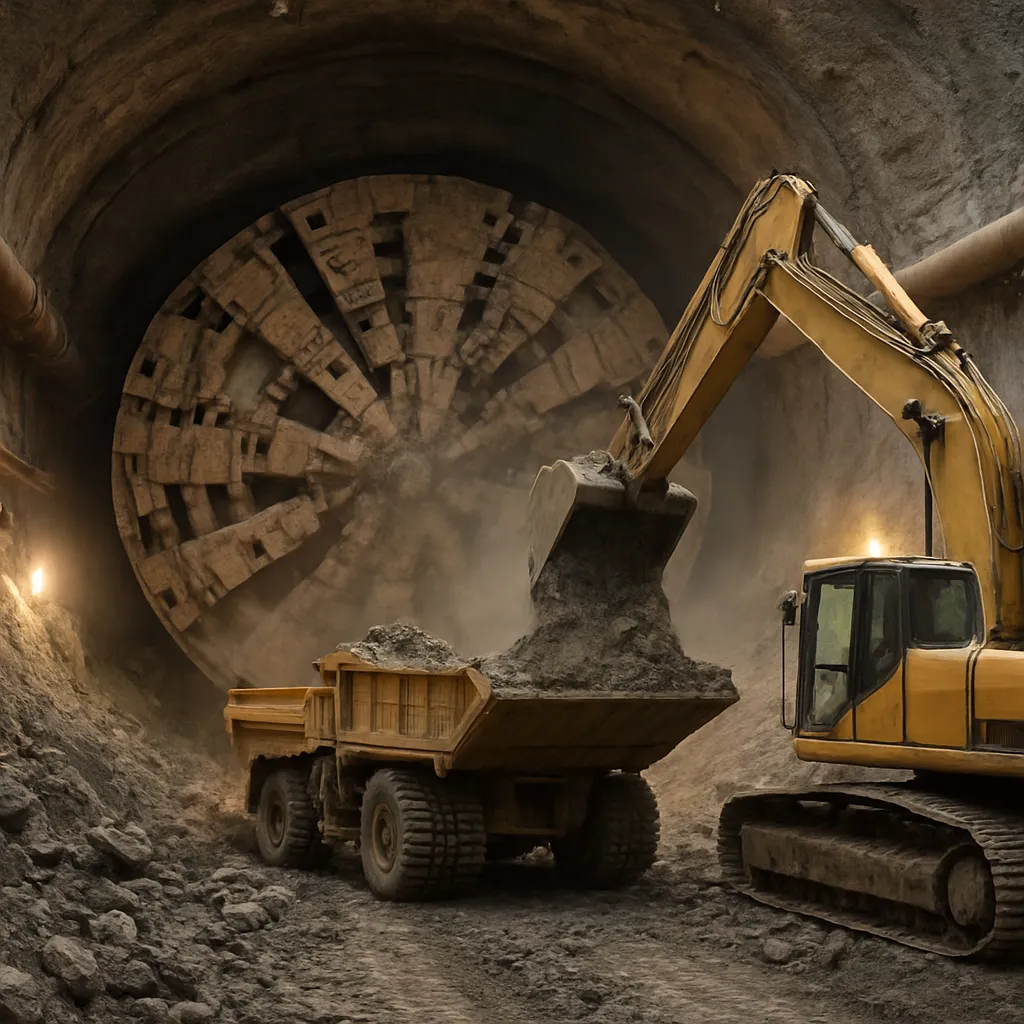
Large hydraulic excavators with buckets ranging from 1 to over 10 cubic meters remove soil, rock, and old pavement. They are the go-to choice for trenching, backfilling, and site clearing. Key features include:
- High-torque hydraulic motors for heavy digging.
- Extendable booms that reach over obstacles and slopes.
- Quick-coupler attachments for breakers, thumbs, and grapples.
Smaller zero-tail-swing models excel in tight urban environments, while long-reach excavators tackle deep reservoirs and bridge foundations. Onboard telematics monitor fuel usage and hydraulic pressure, alerting operators to preventive maintenance needs.
Motor Graders: Precision Grading and Finishing
Grading machines perform the meticulous task of creating the subgrade and base layers at exact profiles. Their moldboard blades rotate through 360°, tilting and angling to shape slopes and crossfalls. Advanced graders incorporate:
- GPS and laser guidance for automated blade control.
- Articulated frames that enhance maneuverability.
- Cab sensors that measure grade, pitch, and roll in real time.
By automating blade movements, modern graders eliminate manual errors and speed up large earthwork tasks. The result is a uniformly smooth surface that maximizes pavement life and reduces water pooling.
Innovations Driving Efficiency and Safety
Road construction machinery has evolved dramatically thanks to technological breakthroughs and growing emphasis on sustainability. The latest trends include:
- Autonomous Operation: Self-driving rollers and pavers reduce labor costs and minimize human error. Integrated cameras and LiDAR sensors detect obstacles and maintain optimal paths.
- Electric and Hybrid Powertrains: Zero-emission rollers and excavators cut fuel consumption and noise pollution on urban projects, promoting greener construction sites.
- Telematics and IoT: Cloud-based platforms collect data on machine health, utilization, and operator performance, enabling predictive maintenance and resource optimization.
- Recycled Materials: Cold recycling machines mill old asphalt and mix it with binders to produce new paving layers, reducing landfill waste and lowering raw resource consumption.
Safety features have also advanced. Modern cabs boast 360-degree cameras, blind-spot detection, and automated emergency braking. Operators work in ergonomic environments with climate control, vibration-dampening seats, and intuitive touchscreen displays. These improvements reduce fatigue and on-site accidents, safeguarding both human lives and capital equipment.
Tomorrow’s Roadwork: Smarter, Faster, Cleaner
The future of road construction points toward greater automation and connectivity. Fleet managers will coordinate mixed-machine operations from centralized command centers, using AI to optimize schedules and material deliveries. Wearable devices will track operator health and alert supervisors to signs of strain.
On the horizon are machines capable of self-diagnosis and remote repair guidance, further boosting uptime. Drone surveys will feed real-time topographic data into BIM (Building Information Modeling) systems, ensuring that each layer of a roadway matches design specifications precisely. This convergence of technology promises to deliver roads with unprecedented quality, resilience, and cost-effectiveness—paving the way for infrastructure that supports growing populations and evolving transportation demands.