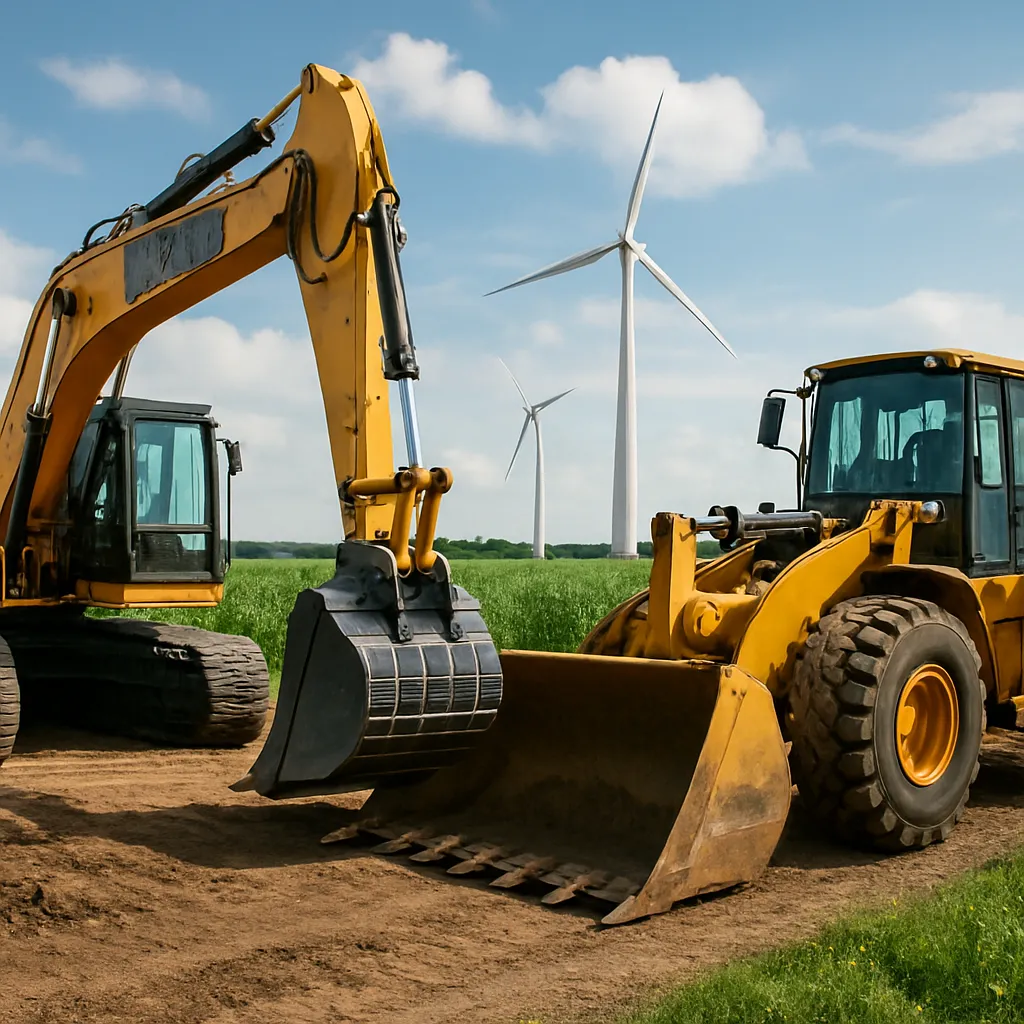
From the depths of open-pit mines to towering skycrapers, some machines stand out not only for their sheer size but also for their staggering price tags. These colossi of industry redefine the limits of what is possible in construction, mining, and infrastructure development. This article explores the world of the most expensive heavy machines ever built, examining their design, capabilities, and impact on projects across the globe.
Record-Breakers in the Mining World
Mining operations demand equipment that can handle extreme conditions and move colossal amounts of material. Over the years, manufacturers have competed to produce the largest, most powerful machines, often commanding prices in the tens of millions of dollars.
1. Ultra-Class Mining Trucks
- The BelAZ 75710 is known as the world’s largest haul truck. Capable of carrying 450 tonnes, it weighs roughly 810 tonnes when fully loaded. Its twin-engine design and immense size result in a price tag hovering around USD 5–7 million per unit.
- Komatsu’s 980E-4 model rivals the BelAZ, offering a payload capacity of 400 tonnes and advanced electric drive systems designed to enhance efficiency and reliability in harsh environments.
2. Giant Bucket-Wheel Excavators
- The Bagger 293, built by TAKRAF, is often cited as the largest land vehicle ever constructed. Standing over 100 meters tall and stretching 215 meters long, it can extract 240,000 cubic meters of overburden daily. Its estimated cost surpasses USD 100 million, making it a true engineering marvel.
- Bucket-wheel excavators are prized for continuous operation, effectively replacing multiple smaller machines and streamlining large-scale lignite and coal mining projects.
Engineering Marvels and Technological Innovations
Beyond size, the most expensive machines integrate cutting-edge technology to optimize performance and safety. Automation, advanced materials, and digital integration have reshaped the heavy equipment landscape.
1. Tunnel Boring Titans
- The Herrenknecht EPB TBM used for sewer and metro tunnels can exceed 8 meters in diameter. Complex internal systems monitor pressure, vibrations, and torque, ensuring precise tunneling through mixed geology. Costs for a single large TBM can reach USD 50–80 million.
- Modern TBMs employ GPS-like guidance systems and real-time data analytics, reducing deviation from planned alignment to mere centimeters over kilometers of boring.
2. Floating Crane Giants
- To install offshore oil platforms or massive bridge sections, heavy lift vessels like the Pioneering Spirit use twin-hull designs and synchronized winches to handle up to 48,000 tonnes. The construction costs for these vessels top USD 3 billion, reflecting their complexity and unmatched lifting capacity.
- These cranes rely on precision hydraulics and dynamic positioning systems to maintain stability amid rough seas, showcasing the pinnacle of marine engineering.
Economic Impact and Return on Investment
Investing in a giant piece of equipment is more than acquiring a vehicle; it’s a long-term commitment that affects project timelines, budgets, and sustainability goals.
1. Maximizing Productivity
- High upfront costs are often offset by significant gains in cycle times and reduced labor expenses. For example, a mega excavator might cost over USD 150 million, but its ability to move millions of cubic meters of material per year can slash project durations.
- Data-driven maintenance schedules enabled by IoT sensors help avoid costly unplanned downtime. Predictive algorithms can forecast component wear, scheduling service before failures occur.
2. Environmental Considerations
- Large machines consume enormous amounts of fuel and generate substantial emissions. Manufacturers are responding with hybrid powertrains, electric drives, and low-emission combustion systems, aiming to meet stringent regulatory standards for carbon footprint reduction.
- Some cutting-edge machines incorporate on-site energy recovery systems, transforming hydraulic pressure or heat into usable power, thus improving overall sustainability.
Future Trends and Emerging Developments
The next generation of heavy equipment will continue to push boundaries, driven by digital transformation and evolving industry demands.
1. Autonomous Operations
- Driverless haulage systems (DHS) are already operational in some large mines, using GPS, lidar, and AI to navigate without human intervention. Early adopters report 15–20% productivity gains and enhanced precision in material handling.
- Self-driving bulldozers and cranes are under development, promising safer worksites by minimizing human exposure to hazardous conditions.
2. Modular and Scalable Designs
- Modularity allows operators to adjust machine size and capacity based on project requirements, improving asset utilization. Swappable power units, booms, and undercarriages can reduce total acquisition costs over the machine’s life cycle.
- Scalable control architectures using open software platforms enable easier integration of new sensors, communication routers, and analytics tools, keeping machines current with technological advancements.
3. Additive Manufacturing in Heavy Parts
- Large-scale 3D printing for wear parts and custom components is gaining traction. Replacing cast steel sections with optimized lattice structures can reduce weight while maintaining structural integrity, cutting raw material costs and delivery times.
- This shift toward on-demand spare parts supply chains can drastically decrease lead times for critical components, averting long downtimes in remote projects.