Heavy machines dominate many industrial landscapes, transforming **construction** sites, **mining** pits, and dense **forestry** zones into hubs of relentless activity. Their sheer power and precision enable projects once deemed impossible, yet their operation carries substantial **risk**. Workers and engineers collaborate with these titans of industry, relying on rigorous **safety** protocols and cutting-edge technologies to minimize accidents. This article delves into the multifaceted world of machines at work, exploring the most perilous tasks they perform and the strategies devised to protect human lives.
Heavy Machinery in High-Risk Environments
Construction Sites and Structural Giants
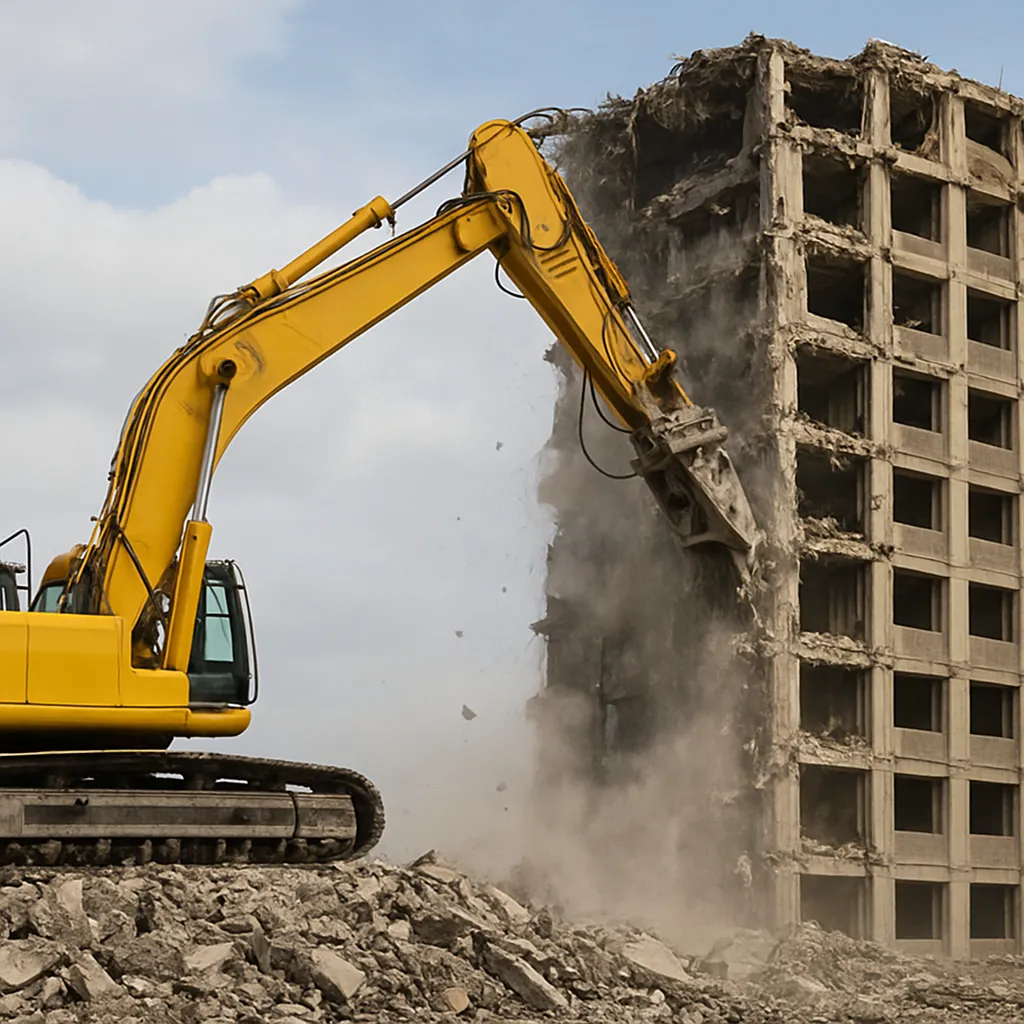
Towering cranes and colossal excavators shape urban skylines, lifting steel beams and excavating city foundations. Despite technological advancements, construction remains one of the most **hazardous** industries. Trenching operations, concrete pumping, and steel-girder assembly each pose unique threats:
- Collapse of unsupported trenches under earth pressure.
- Overhead loads detaching from crane hooks.
- Unstable scaffolding leading to falls from height.
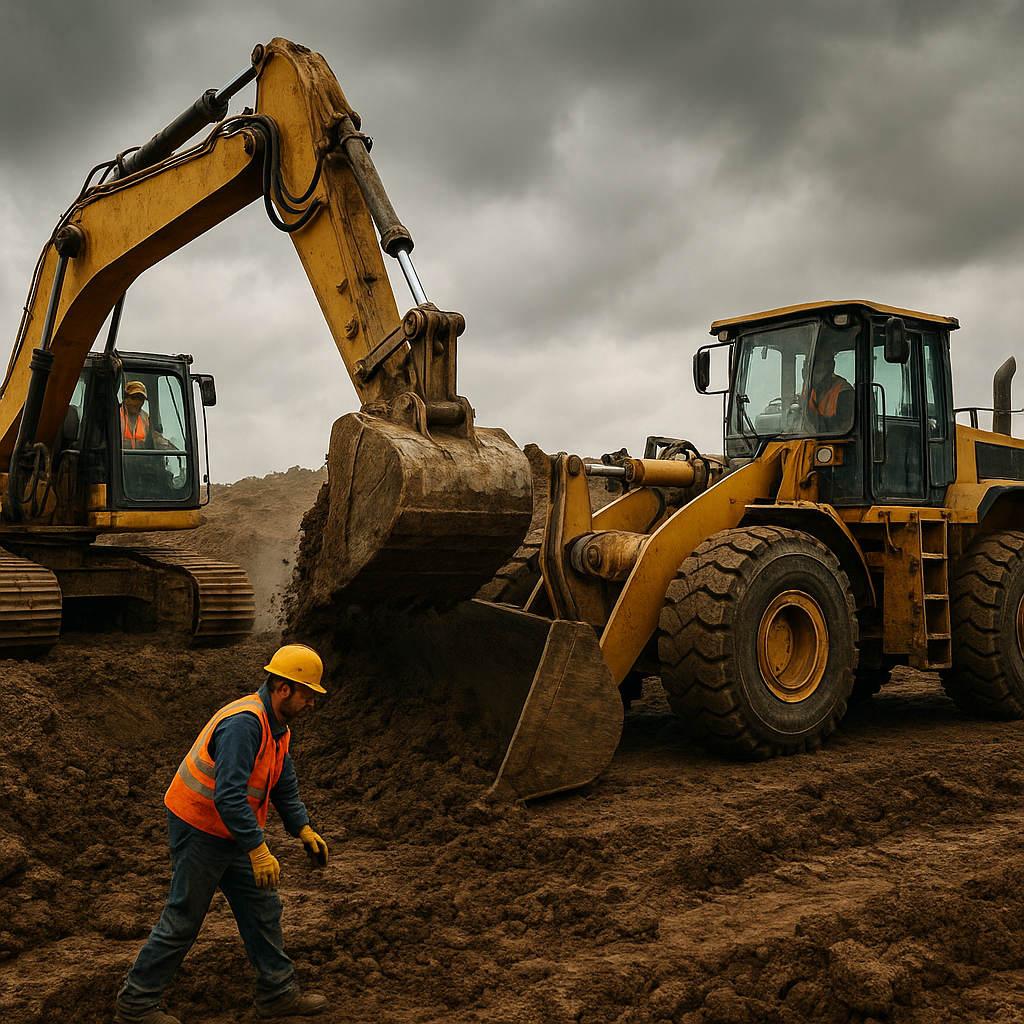
Operators must synchronize with ground crews through clear signaling systems, harnessing **automation** where possible to reduce manual intervention. Even a fraction-inch miscalculation can trigger catastrophic results when dealing with multi-ton loads.
Mining Operations Beneath the Surface
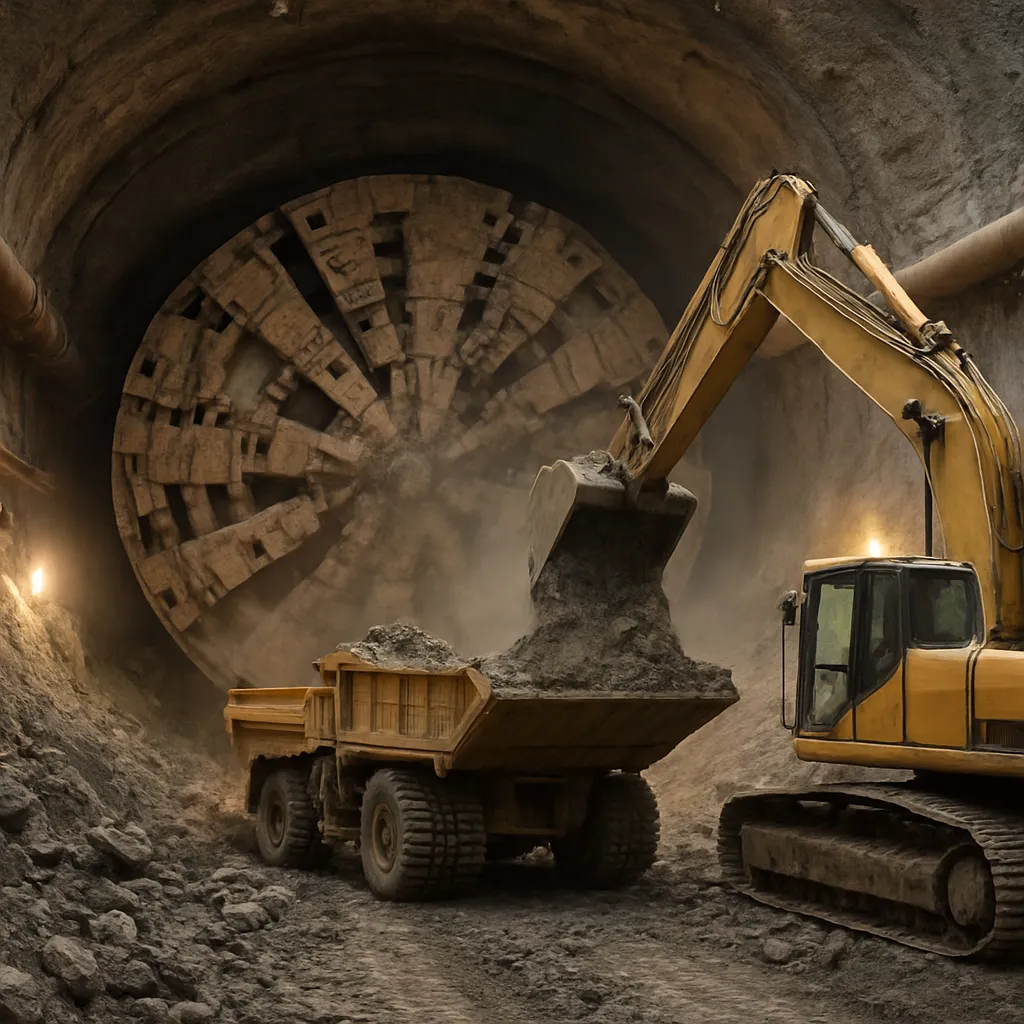
Deep below the earth’s crust, massive drills, continuous miners, and shuttle cars carve out valuable minerals. The subterranean realm intensifies **risk**, as geological shifts and confined spaces restrict escape routes:
- Rock bursts from sudden stress releases in surrounding strata.
- Equipment entanglement in narrow drifts.
- Accidental contact with high-voltage electrical systems.
Ventilation and gas monitoring systems are vital, alerting crews to dangerous levels of methane or carbon monoxide. Routine **maintenance** schedules minimize mechanical failures, yet the unpredictable nature of geology means vigilance remains paramount.
Forestry and Agricultural Giants
Harvesting timber with feller bunchers and forwarders, or plowing vast fields with powerful tractors, might seem routine. Yet these tasks involve significant hazards. Fallen trees can crush vehicles, while uneven terrain threatens to tip loaders:
- Rollovers on steep inclines when hauling heavy logs.
- Contact with rotating blades and chainsaws.
- Entanglement hazards in winches and hydraulic systems.
Strategic planning of skid trails and slope assessments reduces accident rates. Modern **operators** rely on onboard computers and GPS guidance to navigate complex terrains safely.
Common Hazards and Mechanical Threats
Mechanical Failures and Wear
Heavy equipment components endure immense stress. Hydraulic hoses can rupture under high pressure, and metal fatigue may cause structural elements to crack. Single-component failures can cascade into full machine breakdowns, creating **hazardous** debris fields:
- Hydraulic fluid leaks leading to fires when hot surfaces ignite oil mist.
- Brake failures on heavy haul trucks spawning uncontrolled rollaways.
- Engine malfunctions causing sudden power losses in critical maneuvers.
Implementing predictive maintenance—using sensors to monitor vibration, temperature, and pressure—allows early detection of anomalies. This proactive approach reduces unscheduled downtime and unexpected breakdowns that could endanger both the **operators** and nearby personnel.
Human Error and Operational Risks
No matter how **automation**-ready a machine becomes, human oversight remains crucial. Fatigue, inadequate training, or miscommunication can erode safety margins:
- Misinterpretation of hand signals between crane operator and spotter.
- Failure to secure load properly before hoisting.
- Bypassing lockout-tagout procedures during equipment servicing.
Standardizing training protocols and conducting regular drills fosters a culture of precision. Digital checklists and mandatory break schedules help mitigate errors born from exhaustion or complacency.
Environmental and External Factors
Weather and terrain add unpredictable layers of complexity. Rain, snow, and ice reduce traction; dust and fog impair visibility. Lightning strikes pose direct threats to tall structures and metal towers. Environmental factors include:
- Soil erosion undermining machine stability.
- High winds swinging suspended loads beyond control.
- Extreme temperatures affecting hydraulic fluid viscosity and metal brittleness.
On-site meteorological stations and real-time ground-penetration radar can inform operators of shifting risks, enabling timely adjustments to work plans.
Safety Innovations Driving Risk Reduction
Automation, Robotics, and Remote Control
Emerging technologies gradually displace humans from the most perilous positions. Remote-controlled excavators and robotic drilling rigs operate from secure command centers, reducing direct exposure to **hazardous** conditions. Key developments include:
- Autonomous haul trucks in mining environments, guided by GPS and lidar.
- Robot arms performing precision welding and beam placement at heights.
- Drones inspecting difficult-to-access components for cracks or corrosion.
While full autonomy remains a work in progress, semi-autonomous modes assist operators by automatically maintaining safe distances from obstacles and enforcing speed limits.
Wearable Technology and Personal Monitoring
Smart helmets, vests, and wristbands monitor vital signs, fatigue levels, and exposure to harmful gases. Should a worker’s heart rate spike or oxygen levels drop, the system issues an immediate alarm. This integration of biology and **technology** enhances response times during emergencies.
Predictive Maintenance and Digital Twins
Leveraging the Internet of Things (IoT), machines are now equipped with hundreds of sensors that feed data into digital twins—virtual replicas that model real-world behavior. Engineers simulate various scenarios, evaluating how components react under stress. This practice:
- Identifies potential failure points before they manifest on-site.
- Optimizes spare-parts inventory based on predicted wear patterns.
- Integrates AI-driven analytics for continuous improvement of **maintenance** schedules.
Enhancing Operator Expertise and Culture
Comprehensive Training and Certification
Beyond technical know-how, operators must master situational awareness and emergency protocols. Accredited courses combine simulator-based education with live-machine exercises, ensuring trainees experience realistic **risk** scenarios under controlled conditions.
Clear Communication and Emergency Procedures
Standardizing communication with color-coded flags, radio protocols, and visual signals aligns diverse teams. Every crew member must know the location of emergency shutoffs, first-aid kits, and designated safe zones. Regular safety drills cement these procedures into reflexive action.
Maintenance Best Practices
Routine inspections, strict lockout-tagout compliance, and thorough documentation underpin a robust safety culture. Maintenance logs should be readily accessible, enabling cross-team transparency. Well-maintained equipment not only lasts longer but also operates within established **safety** margins, safeguarding both people and projects.