Modern construction sites and industrial yards teem with powerful machines that reshape landscapes and erect towering structures. These mechanical giants, from excavators to cranes, demand rigorous attention to their safety features to safeguard lives and enhance operational efficiency. Emphasising robust design, advanced technology, and diligent maintenance, the industry continuously evolves to prevent mishaps and uphold the highest standards of workplace protection.
Evolution of Heavy Equipment Safety Features
The journey of heavy equipment safety spans over a century, marked by incremental breakthroughs and paradigm shifts. Early machines relied primarily on the skill and vigilance of operators, with limited protective measures. Over time, however, regulatory pressures and a growing understanding of accident causation spurred manufacturers to integrate structural and technological enhancements.
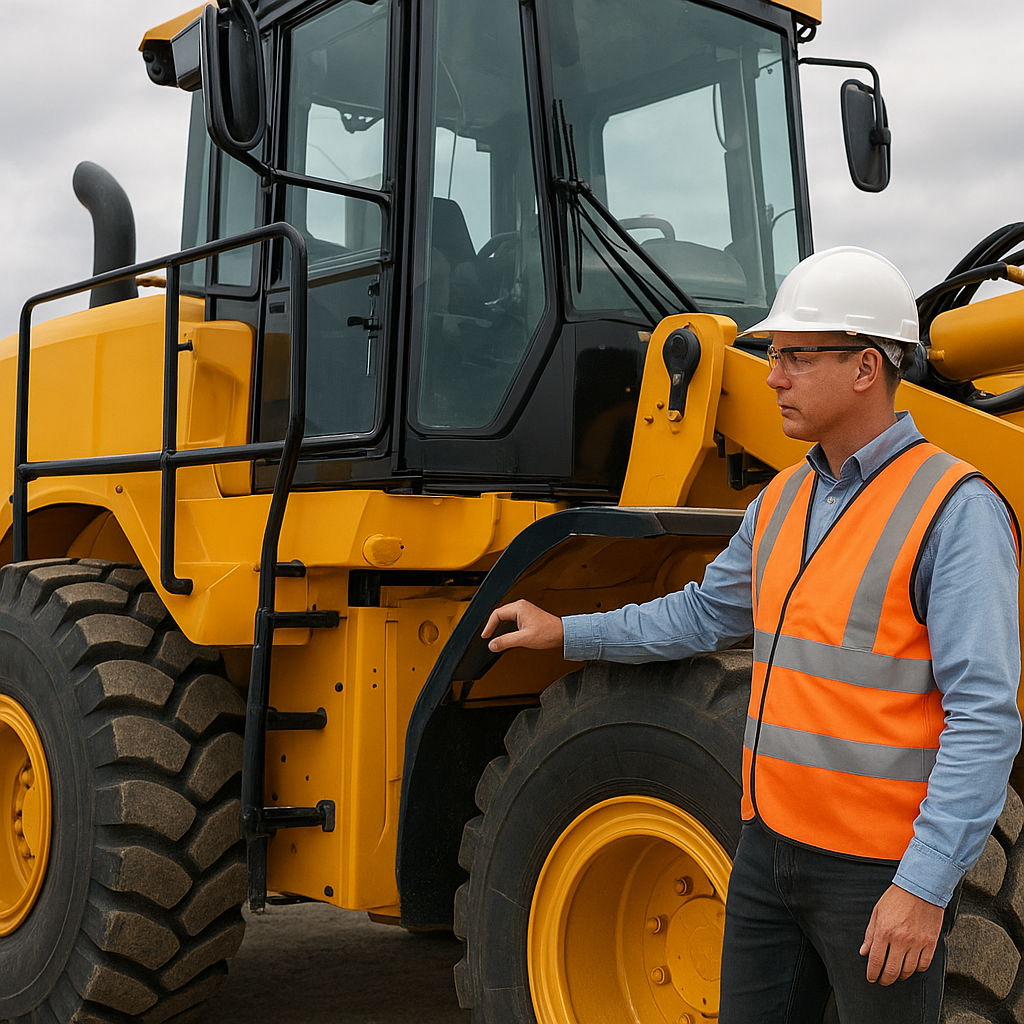
- Enclosed Cabins: Initially, drivers sat in open-air cabs, vulnerable to falls and flying debris. The introduction of reinforced, climate-controlled cabins significantly diminished operator risks.
- Roll-Over Protection Structures (ROPS): Tractors and bulldozers now often include ROPS framework to prevent crushing injuries during tipping events.
- Seat Belts and Restraints: Mandatory in many jurisdictions, these devices secure operators in place, reducing trauma during sudden machine movements.
- Visibility Aids: Mirrors, cameras, and sensors evolved to minimize blind spots, preventing collisions with workers or obstacles on bustling sites.
Each advancement reflects a commitment to learn from past incidents and harness innovations for safer operations.
Key Safety Innovations in Today’s Machinery
Modern heavy equipment boasts a suite of automated and smart technologies designed to preemptively detect hazards and inform operators in real time. These breakthroughs redefine traditional safety paradigms:
- Proximity Sensors and Alarms: Ultrasonic and radar-based sensors alert operators when personnel or objects enter hazardous zones around swinging booms or moving tracks.
- Automated Shutdown Systems: When a critical parameter—such as hydraulic pressure or temperature—deviates beyond safe limits, machines can automatically power down to avert catastrophic failure.
- Telematics and Remote Monitoring: Real-time data on engine health, fuel consumption, and operational patterns allow managers to schedule preventive maintenance before breakdowns occur.
- Operator Fatigue Detection: Integrated cameras and AI algorithms monitor facial expressions and eye movements, issuing warnings if signs of drowsiness are detected.
- Ergonomic Controls: Adjustable seats, joystick layouts, and vibration-damping systems reduce repetitive stress and long-term musculoskeletal injuries among operators.
These innovations weave together to form an ecosystem where machines not only perform heavy-duty tasks but also continuously safeguard their human counterparts.
Benefits of Safety Features for Workers and Operators
Investing in advanced safety components yields tangible returns across multiple dimensions. Beyond the moral imperative to protect lives, companies experience improvements in productivity and regulatory compliance:
- Reduced Accident Rates: Enhanced protection dramatically lowers incidents of roll-overs, collisions, and equipment failures, leading to fewer lost-time injuries.
- Increased Productivity: When operators feel secure, they can focus on job tasks rather than potential dangers, streamlining workflows and shortening project timelines.
- Lower Insurance Premiums: Statistical evidence of robust safety records allows firms to negotiate better coverage terms and reduced liability costs.
- Employee Morale and Retention: Workforces committed to safety demonstrate higher job satisfaction, leading to reduced turnover and greater skill retention.
- Environmental Stewardship: Advanced shutdown protocols and leak-detecting sensors also prevent spills or emissions, aligning heavy equipment use with sustainable practices.
By fostering a culture of safety, organizations cultivate trust with clients, insurers, and regulatory bodies, reinforcing their reputation as responsible industry leaders.
Implementation Strategies and Operator Training
Ensuring that safety features deliver maximum impact requires more than mere installation. Effective execution involves comprehensive strategies and ongoing education:
- Structured Onboarding Programs: New operators must receive in-depth training on both general site protocols and machine-specific safety systems, including hands-on simulations.
- Regular Refresher Courses: Technologies evolve rapidly; periodic workshops ensure personnel stay current with emerging tools like advanced sensors and telematics platforms.
- Maintenance Protocols: Standardised checklists guide technicians through routine inspections of brakes, hydraulics, and safety interlocks, preventing component degradation.
- Safety Drills and Emergency Response: Scenarios such as hydraulic leaks or cabin depressurisation should be practised regularly to ensure swift, coordinated action when real incidents occur.
- Feedback Mechanisms: Encouraging operators to report near-misses and suggest improvements fosters an open dialogue, leading to iterative enhancements in both equipment and procedures.
By coupling state-of-the-art machinery with robust training and maintenance regimes, organisations secure a resilient framework where technology and human expertise converge to elevate workplace safety to unparalleled levels.