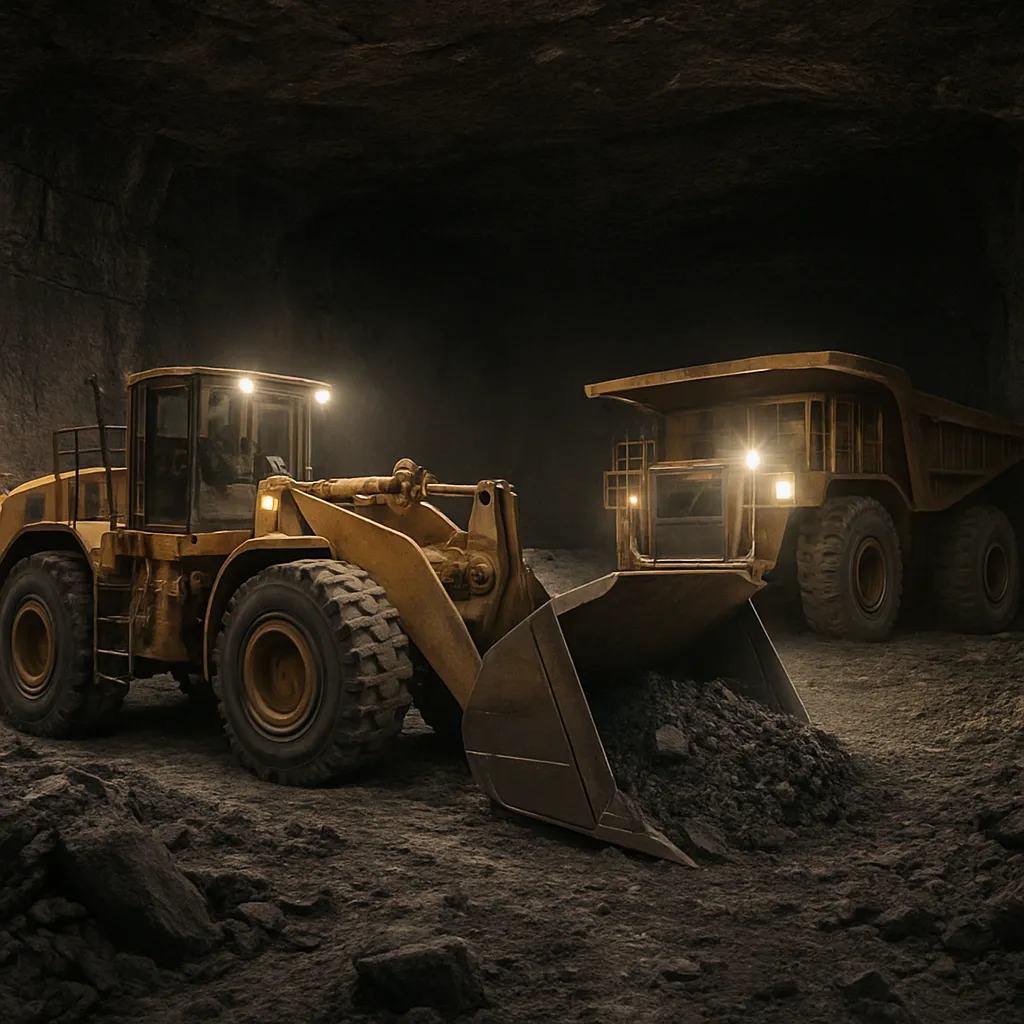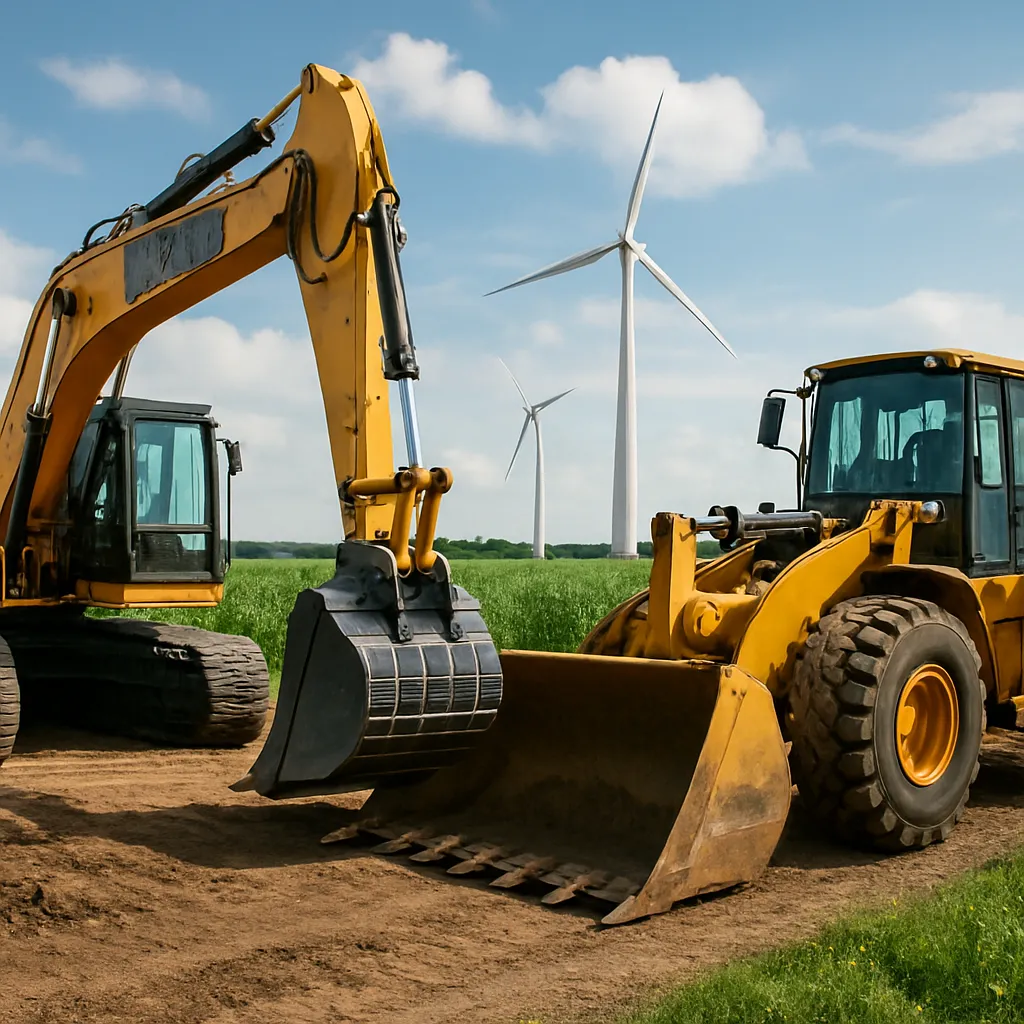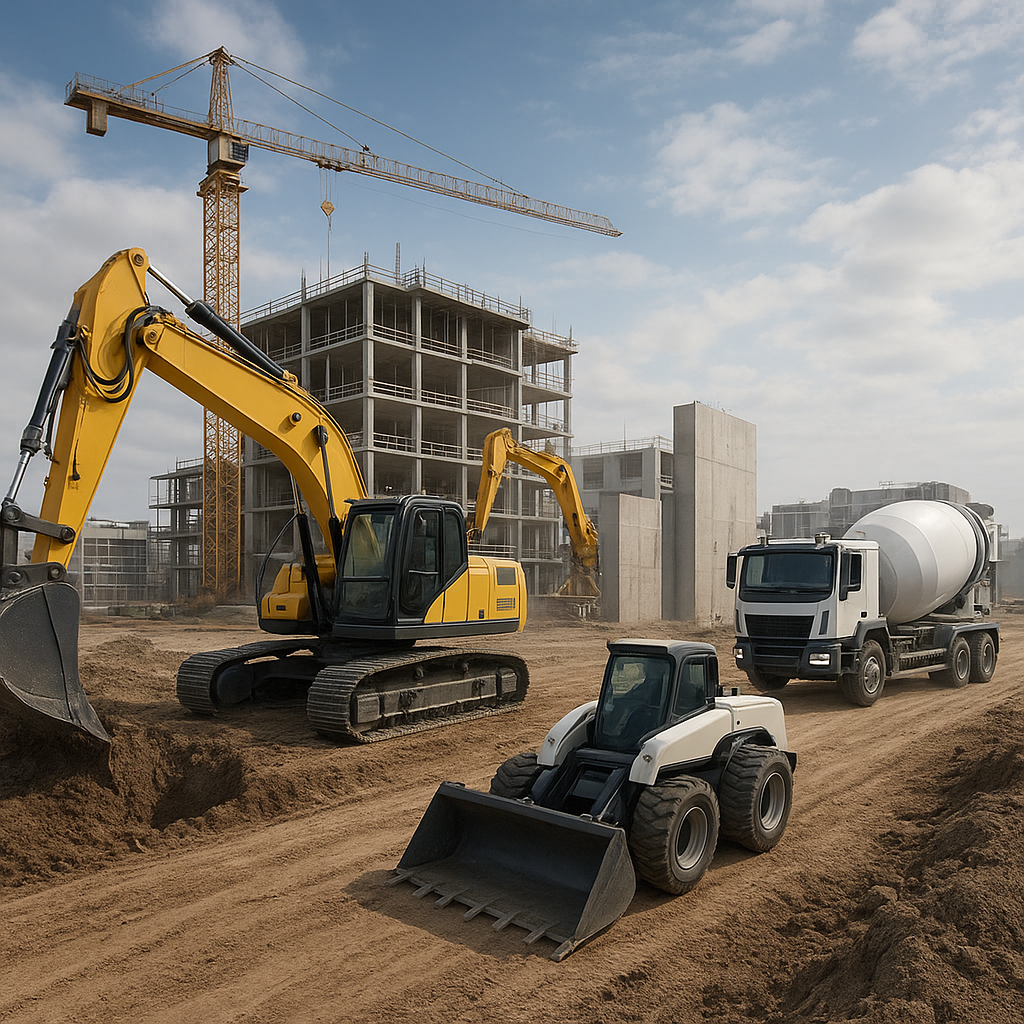
Machines at construction sites have undergone a profound transformation, evolving from basic earthmovers to highly sophisticated, fully autonomous systems. These advancements have not only redefined traditional workflows but also opened new possibilities for safety, speed, and precision. As we explore the most significant shifts in the industry, we will delve into the technological breakthroughs, operational benefits, and the challenges that lie ahead in the quest for fully automated job sites.
Automation in Modern Construction
The integration of automation technologies into construction processes marks a paradigm shift away from manual labor toward intelligent, data-driven operations. Traditional heavy equipment, such as excavators, bulldozers, and cranes, are now equipped with GPS modules, onboard computers, and autonomous guidance systems. These retrofits enable machines to execute tasks with centimeter-level accuracy and minimal human intervention.
Key drivers of this transformation include:
- Robotics platforms capable of repetitive, high-precision operations like bricklaying or rebar tying;
- Advanced AI algorithms that optimize scheduling, resource allocation, and real-time decision-making;
- Networked communication protocols that synchronize multiple machines on a single job site.
By leveraging these capabilities, project managers can implement continuous 24/7 operations, drastically reducing completion times for critical phases such as foundation laying and structural assembly.
Cutting-Edge Technologies Driving Progress
Autonomous Earthmoving
Autonomous earthmoving machines combine high-powered hydraulics with precise sensors that continuously map the terrain. Through LiDAR scanning and 3D modeling, these machines adjust blade heights, scoop depths, and dump locations on the fly. The result is a consistent grade and volume distribution, minimizing waste and rework.
Driverless Cranes and Material Handling
Cranes equipped with advanced vision systems can navigate complex environments, identify lift points, and adjust trajectories to avoid obstacles. Coupled with machine learning modules, these systems learn from past lifts to improve load stability and cycle times.
Precision Fabrication and Additive Manufacturing
Robotic arms and gantries now handle tasks like welding, concrete extrusion, and steel rod placement with near-perfect uniformity. Additive manufacturing techniques, including large-scale 3D printing, create walls and structural elements layer by layer, reducing material consumption and labor requirements.
Benefits and Challenges of Fully Automated Job Sites
Enhanced Safety and Reduced Risk
One of the most compelling benefits of automation is the dramatic reduction in on-site accidents. Heavy equipment incidents often arise from human error, fatigue, or miscommunication. Autonomous systems, driven by precise algorithms and sensors, operate within defined safety envelopes, stopping instantly when unexpected obstacles are detected. This minimizes risks not only to operators but also to on-site personnel.
Boosted Productivity and Efficiency
Automated machines work tirelessly, maintaining optimal performance around the clock. By eliminating downtime for breaks, shift changes, or manual repositioning, project timelines shorten significantly. Data analytics platforms track machine performance metrics—fuel consumption, cycle times, and maintenance needs—ensuring peak operational efficiency.
Environmental and Sustainability Goals
Fully automated equipment constantly monitors emissions, fuel usage, and material waste. Intelligent routing of tasks and material deliveries reduces unnecessary idling and truck movements, lowering the carbon footprint of construction projects. As companies pursue stricter environmental regulations, automation offers a pathway to meet and exceed sustainability benchmarks.
Technical and Workforce Challenges
Transitioning to automated job sites presents hurdles. Integrating legacy equipment with modern control systems requires specialized retrofitting, spurring initial capital costs. Additionally, the workforce must adapt; roles shift from manual operation to overseeing autonomous fleets. Training programs must emphasize skills in system diagnostics, programming, and remote monitoring, fostering a new generation of hybrid operator-technicians.
Architecting the Smart Construction Ecosystem
Digital Twins and Remote Monitoring
Construction sites now leverage innovation in creating digital twins—virtual replicas of physical assets updated in real time. These models allow engineers to simulate various scenarios, identify potential clashes, and optimize workflows before on-site execution. Remote operation centers can oversee multiple sites simultaneously, dispatching instructions to autonomous machines across vast distances.
Edge Computing and 5G Connectivity
To support the high-volume data exchange between machines, cloud platforms, and control centers, job sites are adopting edge computing nodes. These local servers process sensor inputs, video feeds, and telematics at low latency, enabling split-second decision-making. Paired with 5G networks, construction machines maintain reliable connectivity, even in remote or congested urban environments.
Collaborative Human-Machine Interfaces
Rather than replacing humans entirely, modern systems are designed for collaboration. Augmented reality (AR) headsets and haptic control panels allow supervisors to guide robotic equipment intuitively. This synergy leverages human judgment for complex tasks while capitalizing on the precision and endurance of machines.
Future Outlook and Emerging Trends
The evolution toward fully automated job sites is poised to accelerate over the coming decade. Key trends include:
- Widespread adoption of solar- and battery-powered machinery, aligning with global decarbonization initiatives;
- Integration of drones for aerial surveying, progress monitoring, and inventory assessment;
- Standardized protocols for machine-to-machine communication, fostering interoperability across manufacturers;
- Adaptive learning systems enabling equipment to self-optimize based on past performance data.
As these trends converge, the construction industry will witness a dramatic shift in how projects are conceived, planned, and executed. Enhanced by AI-driven insights, next-generation machines will deliver unprecedented levels of accuracy, productivity, and cost-effectiveness, fundamentally transforming urban landscapes and infrastructure development worldwide.