The science of clearing snow on a large scale demands specialized machinery capable of tackling extreme conditions. Heavy-duty snow blowers combine robust components and careful engineering to move tons of snow quickly and reliably. Professionals rely on these machines to keep roads, runways, and industrial sites operational while minimizing downtime and risk. This article explores the inner workings of these powerful tools, highlighting key systems, design considerations, and future developments shaping the next generation of snow removal equipment.
Mechanical Design and Components
At the heart of any heavy-duty snow blower lies a carefully engineered arrangement of parts designed to shred, lift, and throw snow away from critical surfaces. Understanding these components is essential for appreciating how snow blowers achieve high levels of performance and reliability in harsh winter environments.
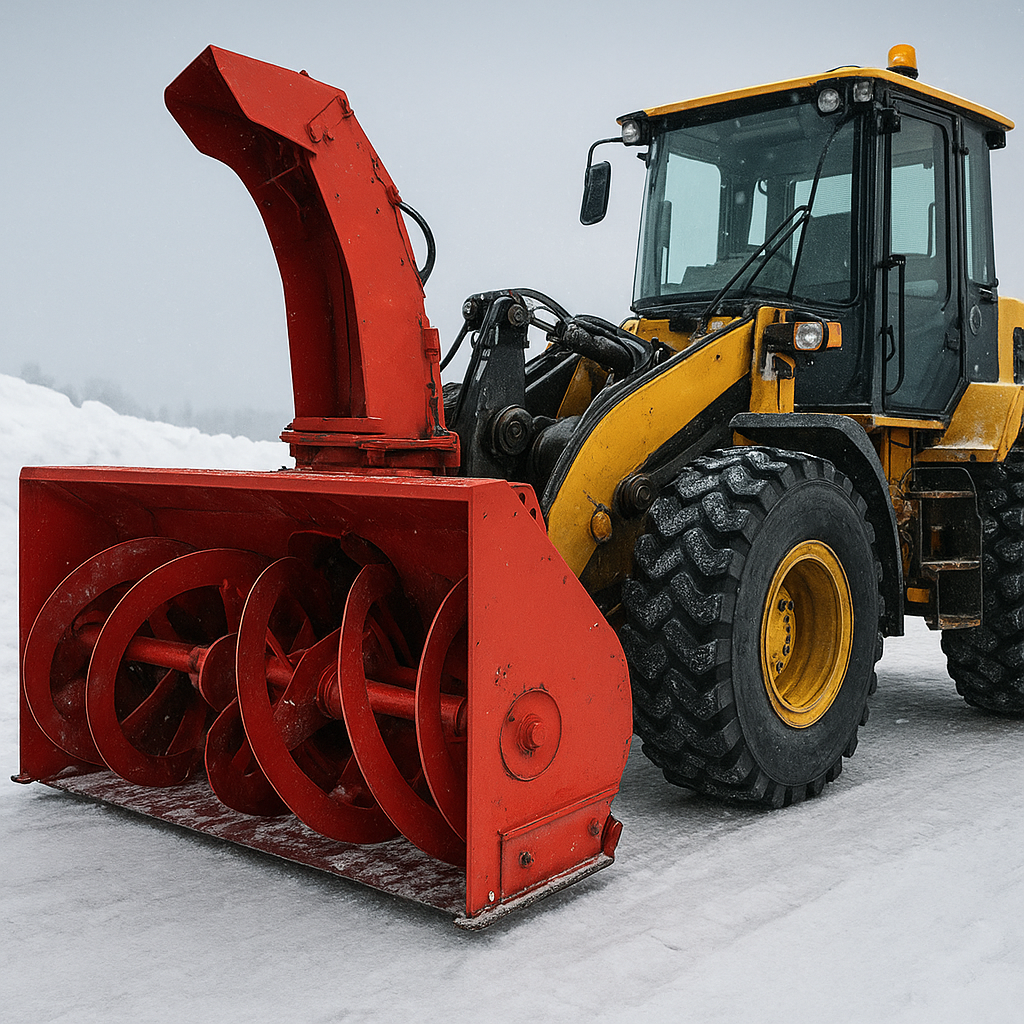
Auger and Impeller Assembly
- Auger: A spiral blade that cuts into packed snow and directs it toward the center of the intake. Augers are often fabricated from high-strength materials such as alloy steel to resist wear and abrasion.
- Impeller: Positioned behind the auger, the impeller accelerates snow through the discharge chute. Its vanes must be balanced precisely to minimize vibration and ensure consistent snow ejection distances.
Chassis and Wear Components
- Frame: A rigid, welded steel frame provides structural durability and supports all moving parts.
- Skid Shoes and Scraper Bars: Adjustable skid shoes protect the chassis from damage and maintain proper clearance above paved surfaces.
- Wearplates: Replaceable plates line high-contact areas to extend service life and simplify maintenance.
Discharge Chute and Control Mechanisms
The discharge chute directs snow where operators need it most. Many machines feature 360-degree chute rotation and adjustable deflectors, enabling precise control over snow placement. Control linkages and hydraulic actuators must be robust enough to operate in subzero temperatures without binding or leaking.
Powertrain and Performance
Delivering the necessary force to move heavy snow demands a powerful drive system. The choice between gasoline, diesel, or electric power, combined with transmission design, greatly influences overall efficiency and usability.
Engine Specifications
- Horsepower: Engines on heavy-duty models often range from 25 to 50 HP, providing ample power to both the auger/impeller assembly and the drive wheels or tracks.
- Torque: High torque at low RPM helps maintain blade rotation through deep drifts and icy snow.
- Cooling Systems: Radiators and fans must operate effectively in freezing conditions to avoid overheating during prolonged use.
Transmission and Drive Types
Snow blowers may use various transmission systems:
- Friction Drive: Uses rubber rollers against a spinning disk to vary forward speed smoothly.
- Gear Drive: Provides direct mechanical engagement for higher traction and reduced slippage.
- Hydrostatic Drive: Offers infinitely variable speeds and reverse control via hydraulic pumps and motors, enhancing maneuverability on uneven terrain.
Traction Systems
Maintaining forward motion across snow and ice is critical. Options include:
- Rubber Tracks: Distribute weight more evenly and reduce ground pressure, preventing the machine from sinking into soft snow.
- Aggressive-Tread Tires: Provide grip on packed surfaces and can be equipped with studded chains for added traction.
Safety Features and Maintenance
Working around spinning blades, high-pressure belts, and hot engine parts presents inherent risks. Manufacturers integrate multiple safety features to protect operators and bystanders.
Safety Guards and Controls
- Auger Housing Shields: Prevent inadvertent contact with moving parts and redirect thrown debris downward.
- Safety Switches: Automatically shut off the auger if the operator releases the control lever.
- Emergency Stops: Easily accessible buttons or cables that cut power immediately in case of a hazard.
Routine Inspection and Servicing
Regular maintenance ensures optimal performance and extends equipment life:
- Lubrication: Greasing auger bearings, drive shafts, and chute rotation gears prevents premature wear.
- Belt Tension: Proper tension on drive belts reduces slippage and maintains consistent power delivery.
- Engine Tune-Ups: Checking spark plugs, oil levels, and fuel filters supports reliable starts in cold weather.
- Corrosion Prevention: Applying protective coatings to exposed metal surfaces keeps rust at bay.
Emerging Innovations in Snow Removal Machinery
Advances in technology continue to push the boundaries of what snow blowers can achieve. Engineers focus on improving efficiency, reducing emissions, and incorporating intelligent systems.
Electric and Hybrid Powertrains
Battery-electric models eliminate exhaust emissions and reduce noise, offering an environmentally friendly alternative for urban settings. Hybrid systems combine batteries with small diesel engines to extend operational range while cutting fuel usage.
Smart Sensors and Automation
- Obstacle Detection: Ultrasonic sensors and cameras warn operators of hidden hazards beneath the snow.
- GPS Mapping: Enables precise tracking of cleared areas and automated route planning for large properties.
- Remote Monitoring: Telemetry systems report machine health, fuel levels, and usage stats to fleet managers in real time.
Material Innovations
New composites and coating technologies yield stronger yet lighter components. Advanced polymers resist ice buildup on augers, reducing jams and improving throughput. High-performance alloys extend the service life of critical wear parts under abrasive conditions.
Future Directions
Research continues into fully autonomous snow removal robots capable of continuous operation without human intervention. Integration with smart city infrastructure could allow municipal fleets to coordinate clearing efforts based on real-time snowfall data, ensuring roads stay clear and safe with minimal manual oversight.