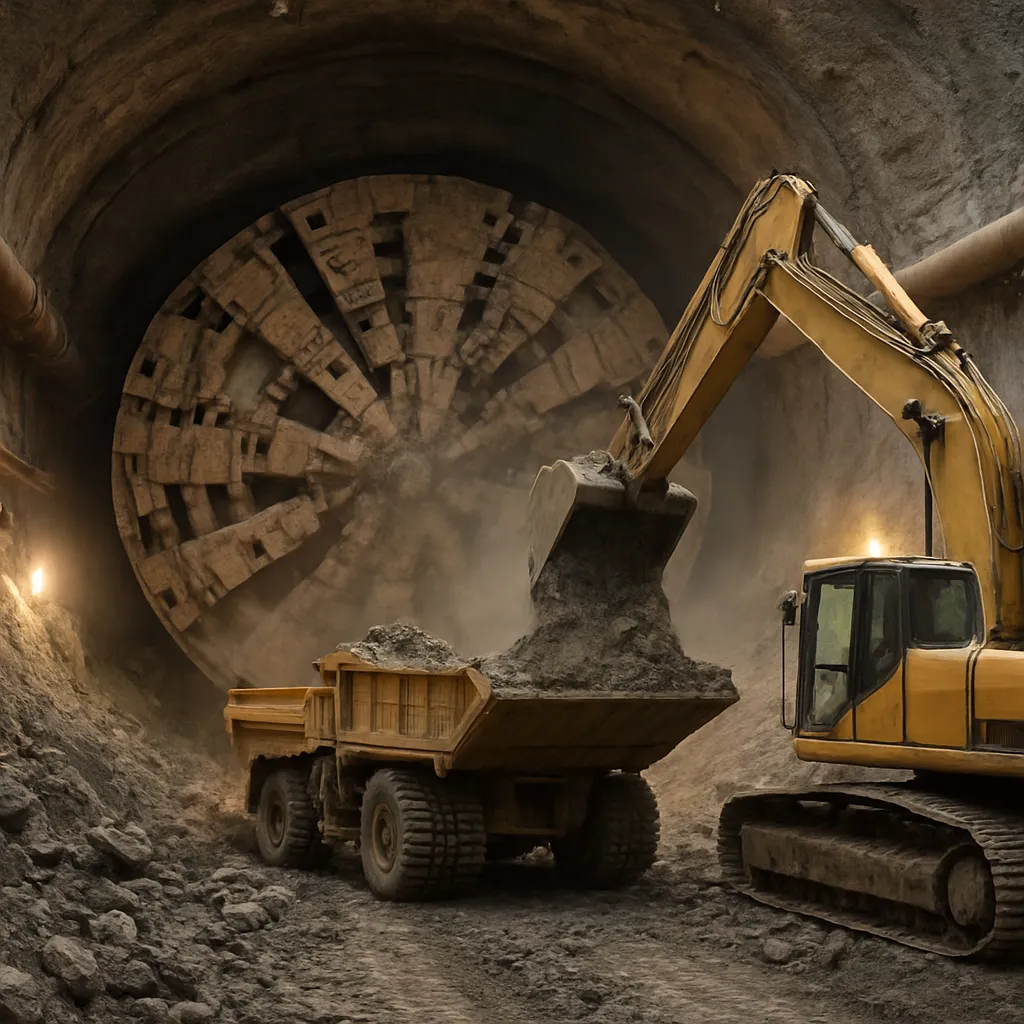
Operating massive equipment on construction sites, mining areas, and industrial zones demands a unique blend of skill, vigilance, and adaptability. Heavy machinery operators must juggle intricate controls, shifting terrains, and strict deadlines while adhering to rigorous safety protocols. This article examines the most pressing challenges these professionals face as they balance productivity with caution, innovation with tradition, and human factors with mechanical demands.
Safety and Operational Risks
Handling large-scale machines exposes operators to an array of hazards that can lead to injury, equipment damage, or costly downtime. Identifying and mitigating these risks requires comprehensive safety protocols and continual vigilance.
Common Hazards
- Rollovers and tip-overs on uneven or unstable ground.
- Pinch points where body parts or clothing can get caught in rotating or moving components.
- Crumble or collapse of trenches and excavation walls.
- Exposure to electrical lines during crane or lift operations.
Preventive Measures
- Pre-shift inspections of brakes, lights, hydraulic systems, and engines.
- Strict adherence to load charts and manufacturer guidelines.
- Use of personal protective equipment (PPE) such as high-visibility vests, hard hats, gloves, and steel-toed boots.
- Implementing exclusion zones and communication protocols with ground personnel.
- Regular safety drills and toolbox talks to reinforce awareness.
Technical Complexity and Maintenance Strategies
Modern heavy equipment integrates sophisticated technology—from GPS guidance and telematics to advanced hydraulic systems. While these features enhance precision and performance, they also introduce new challenges in diagnostics, repair, and upkeep.
Challenges in Maintenance
- Diagnosing subtle faults in electronic control modules and sensors.
- Accessing hard-to-reach components for fluid changes or part replacement.
- Balancing preventive maintenance schedules with production demands.
- Managing supply chains for high-cost parts and specialized consumables.
- Keeping up-to-date with firmware updates and software patches.
Best Practices
- Establishing a detailed maintenance log system to track service intervals, repairs, and parts history.
- Training in-house technicians on both mechanical and electronic diagnostic tools.
- Utilizing telematics to monitor real-time performance metrics, fluid levels, and machine health indicators.
- Partnering with OEM-authorized service centers for complex overhauls.
- Implementing a fail-safe inventory strategy for critical components.
Ergonomics, Health, and Environmental Impact
Long hours behind the controls of massive equipment can take a toll on an operator’s physical and mental health. Furthermore, these machines contribute significantly to emissions, noise pollution, and land disturbance.
Ergonomic Stressors
- Vibration transmitted through seats and controls leading to musculoskeletal disorders.
- Repetitive motion of joysticks and pedals causing wrist and shoulder strain.
- Limited visibility and awkward seating postures inducing neck and back pain.
- Exposure to extreme temperatures within unconditioned cabs.
Mitigation Techniques
- Installing adjustable seats with lumbar support and vibration-dampening features.
- Rotating shifts to reduce continuous exposure to high-vibration tasks.
- Encouraging regular breaks and on-site stretching exercises.
- Incorporating climate-control systems within operator cabins.
- Offering training on correct posture and body mechanics.
Environmental Considerations
- Transitioning to low-emission engines or electric powertrains to curb greenhouse gases.
- Implementing fuel-saving operating techniques such as idle-time reduction and optimal gear selection.
- Utilizing biodegradable hydraulic fluids to protect soil and waterways.
- Designing noise barriers and scheduling high-noise activities during less disruptive hours.
- Reclaiming and rehabilitating work sites post-operation to restore local ecology.
Emerging Technologies and Training Requirements
Technological advancements promise to revolutionize heavy equipment operations but also demand continuous learning and adaptation from operators. From semi-autonomous controls to virtual reality training platforms, staying current is vital.
Automation and Remote Operation
- Semi-autonomous functions—such as automated grading and obstacle avoidance—reduce operator workload.
- Fully remote-controlled machinery offers safer alternatives in hazardous environments like mines.
- Integration of AI for predictive maintenance warnings and real-time decision support.
- Challenges include cybersecurity risks and the need for robust wireless connectivity.
Training and Skill Development
- Hands-on certification programs focusing on both traditional controls and new digital interfaces.
- Simulation-based training using VR and AR to replicate complex scenarios without endangering personnel.
- Continuing education on software updates, telematics dashboards, and emerging safety regulations.
- Mentorship and apprenticeship models to transfer institutional knowledge to younger operators.
- Assessment frameworks that measure both technical proficiency and soft skills such as situational awareness.
Future Outlook
As the construction, mining, and energy sectors prioritize efficiency and sustainability, heavy machinery will become more connected, intelligent, and environmentally friendly. Operators who embrace ongoing training, champion safety, and collaborate with maintenance teams will excel in a landscape shaped by innovation and stringent regulatory demands.