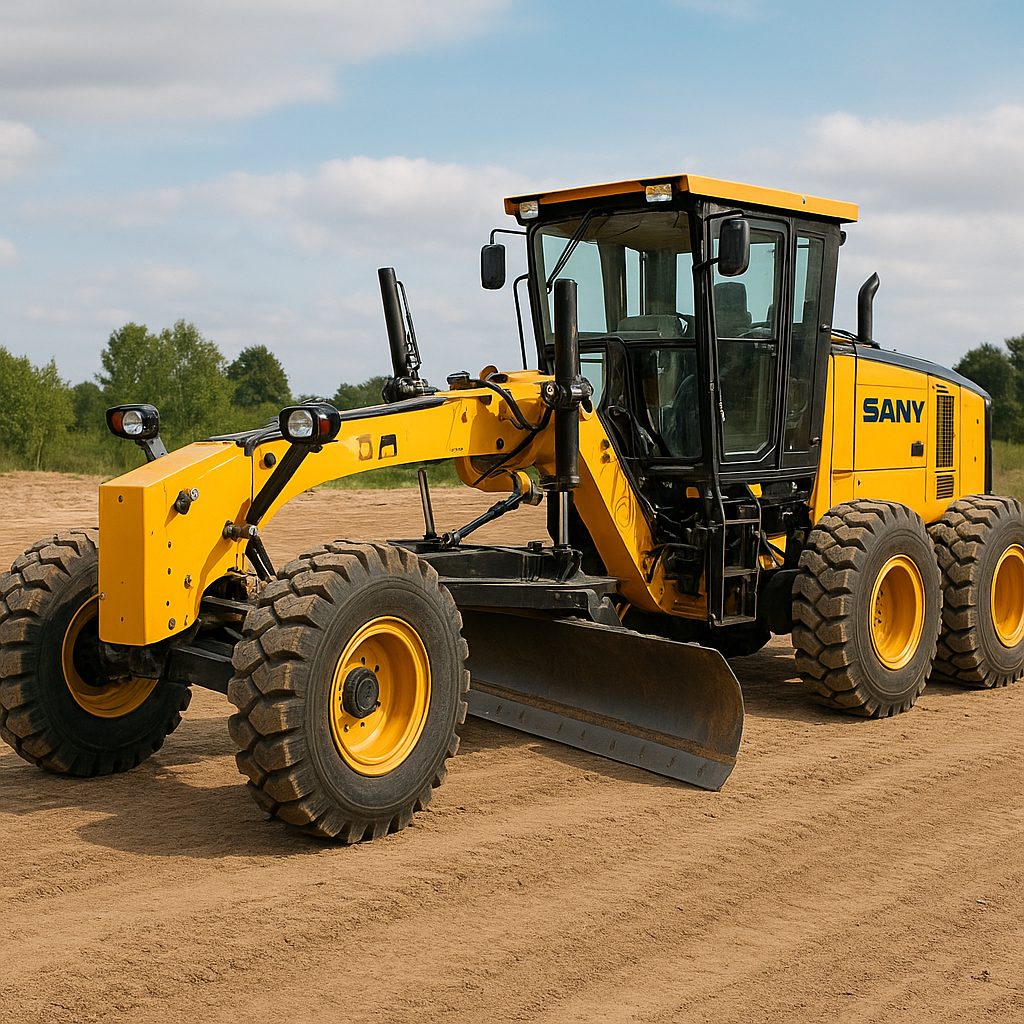
The SANY STG245-8S is a heavy-duty construction machine widely used in road building, earthmoving and site preparation. Combining robust mechanical systems with modern operator comforts and service-friendly design, the STG245-8S positions itself as a competitive choice in the medium-to-large grader class. In the text below, you’ll find an overview of its design and capabilities, common applications, operational and maintenance considerations, and practical insights into performance and economics. Relevant technical figures are included where available or typical for this class of machine.
Design and core technical characteristics
The SANY STG245-8S is engineered as a purpose-built road grader, with emphasis on precise grading, stability and durability. As with other modern graders, its structure centers on a rigid frame, a robust front axle and a heavy-duty rear drive module to handle torque and maintain traction in demanding conditions. The machine integrates a hydraulically controlled moldboard and a set of linkages for fine control of blade position and angle.
Powertrain and performance
- SANY equips the STG245-8S with a high-torque diesel engine designed to deliver steady power at low rpm for grading tasks. The model designation “245” commonly refers to rated horsepower in this class—around 245 hp (approximately 183 kW), which balances fuel economy with the power needed for heavy cutting and pushing operations.
- Typical transmission systems for this category are power-shift or hydro-mechanical units allowing smooth speed changes under load and multiple gear ranges for road travel versus work speed.
- Travel speeds commonly range from low crawl for precision grading up to 40–45 km/h for repositioning between job sites, depending on axle and transmission setup.
Blade, circle and control systems
The heart of any grader is its moldboard and circle assembly. The STG245-8S features a durable moldboard with hydraulic controls for raise/lower, tilt, side-shift and angle adjustments. Typical moldboard lengths for graders in this class are in the range of 4.2–5.2 meters, enabling wide coverage per pass and reduced cycle time on long alignments.
- Hydraulic systems are designed for responsive control and may include load-sensing valves to optimize pump output under varying demands.
- Circle rotation speed, blade pitch and articulation are tuned to provide a balance between cutting force and fine surface finish, crucial for road base and finish grading.
Primary applications and job-site use
The STG245-8S is aimed at a broad set of earthmoving and road construction tasks. Its combination of power and control makes it suitable for both heavy cutting and precision finishing.
- Road construction and maintenance: grading sub-base layers, creating crown and slope, and preparing final surfaces prior to paving.
- Airport runways and taxiways: fine grading and surface profiling to strict tolerances.
- Mining and quarry service roads: building and maintaining haul roads where a strong machine with high traction is required.
- Land reclamation and large civil works: contouring, ditching and leveling on large earthworks projects.
- Agricultural infrastructure and drainage channels: where long runs and consistent grades are needed.
In short, any job that requires a consistent, controllable surface grade over long distances is a candidate for a machine like the STG245-8S.
Operator environment and controls
Modern graders place substantial emphasis on operator comfort and visibility, and the STG245-8S is no exception. Comfortable and ergonomic cabins reduce operator fatigue and improve accuracy during long shifts.
- Cab features often include an adjustable air-suspension seat, climate control (AC/heater), low-vibration mounts and panoramic glazing for enhanced visibility of the blade and front wheels.
- Controls typically combine joysticks or lever linkages with electronic displays that show engine parameters, hydraulic pressures and fault diagnostics.
- Visibility aids such as rear-view cameras or mirrors, LED lighting packages and heated glass options are often available to extend productive hours into early morning or night shifts.
Assisted operation and precision grading
Many graders in this segment can be fitted with optional grade-control systems (GNSS, laser or sonic guidance) that link electronic controls to the hydraulics for automated blade positioning. These systems significantly increase accuracy and speed on finish-grade applications, reducing rework and material waste.
Fuel efficiency, emissions and environmental considerations
Fuel efficiency is a key consideration for owners, since graders often run many hours per year. The STG245-8S uses engine calibration and hydraulic system optimization to reduce fuel consumption under partial load—common in grading tasks.
- Typical fuel consumption for machines in this power class varies widely with duty cycle, but a reasonable working range is roughly 15–30 liters per hour depending on load, terrain and operator technique.
- Engines meeting contemporary emissions standards (Tier 3/Stage IIIA to Tier 4/Stage IV depending on region) incorporate exhaust after-treatment systems where required, such as DOC/DPF or SCR units. These systems reduce particulate and NOx emissions while often having minimal effect on operator-facing performance.
- Lower idle and auto-shutdown features help reduce unnecessary fuel use and emissions during non-productive periods.
Maintenance, serviceability and lifecycle costs
Maintenance and the associated downtime have large impacts on total cost of ownership. The STG245-8S is designed with serviceability in mind:
- Easy access to major service points such as engine filters, hydraulic filters, oil fill and dipstick points, and battery banks reduces routine maintenance times.
- Modular component layouts and standardized parts across SANY models simplify parts stocking and reduce logistics for fleets.
- Predictive maintenance via onboard diagnostics can notify operators of impending issues before failure, increasing uptime.
Owners should budget for regular consumables (engine oil, hydraulic oil, filters, cutting edges on the moldboard) and wear items (front and rear tires, articulation pins and bushings, circle teeth). Properly maintained, machines in this class often provide many thousands of hours of productive service.
Safety features and operator protection
Safety features on the STG245-8S typically include ROPS/FOPS-certified cab structures, seat belts, and clear sightlines to blade and wheel paths. Additional safety aids can include:
- Backup alarms and cameras for reversing operations.
- Anti-slip surfaces on steps and cages around service points.
- Hydraulic lockouts that prevent unintended blade movement during maintenance.
- Fire suppression options or extinguisher mounts in high-risk environments.
Practical performance metrics and statistical indicators
Where precise manufacturer data are available, they are best referenced directly from product specification sheets. However, for a practical understanding of what to expect from a grader like the STG245-8S, consider the following representative figures and performance indicators for this power class:
Representative technical statistics
- Rated power: ~245 hp (≈183 kW)
- Operating weight: typically in the 16,000–20,000 kg range depending on configuration and options
- Moldboard (blade) length: commonly around 4.2–5.0 meters
- Maximum travel speed: roughly 40–45 km/h
- Fuel consumption (work cycle average): roughly 15–30 L/h depending on load
- Typical hydraulic working pressure: dependent on system design—often in the 180–260 bar range for major actuators
These figures are indicative and can vary by market, emission stage, and optional equipment. Operators measuring productivity will often track pass rate (meters graded per hour), fuel per cubic meter of material moved and time to finish-grade. On long road builds, an efficient grader paired with skilled operators can significantly reduce base preparation times.
Economic considerations and applications planning
When considering the purchase or rental of an STG245-8S, owners should weigh upfront cost versus lifecycle value. Factors that influence the economic case include:
- Projected annual operating hours—equipment with predictable, heavy use supports higher initial investment.
- Availability and cost of local service and parts—brand presence in-region reduces downtime and repair expenses.
- Resale value—machines from established manufacturers often retain better resale prices.
- Fuel prices and expected consumption—fuel efficiency improvements can return investment over time on large projects.
- Attachments and options—rippers, GPS grade control, extended moldboards and special tires can increase versatility but raise acquisition cost.
For contractors bidding on roadworks, unit costs such as price per linear meter of graded road or cost per cubic meter of cut material should reflect expected machine productivity and operating expense. Leasing or rental can be attractive for short-term projects or to try a new machine class before purchase.
Comparisons, market positioning and competitive strengths
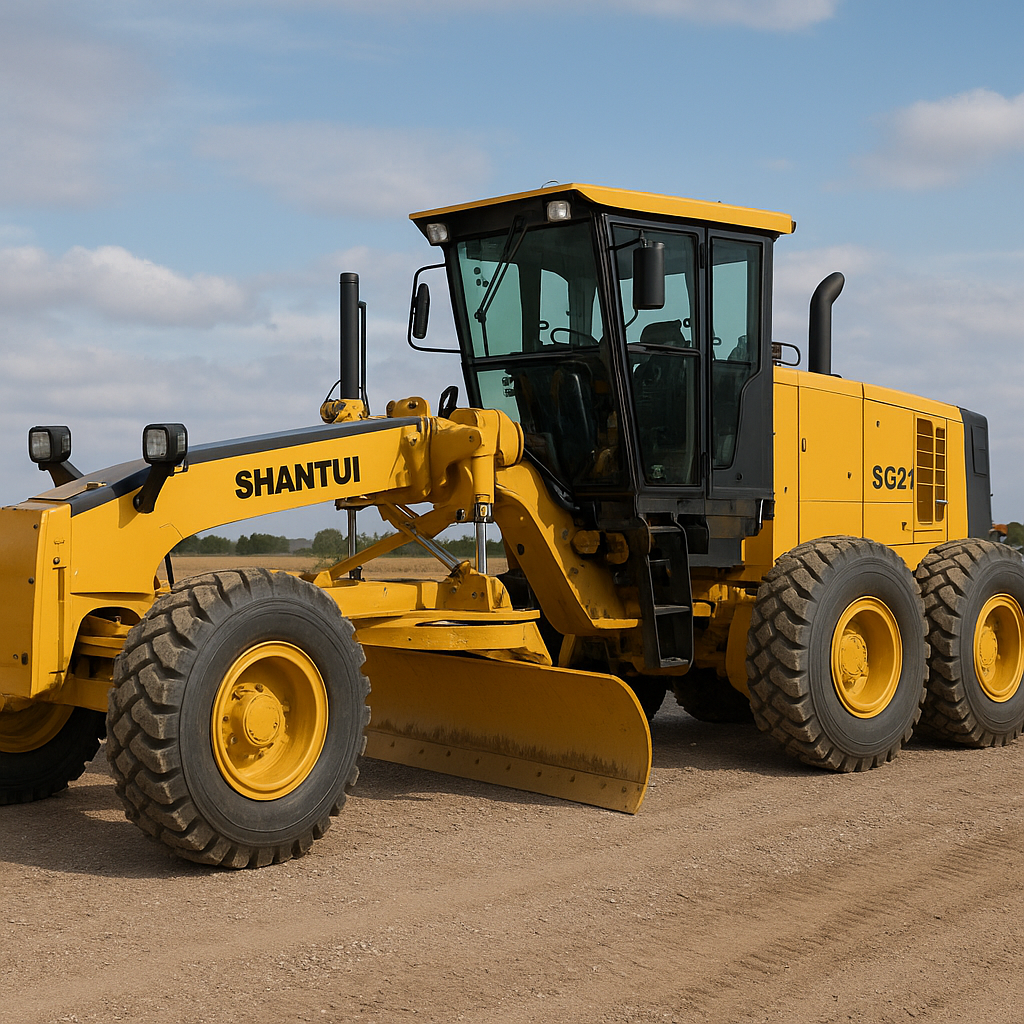
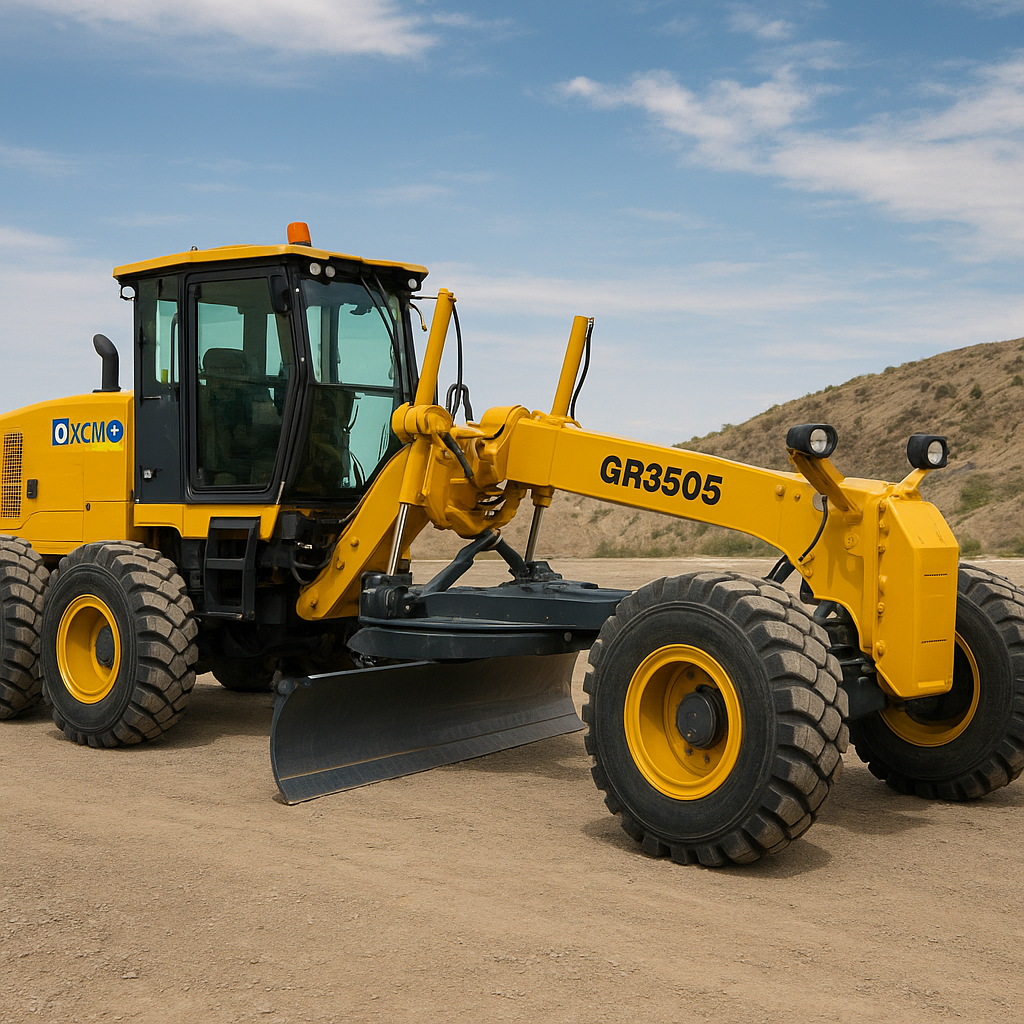
In the global grader market, SANY competes with established OEMs by emphasizing a combination of aggressive pricing, parts availability and robust build quality. The STG245-8S aims to provide:
- Competitive power-to-cost ratio—solid horsepower for mid-to-large grading jobs without premium OEM pricing.
- Service network advantages in markets where SANY has invested heavily in dealer support and parts logistics.
- Modern operator amenities and optional electronic grade control to compete on finish-grade performance.
Prospective buyers often compare operating weight, moldboard length, engine torque curves and hydraulic flow ratings when selecting between brands. Field trials and operator feedback on handling, fuel consumption and comfort are crucial in making a final decision.
Final observations and practical tips for users
The SANY STG245-8S represents a capable choice for contractors requiring a reliable, mid-to-large-sized grader for road construction, maintenance and general earthmoving. To get the best results from the machine in real projects, consider the following practical tips:
- Invest in operator training—grading is as much skill as it is machine capability; experienced operators deliver better surface quality and fuel economy.
- Use the right blade and cutting-edge configuration for the material—longer blades and tougher edge alloys can improve productivity but require appropriate machine setup.
- Implement a scheduled maintenance program and keep critical spare parts on hand to reduce downtime.
- Consider GPS or laser grade-control options for finish-grade work to reduce rework and materials waste.
- Monitor fuel use and engine parameters through telematics where available to spot inefficiencies early.
When specifying a grader for purchase or hire, verify the exact technical sheet for the STG245-8S as offered in your market—regional differences in emissions compliance, axle ratings, tire choices and optional equipment can influence both cost and field performance. With the right specification and trained operators, the STG245-8S can be a productive asset across a wide range of civil construction tasks.
)
)