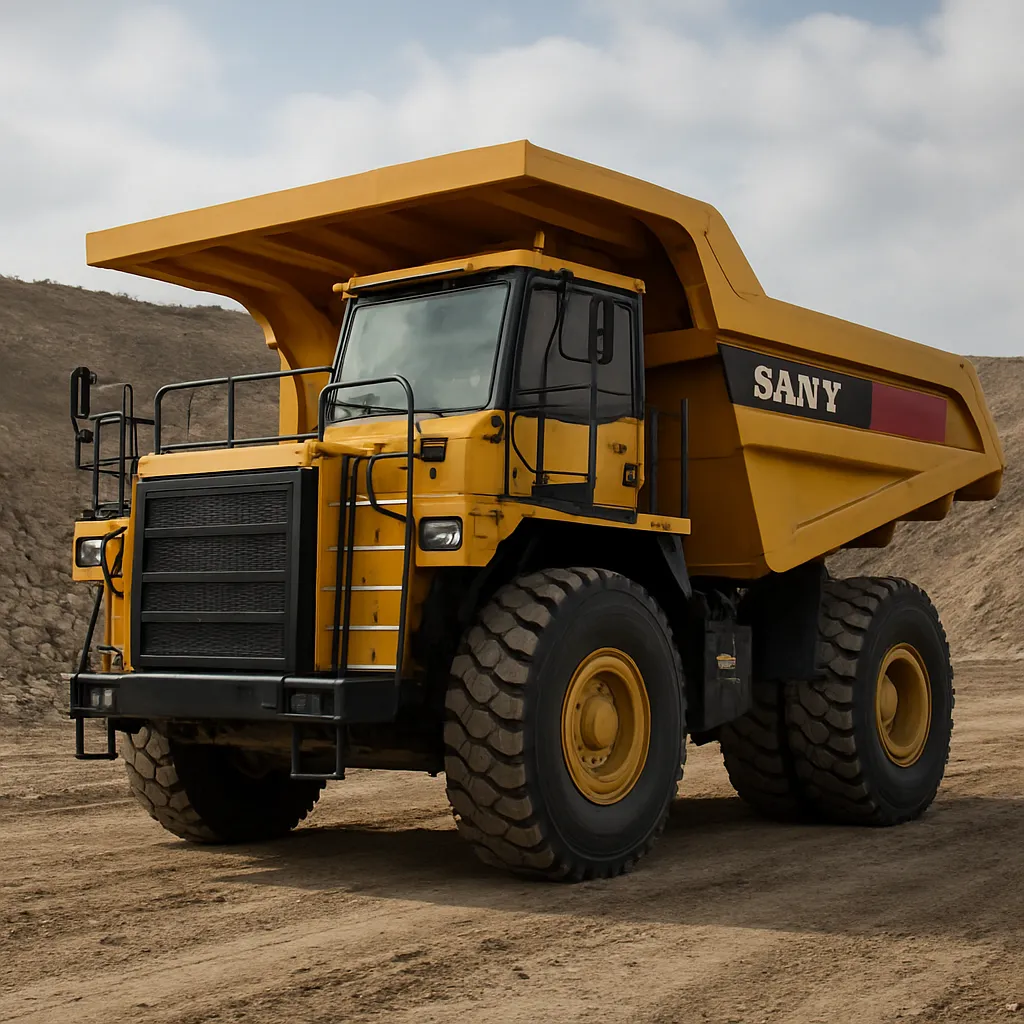
The SANY SKT105E is a purpose-built machine in the contemporary portfolio of underground haulage equipment. Designed to meet the demands of modern mining operations, it combines robust mechanical design with modern control systems to move material efficiently underground. In the following sections we examine its typical applications, technical and operational features, safety and environmental benefits, maintenance and lifecycle economics, and the broader market context in which machines like the SKT105E operate.
Design and primary applications
The SANY SKT105E is targeted at the underground mining sector where reliable, compact and high-capacity haulage is needed. Typical use cases include ore and waste haulage in narrow to medium headings, development and production drift support, stockpile feeding, and short-distance transfer between faces and orepasses. The machine is frequently chosen where maneuverability and compact footprint matter, but where a meaningful payload and high utilization are still required.
Because of its underground orientation, the SKT105E is engineered to operate in constrained environments with steep grades, tight turns, and variable floor conditions. It can be integrated into various mining methods, from cut-and-fill and room-and-pillar to longhole stoping, where material must be moved from stope to conveyor or truck haulage systems.
Key technical features and configurations
The SKT105E typically blends proven mechanical components with modern electronics and drivetrain options. While manufacturers regularly offer several configurations to match mine requirements, the following are common attributes and configurable items you can expect:
- Drivetrain: Options include diesel-mechanical or diesel-electric, and increasingly battery-electric or hybrid layouts to meet ventilation and emissions needs.
- Payload capacity: Models in this class are generally intended for payloads in the vicinity of 8–12 tonnes (the model designation 105 often reflects a nominal 10.5-tonne class), making them suitable for medium-capacity haulage tasks underground.
- Compact chassis and articulation for tight turning radii and improved maneuverability in narrow roadways.
- Hydraulic systems optimized for fast dumping cycles and precise control during spotting and loading operations.
- Modern operator cabin ergonomics, with improved visibility, HVAC (when applicable), and vibration isolation for increased operator comfort and productivity.
- Telematics and remote monitoring integration: fleet management systems for productivity tracking, health monitoring, and preventive maintenance scheduling.
Electric and battery variants
One of the most talked-about advances in underground haulage is the shift to electric drive and battery-electric machines. Battery-electric variants of machines like the SKT105E offer reduced diesel particulate and NOx emissions, lower noise, and potential reductions in ventilation requirements. Typical battery systems for medium underground haulage equipment provide enough energy for a full shift or multiple shift cycles depending on haul distances and charge strategies.
Performance and operational characteristics
Operational performance of the SKT105E class machines is measured not only in speed and horsepower but in the ability to deliver consistent cycles under the constraints of underground mines. Important operational characteristics include:
- Cycle time and dumping speed — designed to minimize turnaround times at loading points and dump points.
- Gradeability and traction — capable of negotiating steep declines and rises commonly found in ramped underground systems.
- Durability of components — axles, gearboxes and hydraulic circuits built for high shock loads and abrasive environments.
- Maintainability — components arranged to allow fast component swaps, easy access to service points, and modular subassemblies to reduce downtime.
The integration of telematics enables operators and mine managers to track machine utilization (hours, cycles, idle time), fuel or energy consumption, and fault codes. Good fleet management based on these data points can significantly improve effective availability and reduce operating costs.
Safety, ergonomics and regulatory compliance
Safety is paramount in underground operations. The SKT105E incorporates structural and electronic features designed to protect operators and ground personnel. Typical safety and ergonomic features include:
- Operator-protecting cabins with rollover protection and reinforced structures where applicable.
- Advanced braking systems with fail-safe circuits and multiple redundancy layers.
- Cameras, proximity detection and collision-avoidance systems to mitigate the risk of contact with personnel or other machines in confined spaces.
- Good ergonomics: adjustable seating, simplified control layouts and climate control systems to reduce operator fatigue.
- Compliance with international mining equipment safety standards and the ability to adapt to local regulatory requirements.
Safety investments in such machines pay dividends by reducing accident rates and the associated downtime and liability costs. Additionally, low-emissions powertrains reduce risks tied to poor ventilation, improving the overall working environment.
Maintenance, lifecycle and total cost of ownership
Maintenance philosophies for underground haulage prioritize high availability, short mean time to repair (MTTR) and long component life. The SKT105E platform supports these goals through modular component design, ready availability of wear parts, remote diagnostics and simplified service routines. Key maintenance and lifecycle considerations:
- Preventive and predictive maintenance enabled by telematics, which can alert maintenance teams to developing issues before they cause failure.
- Commonality of parts with other SANY and allied-platform machines reduces inventory costs and shortens repair lead times.
- Refurbishment and remanufacture programs extend machine lifespan significantly, often yielding a lower lifecycle cost than frequent replacement.
When evaluating the economic case, mines typically look at lifecycle metrics such as cost per tonne moved, availability rates, and maintenance labour hours per operating hour. Transitioning to electric or battery variants may increase upfront capital expenditure but can lower the overall operating cost through reduced fuel consumption, lower ventilation costs and simpler drivetrain maintenance. This is why modern mining operations increasingly consider TCO (total cost of ownership) rather than only purchase price.
Environmental considerations and ventilation impact
Underground diesel emissions are a major driver of ventilation costs and worker exposure concerns. Battery-electric versions of machines like the SKT105E present important environmental advantages:
- Zero tailpipe emissions underground, reducing the demand on ventilation systems and associated energy consumption.
- Lower noise levels, which improve worker health and allow for longer productive working windows in constrained environments.
- Potential for reduced greenhouse gas footprint if the electricity used for charging is sourced from low-carbon grids or renewables.
Lower ventilation requirements can translate into meaningful operational savings, as ventilation can represent a significant portion of underground operating costs — in many mines, ventilation energy can account for 30–50% of total underground site energy use. Reducing diesel equipment in the fleet has been shown to reduce this share, improving site energy efficiency and air quality.
Market adoption and comparative positioning
SANY, as a global equipment manufacturer, positions its underground haulage machines to compete on price, support network, and the breadth of configurations offered. The SKT105E competes with machines from established global OEMs in the same payload class. Key competitive differentiators include:
- Attractive initial capital pricing with comprehensive aftermarket support networks in many regions.
- Flexible configuration range — enabling operators to choose diesel, hybrid, or battery options as available.
- Integration of modern telematics and fleet management tools that help mines optimize utilization and maintenance.
Regional adoption trends show faster uptake of electric and battery solutions in jurisdictions with strict emissions regulations or where ventilation costs are high. Emerging markets continue to replace aging fleets with robust medium-capacity machines like the SKT105E to improve productivity while keeping capital expenditure manageable.
Statistical context (industry-level)
While exact fleet numbers for the SKT105E model are not publicly enumerated in every market, industry-level statistics illustrate the trends that influence demand:
- The global underground mining equipment market has been growing with a multi-year compound annual growth rate (CAGR) in the mid-single digits, driven by investment in mining projects and equipment replacement cycles.
- Electrification of mobile mining equipment is accelerating: industry analyses indicated a strong year-on-year increase in battery-electric equipment orders for underground applications through the early 2020s.
- Ventilation, energy and maintenance account for significant portions of underground operating expenditure, making equipment choice strategic — shifting even a fraction of fleets to electric haulage can alter site economics substantially.
Manufacturers like SANY report expanding sales and service footprints globally; however, procurement decisions remain site-specific, influenced by orebody geometry, haul distances, availability of charging infrastructure, and capital budgets.
Operational deployment: planning, charging and integration
Deploying an SKT105E, especially in battery-electric form, requires careful planning across several domains:
- Infrastructure: installation of surface or underground charging stations, possibly with opportunity charging points at high-traffic locations.
- Power supply: electrical capacity and backup systems must be evaluated to ensure reliable charging, particularly in remote sites.
- Fleet mix planning: balancing electric units with diesel machines during transition phases to avoid bottlenecks.
- Training: retraining operators and maintenance crews to handle new technologies, safety protocols for high-voltage systems, and new procedures for charging and battery care.
Best practices suggest piloting electric units in specific scopes (e.g., production shifts with known cycle times) before full fleet conversion. Telemetry can be used to refine charging schedules, reduce peak power demand, and optimize battery lifecycles.
Maintenance tips and common upgrades
To maximize uptime with an SKT105E-class unit, operators commonly adopt a combination of preventive maintenance and condition-based monitoring. Practical tips include:
- Implement a telematics-driven preventive schedule that prioritizes service tasks based on usage patterns rather than fixed time intervals.
- Keep a small, curated inventory of high-failure or long-lead items to minimize downtime when components fail.
- Consider upgrades such as enhanced cooling for high-temperature environments, reinforced undercarriage protection for abrasive conditions, or more robust filtration systems where dust is severe.
- For electric models, monitor battery state-of-health closely — gradual capacity decline is normal, but early intervention can preserve usable life and safety.
Conclusions and practical recommendations
Machines like the SANY SKT105E represent a flexible solution to medium-capacity underground haulage needs. Their appeal lies in a balanced combination of payload capability, maneuverability, and modern systems integration. When planning deployment, mine operators should weigh the benefits of lower emissions and improved working conditions offered by battery-electric variants against the capital costs and infrastructure investments required.
From a practical standpoint, mines considering the SKT105E family should:
- Conduct a pilot trial under site-specific conditions to validate productivity and charging/ventilation impacts.
- Use telematics from day one to establish baseline utilization and maintenance patterns.
- Factor ventilation cost savings into long-term TCO models when comparing diesel and electric options.
- Invest in training and spare-parts planning to ensure fast service turnaround.
Overall, the SKT105E class machine is well-suited to mines seeking a modern, reliable and adaptable haulage platform. Its blend of performance, safety and the potential for electrified powertrains aligns with the broader industry trends toward cleaner, more efficient underground operations.


)
)