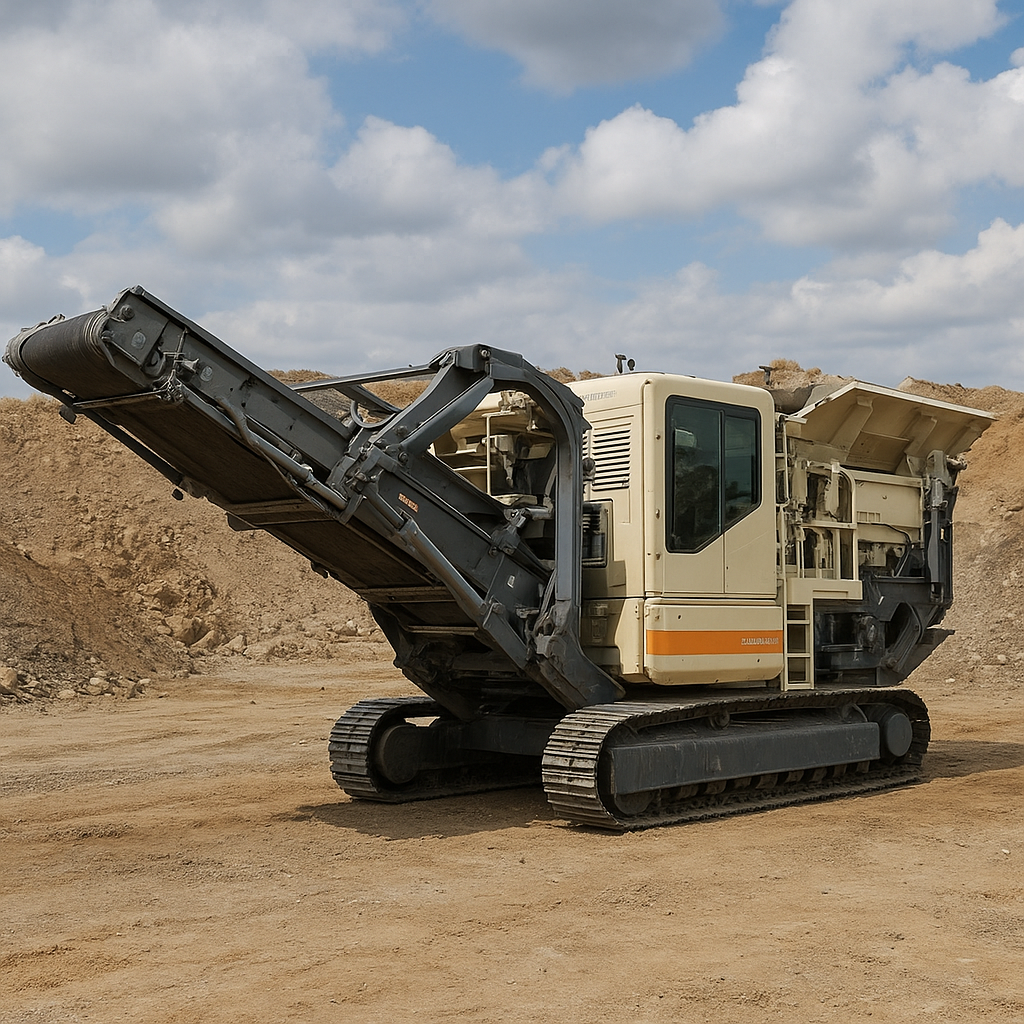
The Metso Lokotrack LT200 is a well-known name in the world of mobile crushing equipment. Designed for on-site secondary and tertiary crushing applications, the LT200 has been widely used in quarrying, mining, recycling and construction projects where fast setup, high mobility and consistent product quality are required. In the following sections, we explore the design, typical applications, operational features, maintenance aspects and available performance data for this versatile machine. Technical figures given are representative of the platform and comparable industry benchmarks where exact model data may vary by configuration.
Design and Key Technical Features
The Lokotrack LT200 is built around a robust cone crusher unit and a track-mounted chassis that enables rapid relocation between job sites. The machine was developed to combine the proven cone crusher technology from Metso with a compact, transport-friendly plant layout. The basic design philosophy is to deliver high crushing performance with relatively low operating complexity.
Primary Components
- Crusher chamber: The core of the LT200 is a cone crusher (variants include standard and high-performance chamber options) designed to produce a cubical, well-graded product suitable for aggregate and road-base applications.
- Tracked chassis: The crawler undercarriage allows for mobility across rough terrain and eliminates the need for towing equipment on short moves.
- Feed hopper and feeder: A wide feed hopper with efficient apron or vibrating feeder ensures steady material flow into the crusher.
- Screening: Many LT200 plants can be configured in closed circuit with a screening unit that recirculates oversized material for additional crushing stages.
- Conveyors: Integrated conveyors handle feed and discharge, minimizing the need for ancillary equipment and streamlining material flow on-site.
Drive and Control Systems
The LT200 typically features an electric or diesel-hydraulic drive system depending on the configuration and market. Modern control packages provide automated crusher settings, overload protection and diagnostic tools. These systems reduce operator workload and help maintain consistent production rates. Key control features often include automated tramp release, hydraulic adjustment of the crusher gap, and remote or cabin-based control panels for safe operation.
Applications and Typical Uses
The Lokotrack LT200 is prized for its versatility. It is commonly used in operations that require high-quality secondary or tertiary crushing and where mobility is critical. Below are common sectors and use cases where the LT200 excels.
Quarrying and Aggregates Production
- The LT200 produces aggregates for concrete, asphalt and general construction. Its cone crusher delivers a consistent grading and cubical particle shape, minimizing the need for downstream shaping.
- Operators value the machine in small to medium-scale quarry operations where a mobile, flexible plant is preferred over a fixed, stationary installation.
Mining
- In mining, the LT200 is often used for secondary crushing of run-of-mine material or for producing specified product sizes for downstream processing.
- Its robust design allows it to handle abrasive rock types and long operating cycles with appropriate wear parts and maintenance regimes.
Recycling and Demolition
- The unit is adaptable to recycling applications such as concrete and asphalt crushing when fitted with suitable wear liners and screens. The mobility and rapid setup time reduce logistics costs on demolition sites.
- LT200 plants help reclaim aggregate from demolished structures and produce reusable materials on-site, reducing transport and waste.
Road Construction and Infrastructure Projects
- On road projects, the LT200 can be moved along the route to produce sub-base and base materials where needed, offering on-demand production and lowering haul distances.
Performance, Capacity and Typical Specifications
Exact specifications for the Lokotrack LT200 can vary by model year and configuration. Below are representative figures and performance indicators that describe typical capabilities for this class of mobile cone crushing plant. When planning for deployment, consult manufacturer documentation or a Metso/Metso Outotec representative for the precise specification that matches your configuration and the installed crusher type.
- Throughput (typical): Depending on the feed material, crushing chamber and cavity setting, throughput usually ranges from roughly 50 to 250 tonnes per hour (tph) for many LT200 configurations. Harder, more abrasive rock lowers throughput, while softer materials and larger feed sizes can increase it.
- Feed size: Accepts feed sizes commonly up to several hundred millimetres, with the exact maximum feed size dependent on the selected feed hopper configuration and the crusher’s feed opening.
- Product size: Cone crushers in LT200-class units typically allow adjustable product settings enabling production of aggregate fractions from coarse to fine; closed-circuit setups help achieve narrow gradings.
- Operating weight: The mobile plant’s operating weight varies by configuration but is usually in the range of several tens of tonnes (often around 25–45 t for comparable mobile cone plants), facilitating transport on conventional low-loader trailers.
- Power: Drive power for the crusher and auxiliaries may be supplied by diesel engines (ranging typically from ~150 to 300 kW combined prime movers for the whole plant) or electrified drive systems when a power source is available on-site.
- Setup time: One of the major advantages is quick setup and tear-down; a single crew can often prepare the plant for operation in a matter of hours rather than days, depending on site conditions.
Operational Considerations and Maintenance
Reliable operation of the LT200 depends on correct selection of chamber type, appropriate wear materials and adherence to a regular maintenance schedule. Proper operation extends component life and reduces unexpected downtime.
Wear Parts and Liner Selection
- Choosing the right mantle and concave profiles is crucial for target product shape and liner life. Hard, abrasive rock requires high-chrome or wear-resistant liners.
- Regular inspection of liners, belts and bearings is recommended to identify wear patterns early and plan replacements during scheduled maintenance windows.
Lubrication and Hydraulics
- Modern cone crushers used in the LT200 platform feature automatic lubrication systems and sensors for monitoring oil condition and temperature.
- Hydraulic systems responsible for tramp release and setting adjustments should be regularly checked for leaks, pressure stability and proper fluid cleanliness.
Maintenance Best Practices
- Implement a planned maintenance schedule that includes daily checks, weekly inspections and more extensive monthly and annual service tasks.
- Maintain spare part inventories for critical items (liners, drive belts, conveyor components) to minimize downtime.
- Train operators on correct start-up/shutdown sequences and emergency protocols; correct operation significantly reduces mechanical stress on the plant.
Safety, Environmental and Regulatory Considerations
Safety and environmental performance are important aspects of modern mobile crushing operations. The LT200 platform typically integrates features that reduce risk and environmental impact.
- Safety: Guarding of moving parts, emergency-stop circuits, and stable machine layouts reduce operator exposure to hazards. Remote-control capabilities can keep personnel out of high-risk zones during operation.
- Dust management: Dust suppression systems, such as water spray bars and covered conveyor transfer points, are commonly installed to control airborne particulate emissions and comply with local regulations.
- Noise: Proper enclosure of the drive and crusher components along with optimized screening layouts can lower on-site noise levels, which is important for operations near populated areas.
- Fuel and emissions: Diesel-powered units should be matched to current emissions regulations; when grid power is available, electric drive reduces local exhaust emissions and operating costs.
Market Position, Lifecycle and Statistical Insights
The Lokotrack family from Metso has been a long-standing product line in mobile crushing and screening. While exact sales numbers for the LT200 model are proprietary and vary by region and model year, several industry trends and lifecycle characteristics apply.
- Longevity: Metso’s track-mounted crushing units are known for robust build quality and long service lives when maintained correctly. Many LT-series units remain in operation for decades in quarry fleets.
- Resale value: Well-maintained LT200 units often retain good resale value in the used equipment market due to the reputation of the brand and the versatility of the machine.
- Typical utilization rates: In busy quarrying environments, utilization rates commonly exceed 2,000 operating hours per year for primary and secondary mobile crushers. Utilization for LT200-class machines depends on the operator’s production strategy and contract duration.
- Operational economics: The mobile plant reduces material handling costs by enabling in-situ production; savings depend on haul distances and local labor costs. For many projects, the mobility and short setup time translate to faster project completion and lower overall logistics costs.
Upgrades, Customization and Integration
Operators often customize LT200 plants to meet specific operational demands. Typical customizations include alternative screening decks, different crusher chamber profiles, dust suppression upgrades and electrification options.
- Screening options: Adding a multi-deck screen in a closed-circuit arrangement improves product control and allows production of multiple aggregate sizes from the same plant.
- Automation: Integration with plant-level automation and fleet management systems enables remote monitoring of performance metrics such as throughput, hours, and fault diagnostics.
- Retrofits: Older LT200 units can often be retrofitted with newer control systems, improved conveyors and more efficient drive packages to extend useful life and reduce operational costs.
Real-World Examples and Use Cases
Across different geographical regions, the LT200 has been used in diverse scenarios that highlight its strengths.
- In aggregate quarries, the LT200 is deployed as a mobile secondary crusher feeding into a portable screen to supply construction aggregates to local markets.
- In road rehabilitation projects, the unit is used to crush reclaimed concrete and asphalt into graded material for reuse as base course, reducing landfill and transport costs.
- In mining operations, portable LT200 plants are positioned near stockpiles to process run-of-mine feed material into a sized product for further milling or transport.
Conclusion
The Metso Lokotrack LT200 is a versatile and reliable mobile crushing solution valued for its mobility, performance and adaptability to multiple applications. Whether producing aggregates on-site, recycling demolition materials, or supporting mining operations, it offers operators a balance of efficiency, product quality and ease of operation. For buyers and operators, careful attention to configuration, wear part selection and preventive maintenance will maximize uptime and return on investment. For precise performance figures and tailored configuration advice, contacting authorized Metso/Metso Outotec representatives or consulting the original equipment documentation is recommended.
)
)