The heartbeat of progress often echoes from the whirring gears and humming devices that underpin every major accomplishment. From towering skyscrapers to intricate electronic devices, the labor of machines propels humanity into new frontiers. These silent powerhouses operate with unwavering consistency and precision, transforming raw materials into the structures and tools that define our era.
The Evolution of Industrial Powerhouses
The journey of machines begins in the early days of mechanization, where waterwheels and windmills marked the first steps toward harnessing natural forces. Over centuries, breakthroughs like the steam engine spurred the industrial revolution, setting the stage for mass production. By the late 19th century, factories bristled with lathes, drills, and presses that could carve iron with unmatched speed and accuracy.
As electricity became widely available, electric motors replaced bulky steam engines, granting machines greater versatility. This shift ignited a new era in manufacturing: assembly lines optimized by conveyor belts. Productivity soared, making automobiles, textiles, and consumer goods accessible to the masses. Each advancement in machinery sharpened mankind’s ability to shape raw resources into finished products.
Key Milestones
- The development of the steam engine by James Watt in the late 1700s
- The introduction of the electric motor in the 19th century
- Henry Ford’s assembly line innovation in 1913
- The rise of computer numerical control (CNC) in the 1970s
Driving Efficiency Across Industries
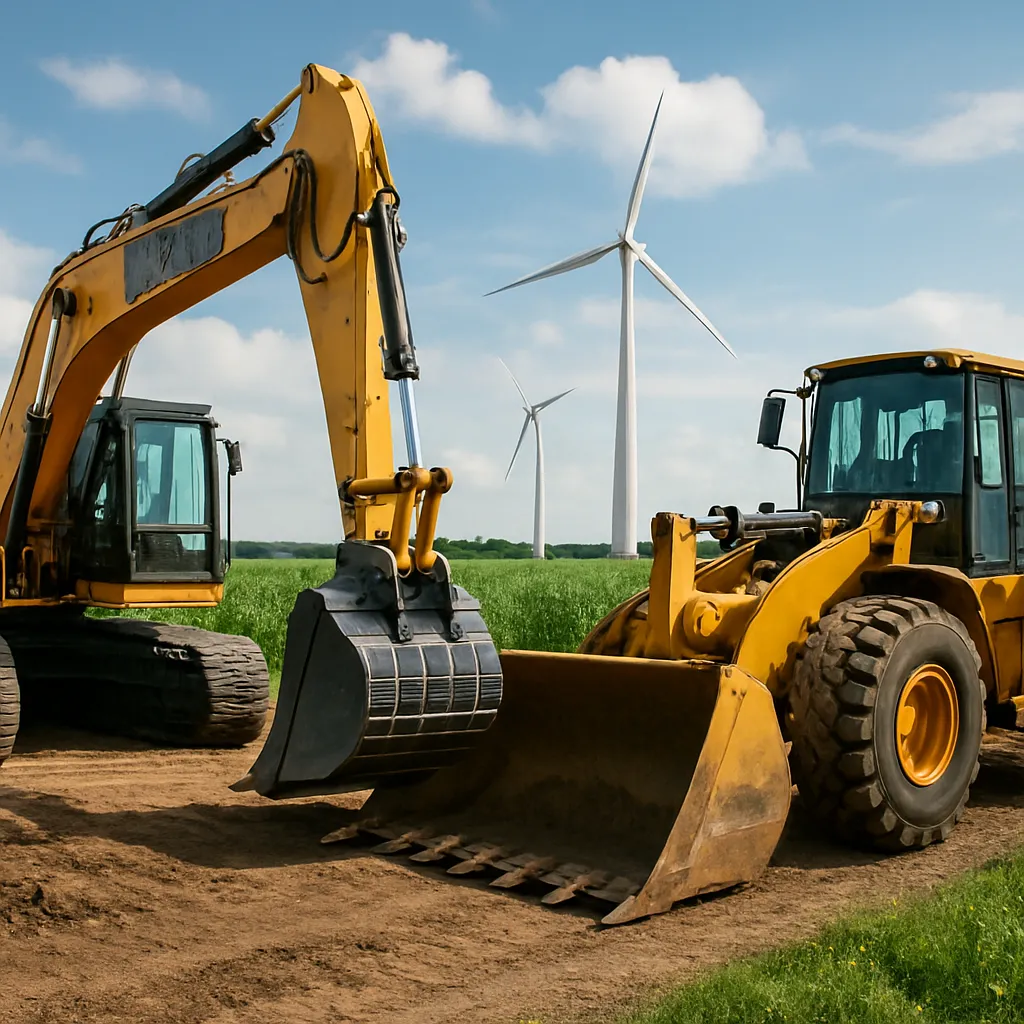
Machines have redefined operational efficiency across sectors. In heavy construction, hydraulic excavators and cranes lift tons of material in minutes, tasks that once required armies of laborers. Today’s architecture relies on tower cranes with load-sensing systems to erect skyscrapers with pinpoint accuracy. These marvels of engineering not only speed up timelines but also enhance safety on bustling job sites.
In manufacturing plants, the adoption of automation has led to leaner processes. Robotic arms perform repetitive actions—welding, painting, packaging—with flawless consistency. Quality control cameras and sensors monitor every production stage, detecting defects smaller than a fingernail. This marriage of robotics and artificial intelligence ensures products meet rigorous standards while reducing waste.
- Automotive robotics improving assembly line throughput
- Precision CNC machining for aerospace components
- Automated packaging systems in food processing
- 3D printing revolutionizing prototyping and small-batch production
Construction Titans: Building the World
On construction sites, machines serve as tireless workhorses. Bulldozers clear land at a pace impossible by hand, while backhoes dig foundations deep into the earth. Pile drivers secure tall structures, and concrete mixers pour foundations without pause. Each machine plays a critical role, ensuring that buildings, bridges, and roads stand the test of time.
Innovations like self-leveling concrete pumps and laser-guided graders have enhanced precision in large-scale projects. By reducing manual labor for hazardous tasks, these machines bolster productivity and workplace safety. Combined with GPS technology, earthmoving equipment can sculpt landscapes to exact specifications, cutting planning margins and material costs.
Essential Construction Equipment
- Excavators and backhoes for earthmoving
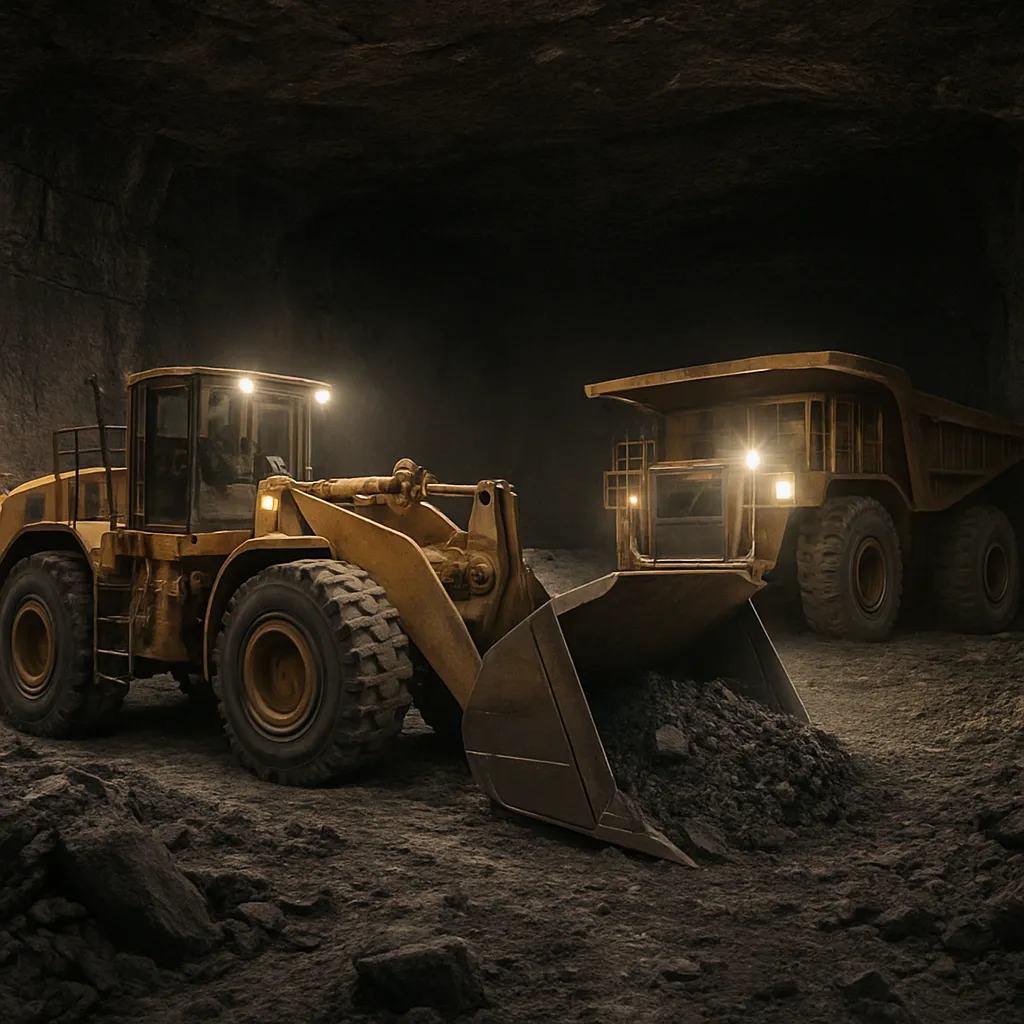
- Loaders and dump trucks for material transport
- Cranes and hoists for lifting heavy components
- Paving machines for roads and runways
Manufacturing Marvels: Crafting Complexity
From microchips to massive turbines, manufacturing machines craft products with astonishing precision. Computer-controlled mills carve components to within microns, essential for industries like aerospace and medical devices. Laser cutters slice through steel, plastic, and wood with edges so clean they require no further finishing.
In electronics, pick-and-place machines assemble circuit boards at breakneck speeds, handling millions of components per shift. Surface mount technology (SMT) lines place resistors and capacitors with such accuracy that devices function reliably under extreme conditions. Meanwhile, injection molding machines churn out billions of plastic parts annually, shaping everything from automotive dashboards to toy figurines.
Robotics and the Rise of Smart Factories
The integration of robotics with data-driven systems has given rise to the concept of the smart factory. Here, interconnected machines communicate in real time, adjusting production flows based on demand, inventory levels, and predictive maintenance alerts. Cloud-based platforms analyze machine performance, identifying wear patterns before breakdowns occur.
Collaborative robots, or cobots, work alongside human operators, taking on tasks that require innovation and dexterity. These robots adapt to changing workpieces, enabling flexible manufacturing for customized products. Their ability to learn from operator behavior reduces programming time and boosts responsiveness to market shifts.
- IoT sensors monitoring machine health
- AI-driven analytics optimizing workflows
- Cobots enhancing human-robot collaboration
- Digital twins simulating production scenarios
Sustainability and the Future of Machinery
As global demands grow, the quest for sustainability gains urgency. Manufacturers are designing machines that minimize energy consumption and waste. Hybrid power systems combine electric motors with diesel engines, reducing greenhouse gas emissions on construction sites and in mining operations.
Advances in materials science are yielding lighter yet stronger machine components, improving fuel efficiency and extending service life. Recyclable alloys and modular designs enable easier refurbishing and end-of-life disassembly. These efforts contribute to a circular economy, where machines become part of a resource-conserving cycle.
Green Technologies in Action
- Electric and hybrid heavy equipment
- Solar-powered remote operations
- Bio-based hydraulic fluids and lubricants
- Automated material sorting for recycling
Challenges and Opportunities Ahead
Despite remarkable gains, the machine-driven landscape faces challenges. Cybersecurity threats loom where networked systems control critical processes. Ensuring machine resilience against hacking is paramount. Additionally, the rapid pace of automation raises concerns about workforce displacement. Upskilling initiatives aim to equip technicians with the expertise to maintain and program advanced machinery.
Yet, opportunities abound. Emerging fields like additive manufacturing promise on-demand production that cuts supply chain dependencies. Nano-engineering could lead to machines at the molecular level, revolutionizing medicine and electronics. Across each domain, the guiding force remains the same: human ingenuity harnessing mechanical prowess to push the boundaries of possibility.