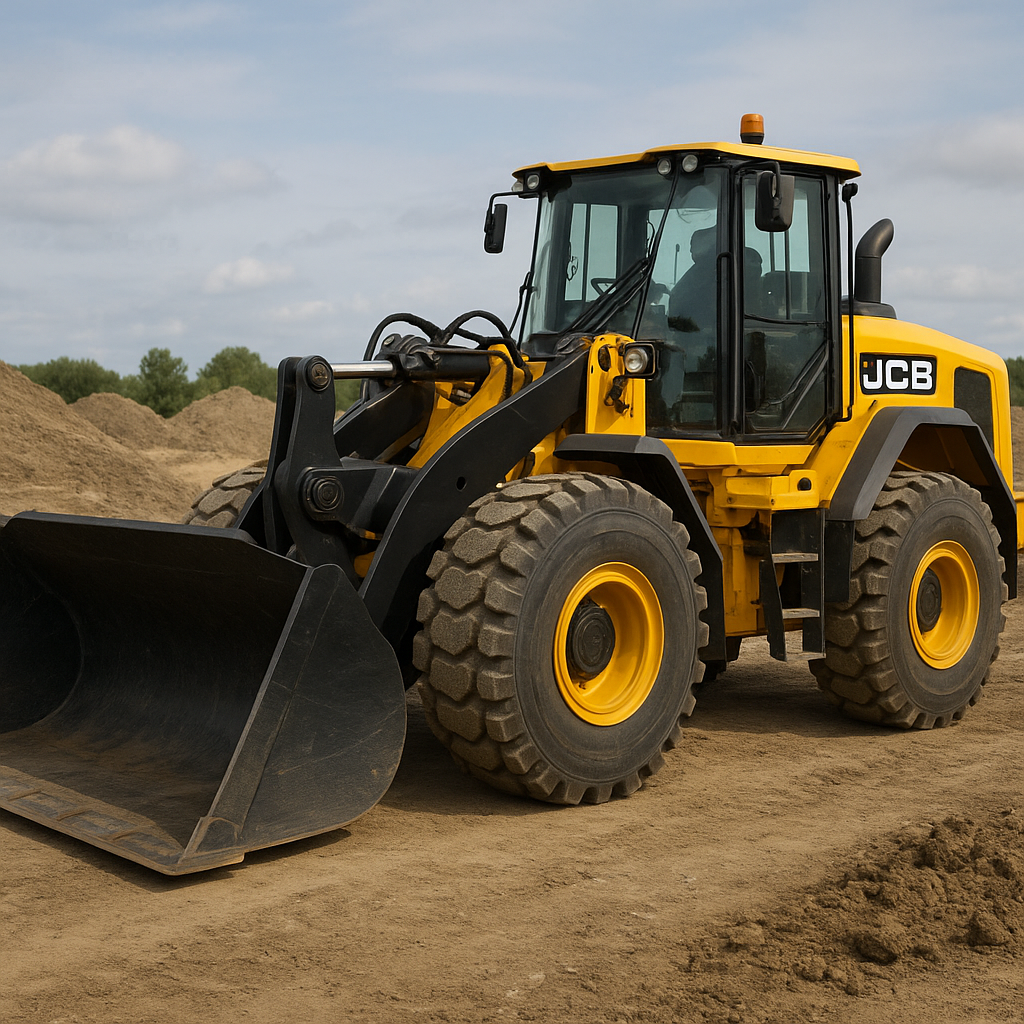
The JCB 457 wheel loader represents a class of medium-to-large construction machines designed to combine **power**, **versatility**, and operator-oriented features for demanding tasks in construction, quarrying, agriculture, and material handling. This article explores the machine’s typical applications, key technical attributes, operational advantages, and practical considerations for fleet managers and operators. Where available, approximate performance figures and common configuration options are provided to give a realistic sense of what to expect from a loader in this category.
Overview and intended uses
The JCB 457 sits within the family of wheel loaders built to handle heavy-duty tasks while maintaining mobility and efficiency on diverse job sites. Wheel loaders like this model are engineered to load trucks, move aggregates, feed crushers or screens, clear snow, and handle bulk materials in ports and industrial yards. The design focus is usually on achieving a balance between **lifting capacity**, manoeuvrability, and fuel economy so that the machine can perform a wide range of activities without excessive operating cost.
Common use cases include:
- Loading dump trucks and hoppers with soil, gravel, sand, or crushed stone.
- Stockpiling and reclaiming bulk materials at quarries and aggregate plants.
- Feeding conveyor belts and crushers in mining and recycling operations.
- Site clearance, landscaping, and earthmoving for civil engineering projects.
- Snow removal and municipal tasks when fitted with appropriate attachments.
Operators value machines in this class for their ability to cycle rapidly between digging and dumping, making them a core asset across numerous industries. The JCB 457’s mix of structural robustness and modern systems aims to minimize downtime while maximizing daily output.
Key technical features and performance characteristics
While specifications can vary depending on configuration, market, and year of manufacture, wheel loaders in the 45x series typically share several technical hallmarks. Below are the features and performance areas you should evaluate when considering a JCB 457 or a comparable model.
Engine and powertrain
- Engine: These machines generally use a turbocharged diesel engine tuned to deliver strong low-end torque for digging and pushing. Typical gross power for machines in this class is often in the range of 150–220 kW (200–295 hp), depending on emissions package and market.
- Transmission: A powershift or hydrostatic transmission option provides smooth and responsive speed control. Many modern loaders include electronic shift controls and adaptive transmission settings to optimize performance under load.
- Axles and driveline: Heavy-duty axles with planetary final drives are common, designed to withstand the high torque and shock loads of quarry or construction work. Limited-slip or differential lock options improve traction in low-grip conditions.
Hydraulics and lifting systems
- Hydraulic system: High-flow, variable-displacement pumps supply hydraulic power for lift and tilt circuits. Fast cycle times and consistent bucket break-out force are crucial for productivity.
- Lift arm design: The loader’s lift arm arrangement (parallel, Z-bar, or hybrid) determines lifting profile, breakout force, and visibility. Z-bar linkages typically favor breakout force for heavy digging, while parallel-lift systems give better material retention at height.
- Bucket options: Bucket capacities for machines in this segment commonly range from 2.5 m3 to 5.0 m3 (cubic meters), depending on material density and desired fill factor.
Performance statistics (typical ranges)
Exact figures depend on the model year and configuration; the following are representative values for a wheel loader of this size and capability:
- Operating weight: approximately 15,000–20,000 kg.
- Rated operating capacity: roughly 3,500–5,000 kg (as per standard loader rating methods).
- Bucket capacity: approximately 2.5–5.0 m3 for general-purpose buckets.
- Breakout force: often between 120–200 kN, depending on linkage and hydraulics.
- Travel speed: top speeds in the range of 35–45 km/h for road transfer variants.
- Fuel tank capacity: commonly between 200–300 liters, providing long operating intervals between refills depending on duty cycle.
Design features that improve productivity
Manufacturers of modern wheel loaders focus on features that directly impact machine uptime and operator productivity. The JCB 457 series emphasizes a selection of these design elements to deliver efficient daily performance:
Operator comfort and controls
- Cab ergonomics: Spacious cabs, adjustable seats, and reduced noise/vibration levels help prevent operator fatigue on long shifts. Climate control and excellent visibility are standard priorities.
- Control systems: Intuitive joystick controls, multi-function displays, and customizable settings allow operators to tune responsiveness and hydraulic flow to specific tasks.
- Safety aids: Rear-view cameras, surround lighting packages, and proximity sensors enhance safety in congested sites.
Maintenance and serviceability
- Access points: Large service doors and ground-level access to daily checkpoints (fluid checks, filters, battery) reduce service time and simplify routine inspections.
- Modular components: Ready availability of common components and modular design choices help speed parts replacement and minimize downtime.
- Diagnostics: Onboard telematics and diagnostic systems detect issues early and allow remote monitoring of health and utilisation metrics.
Attachments and jobsite versatility
One of the major strengths of wheel loaders is their ability to be fitted with a wide variety of attachments, turning a single machine into a multifunctional tool. The JCB 457 supports an extensive attachment palette depending on the task:
- Buckets: General-purpose, high-dump, multi-purpose (4-in-1), rock, and light-material buckets.
- Forks: Pallet forks and log forks for material handling in yards and lumber operations.
- Grapples and sweepers: For recycling, forestry, and municipal cleaning tasks.
- Snow equipment: Ploughs and snow blowers for winter maintenance when required.
- Quick couplers: Hydraulic quick couplers enable rapid attachment changes to reduce downtime between tasks.
Choosing the proper attachment and matching the machine’s hydraulic flow and counterweight to the application are essential to maintain stability and productivity.
Efficiency, emissions, and sustainability
Modern wheel loaders are increasingly designed with environmental performance in mind. Key areas where the JCB 457 and similar loaders can contribute to reduced operating footprint include:
- Engine efficiency: Turbocharged diesel engines with electronic fuel management and selective catalytic reduction (SCR) systems help meet emissions regulations while optimizing fuel consumption.
- Idle management: Automatic engine shutdowns and eco-modes limit wasted fuel during periods of inactivity.
- Material handling efficiency: Optimized hydraulics and load-sensing systems reduce the energy required per cycle, improving tonnes-per-litre performance.
- Telematics: Remote monitoring and fleet management platforms enable operators to track fuel use, idling time, and maintenance needs, supporting data-driven improvements and lower total cost of ownership.
Safety, operator training and operational best practices
Safe operation is critical with large mobile equipment. Best practices for operating a JCB 457 or a comparable wheel loader include a mix of machine features, operator behavior, and site planning:
- Pre-shift inspections: Daily checks of hydraulics, tires, lights, and braking systems catch potential faults early.
- Operator training: Certification and hands-on familiarization increase productivity and reduce accident rates. Training should include attachment use, load charts, and emergency procedures.
- Load management: Avoiding overloading, maintaining proper bucket fill and centre of gravity, and using correct lifting profiles ensure stability.
- Site layout: Dedicated loading paths, staged material piles, and clear separation of pedestrian and machine zones reduce risk.
- Maintenance schedules: Adhering to the manufacturer-recommended service intervals for oil, filters, and hydraulic components keeps the machine reliable and safe.
Lifecycle costs and fleet management
When procuring a loader like the JCB 457, buyers should look beyond purchase price to assess long-term economic performance. Several factors influence lifecycle costs:
- Fuel consumption: Efficient engines and operator habits impact fuel spend significantly over machine life.
- Resale value: Brand reputation, service history, and machine condition determine residual value at trade-in or sale.
- Parts availability: Ready access to genuine parts and local dealer networks reduces repair lead times and can lower costs.
- Uptime and reliability: Machines with conservative design margins, robust cooling systems, and simple service access deliver higher productive hours per year.
- Telematics and utilisation: Data-driven scheduling reduces idle hours and helps allocate machines to the most appropriate tasks, maximizing return on capital.
Comparisons and market positioning
The JCB 457 competes in a crowded field of mid-to-large wheel loaders from other OEMs. Buyers often compare models on parameters such as fuel efficiency, hydraulic performance, operator comfort, and total cost of ownership. Strengths commonly cited for JCB products include innovative linkage designs, operator-focused cab ergonomics, and integrated telematics platforms.
When evaluating competitors, consider these points:
- Which machines offer the best fuel economy in your typical duty cycle?
- How does the available lifting and breakout force translate to on-site cycle times?
- Are there local dealer services and parts available to support fast repairs?
- How do warranty terms and optional service contracts compare between manufacturers?
Maintenance tips and troubleshooting common issues
Routine maintenance ensures longevity and reliability. Practical tips for owners and operators:
- Follow the scheduled replacement of hydraulic and engine filters to protect pumps and injectors.
- Monitor tire condition and pressures daily to prevent premature wear and maintain fuel efficiency.
- Inspect linkage pins, bushings, and bucket wear edges for play or wear—addressing these early prevents major component damage.
- Keep cooling systems clean; dust and debris in quarry environments can quickly reduce cooling efficiency and lead to overheating.
- Use telematics alerts for battery health and charging system anomalies—many charges and alternator problems begin gradually and are detectable early.
Final considerations for procurement and operation
Selecting a JCB 457 or a comparable loader should be based on a clear assessment of intended applications, total cost of ownership, and available support infrastructure. Key steps in the procurement process include defining material densities and cycle requirements, specifying attachments, and aligning finance or rental options with expected usage rates.
Success with this class of wheel loader depends as much on proper matching and operator training as it does on the base machine specification. When optimized for the task, a JCB 457-type loader can deliver high daily outputs, reduced operating costs per tonne, and long-term reliability—making it a valuable asset in construction, aggregate, industrial, and municipal fleets.
)
)