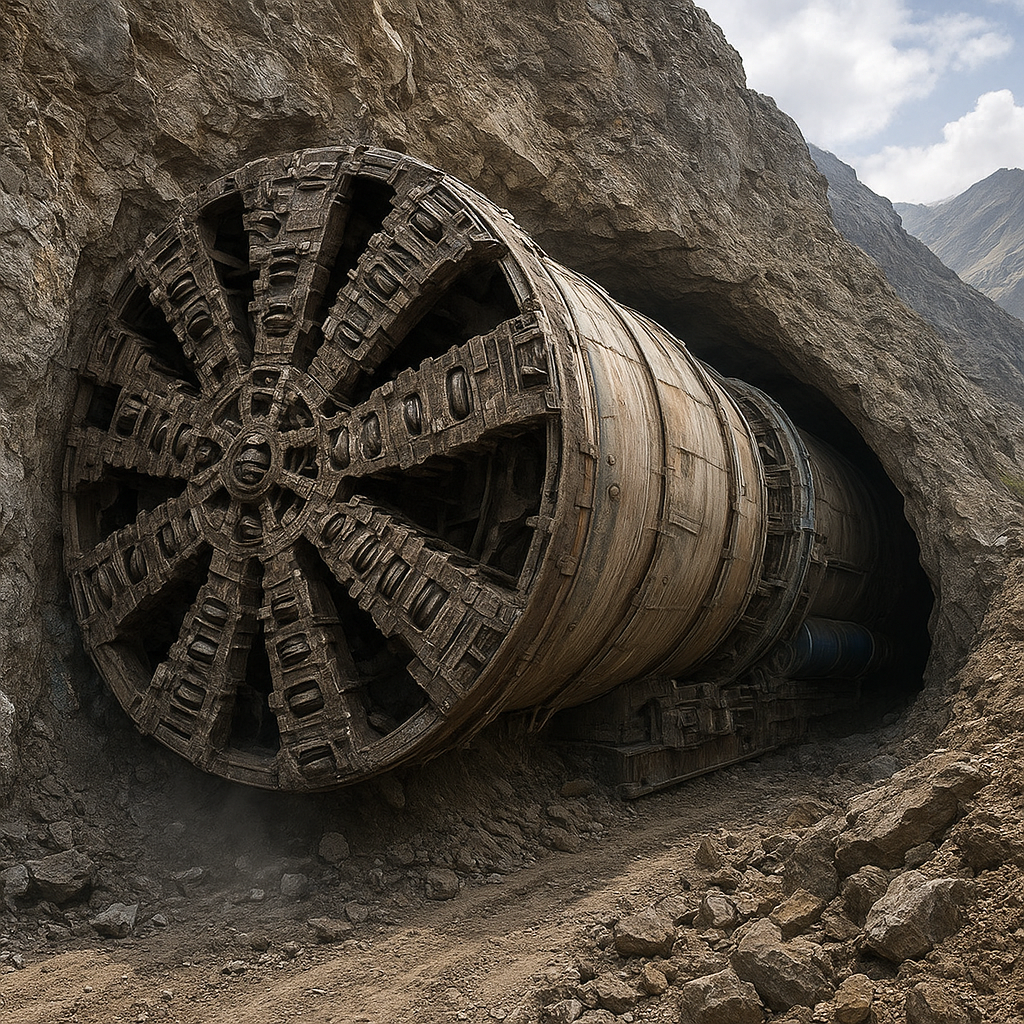
Tunnel boring machines represent a pinnacle of innovation in modern engineering, cutting through rock and soil to create vital pathways beneath mountains and urban landscapes. These colossal devices combine mechanical prowess with advanced analytics systems, enabling construction teams to tackle complex subterranean projects with unprecedented speed and reliability. The operation of these machines involves a blend of meticulous planning, robust design principles, and real-time decision-making to ensure each phase of excavation proceeds smoothly and safely. From selecting the right cutting tools to managing the massive volumes of spoil, the work of TBMs showcases the remarkable achievements of automation and human expertise working in harmony.
Design and Engineering of Cutting-Edge Machines
At the heart of every tunnel boring machine lies a sophisticated array of mechanical, hydraulic, and electrical components. Engineers start with extensive geological surveys to understand ground conditions, mapping variations in rock hardness, fault lines, and water presence. Based on this data, design teams optimize the machine’s robustness by selecting suitable cutter heads, segmental lining systems, and conveyor setups. Key elements include:
- Cutter head assembly – Equipped with disc cutters or drag bits, tailored to handle abrasive granite or soft clay.
- Thrust cylinders – Providing the necessary axial force to press the cutter head against the tunnel face.
- Conveyor and muck management – A continuous belt or slurry pipeline that removes excavated material efficiently.
- Segment erector – Placing precast concrete rings with precision to support the tunnel walls.
Meeting structural integrity standards demands rigorous testing for durability and redundancy. Designers integrate multiple sensors to monitor torque, temperature, and pressure across the machine’s systems. Real-time data feeds into a central control cabin, where operators can adjust thrust, rotation speed, and slurry pressure to maintain optimal performance.
Material Selection and Wear Resistance
Cutter discs face extreme stresses as they crush and shear through rock strata. High-grade alloy steels, enhanced with tungsten carbide inserts, extend wear life and reduce downtime for maintenance. Engineers also apply protective coatings on shield segments to resist abrasive particles and corrosive groundwater. This attention to material science ensures that each component meets rigorous safety and efficiency standards over thousands of operational hours.
Operational Challenges and Real-World Solutions
Excavating a tunnel millions of cubic meters in volume presents numerous technical and logistical hurdles. From unpredictable geology to environmental constraints, project managers rely on a combination of advanced tools and adaptive strategies to keep progress on schedule.
- Groundwater management – Implementing dewatering wells or pressurized slurry systems to control inflows and prevent collapse.
- Face stability – Utilizing forepoling or ground freezing techniques when tunneling through loose soils or mixed-face conditions.
- Vibration and noise control – Applying damping materials and acoustic barriers to minimize disturbance in urban areas.
- Logistics coordination – Aligning continuous spoil removal with supply deliveries for segment rings and support equipment.
Operators must respond swiftly to anomalies detected by the machine’s monitoring network. In instances of sudden rock hardness increases, adaptive control systems automatically reduce rotation speed and increase thrust. When encountering karst voids or unstable gravel, crews may inject grout to stabilize the face before continuing. This blend of automated accuracy and human judgment underlines the critical balance between machine capability and on-site expertise.
Safety Protocols and Emergency Preparedness
Tunnel construction demands stringent safety measures to protect workers and equipment. Redundant ventilation networks supply fresh air and remove dust, while continuous gas monitoring systems detect hazardous levels of methane or carbon dioxide. Emergency shelters are placed at intervals behind the machine, each stocked with communication links, first aid supplies, and self-contained breathing apparatus. Comprehensive training programs ensure personnel are prepared for potential incidents, from flooding events to mechanical failures, underscoring the industry’s unwavering commitment to safety.
Technological Innovations and Future Directions
Recent advances in robotics, data science, and materials technology are reshaping tunnel boring operations. Machine learning algorithms analyze sensor data to predict wear patterns on disc cutters and schedule preventive maintenance. Autonomous towing vehicles transport segment rings and supplies, reducing the need for manual intervention deep underground. Added benefits of these innovations include lower operational costs and minimized downtime.
- Digital twins – Virtual replicas of TBMs that simulate performance under varying geological scenarios.
- Wearable exoskeletons – Enhancing worker endurance and reducing fatigue during maintenance tasks.
- Fiber-optic monitoring – Providing high-resolution strain and temperature data along the tunnel lining.
- Renewable power integration – Using solar arrays at portal sites to supply sustainability-focused energy sources.
Looking ahead, the integration of cloud-based command centers will enable multinational teams to collaborate on tunnel projects in real time. Engineers in remote offices can adjust machine parameters, analyze live progress reports, and troubleshoot issues before they escalate. This trend toward automation and distributed decision-making promises to accelerate tunnel delivery timelines and expand the feasibility of ultra-long underground passages beneath mountain ranges and metropolitan areas alike.
Environmental Impact and Community Engagement
Modern TBM projects prioritize minimizing ecological disturbance and fostering local support. Spoil management plans often involve recycling excavated material for landscaping or road construction, significantly reducing landfill waste. Continuous noise and dust monitoring stations keep nearby communities informed, and transparent communication channels address public concerns. These collaborative efforts enhance the reputational resilience of infrastructure developers and establish trust that extends beyond the lifespan of a single tunnel project.
Case Studies: From Alpine Passes to Urban Transit
Iconic TBM ventures around the globe highlight the remarkable capabilities of these machines. The Gotthard Base Tunnel in Switzerland, stretching over 57 kilometers beneath the Alps, required custom TBMs designed to withstand high overburden pressures and intense ground heat. In Tokyo, slender machines carved metro lines under densely built neighborhoods without disrupting surface activities. Each success story underscores the significance of collaboration among geologists, engineers, and community stakeholders in delivering complex subterranean networks.
- Overcoming high geothermal gradients by integrating advanced cooling circuits.
- Adapting cutter head designs to manage abrupt stratigraphic changes.
- Leveraging real-time data analytics for proactive maintenance scheduling.
The knowledge gained from these projects informs the next generation of TBM designs, further enhancing efficiency and reducing environmental footprints. As global demand for new transportation corridors and utility conduits grows, the ongoing evolution of tunnel boring technology remains central to building resilient, sustainable underground infrastructure.