The construction of offshore wind farms relies on an intricate network of modern machines and cutting-edge technologies. From massive installation vessels to advanced pile driving rigs, each component plays a vital role in ensuring efficiency, reliability, and robust performance in challenging marine environments. The seamless coordination of these machines accelerates project timelines and underpins the renewable energy transition.
Specialized Vessels for Offshore Assembly
At the heart of any offshore wind project lies the fleet of specialized vessels designed to transport, position, and secure wind turbine components on the seabed. These ships feature dynamic positioning systems that maintain precise station-keeping using a combination of thrusters and GPS feedback. This precision is crucial when handling multi-hundred-ton turbine components in deep water.
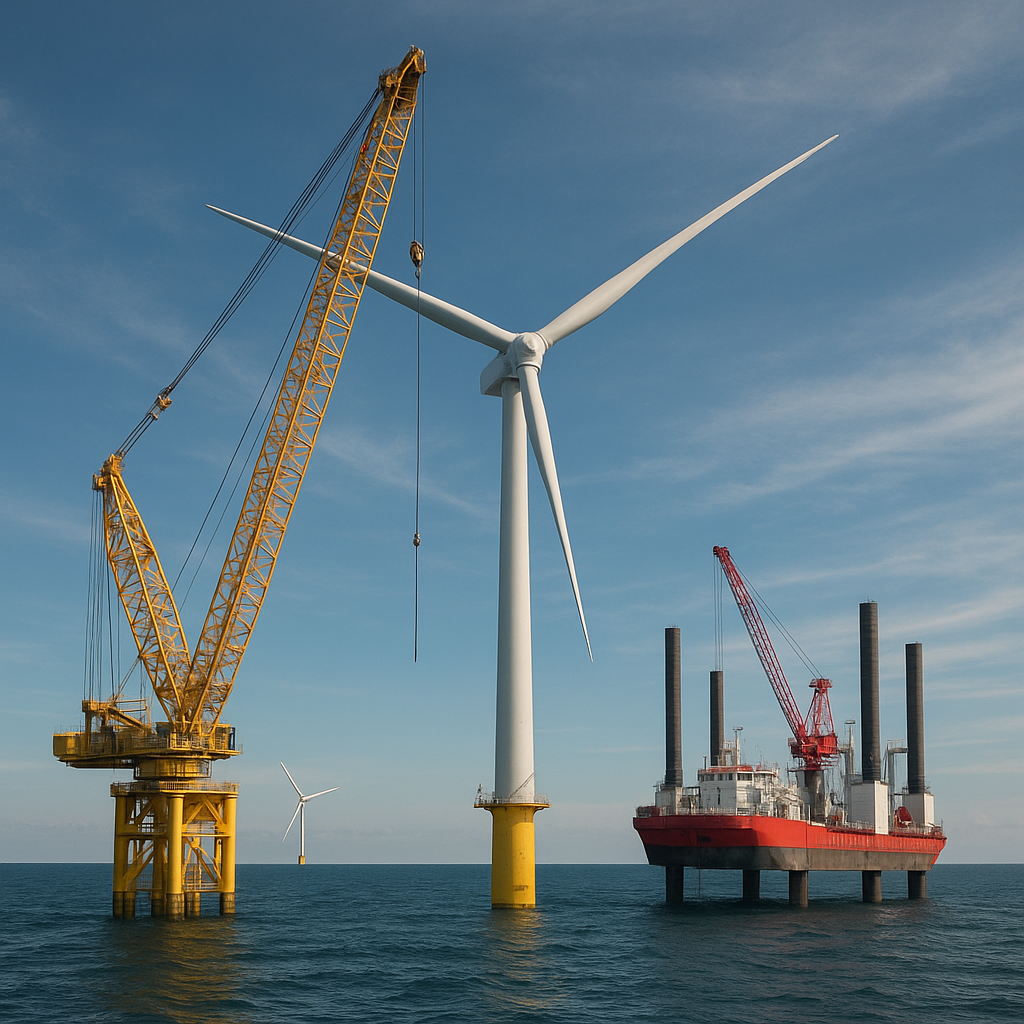
- Installation Vessels: Equipped with heavy-duty cranes and reinforced decks, these vessels lift turbine towers, nacelles, and blades, aligning them with foundation structures fixed to the seabed.
- Jack-up Barges: Using extendable legs that anchor into the seabed, jack-ups create a stable platform for offshore construction. This mobility between sites and ability to resist wave motion ensure safe and accurate assembly.
- Service Operation Vessels (SOVs): Designed for maintenance and inspections, SOVs house technicians and carry smaller cranes and remotely operated vehicles (ROVs) for underwater tasks.
Innovations in vessel design focus on reducing fuel consumption and carbon footprints. Hybrid propulsion systems, featuring a mix of diesel engines and batteries, optimize power use during transit and station-keeping. Integrated automation assists crew members in monitoring load stress, wind conditions, and vessel stability, minimizing human error.
Heavy Lifting Equipment and Crane Technologies
The heart of every offshore installation lies in the lifting operations performed by high-capacity cranes. These cranes must handle extreme loads with minimal sway and high safety margins. Recent developments in crane technology have produced machines capable of lifting over 2,000 metric tons at booms extending beyond 100 meters.
High-Capacity Offshore Cranes
Modern offshore cranes employ advanced hydraulic systems combined with variable-speed electric motors. This hybrid configuration enhances load control and reduces fuel usage. Integrated sensors track boom angle, load weight, and wind speed, feeding real-time data to onboard computers for optimization of each lift.
Active Heave Compensation
One of the greatest challenges at sea is wave-induced motion. Active heave compensation (AHC) systems counteract vertical movement by adjusting the crane hook position in real time. This technology uses motion sensors on both the vessel and the lift block, ensuring the hook remains steady relative to the turbine component. The result is safer lifts, fewer delays, and less stress on structural members.
In addition, modular crane designs allow for rapid transport and assembly of these massive machines. Cranes arrive onshore as disassembled sections and are reassembled using local crews and smaller support cranes, streamlining the deployment process.
Subsea Installation and Foundation Techniques
Foundations secure turbines against powerful waves and currents. The choice between monopiles, jackets, and floating structures depends on water depth, seabed composition, and local regulatory requirements. Each foundation type demands specialized machinery for installation and subsea operations.
- Monopile Drivers: Hydraulic hammers and vibratory drivers install giant steel piles directly into the seabed. These machines deliver controlled blows to penetrate hard soil layers without compromising pile integrity.
- Jacket Installation Frames: Heavy-lift frames align and place three- or four-legged jacket foundations. These frames clamp onto the jacket structure, stabilizing it during transport and lowering into position with millimeter-level accuracy.
- Remote Operated Vehicles (ROVs): ROVs perform inspection, alignment checks, and subsea grouting tasks. Equipped with high-definition cameras and manipulator arms, ROVs deliver precise control in deep-water environments.
Grouting machines pump cementitious compounds between the foundation and the transition piece, filling gaps that could accelerate corrosion or compromise structural stability. Automated grout mixers ensure the correct mix ratio and consistency, preventing cold joints and ensuring long-term durability.
Automation, Data Integration, and Future Trends
Digital transformation has revolutionized offshore wind construction through automation and integrated data platforms. From vessel navigation to crane operations and subsea monitoring, data-driven systems enhance efficiency and decision-making.
IoT and Sensor Networks
Embedded sensors on every piece of equipment collect performance metrics, environmental data, and structural health indicators. These data streams feed cloud-based analytics engines that predict maintenance needs, optimize equipment usage, and reduce downtime.
Augmented Reality (AR) for Offshore Operations
AR headsets enable offshore technicians to visualize complex assembly steps, overlay schematics onto real-world components, and receive remote expert guidance. This technology shortens training cycles, improves safety, and speeds troubleshooting.
Robotics and Unmanned Systems
Cutting-edge robotic arms and autonomous underwater vehicles (AUVs) are taking over repetitive or high-risk tasks. Robotic pile drivers and grouting devices operate continuously, unaffected by fatigue or weather constraints, boosting project timelines.
Looking to the future, floating wind farms will introduce new machines such as dynamic mooring installers and tensioned-anchor robots. These developments will further push the boundaries of marine engineering and sustainability.