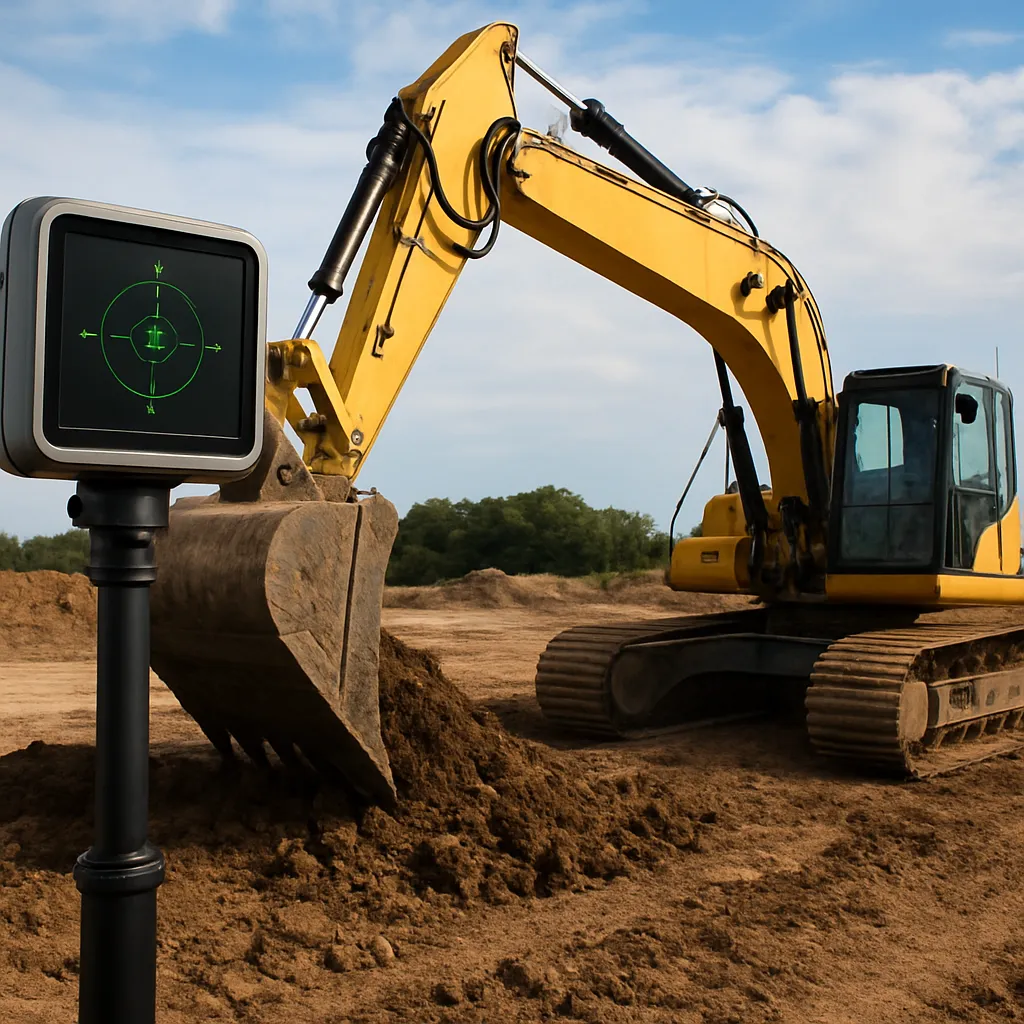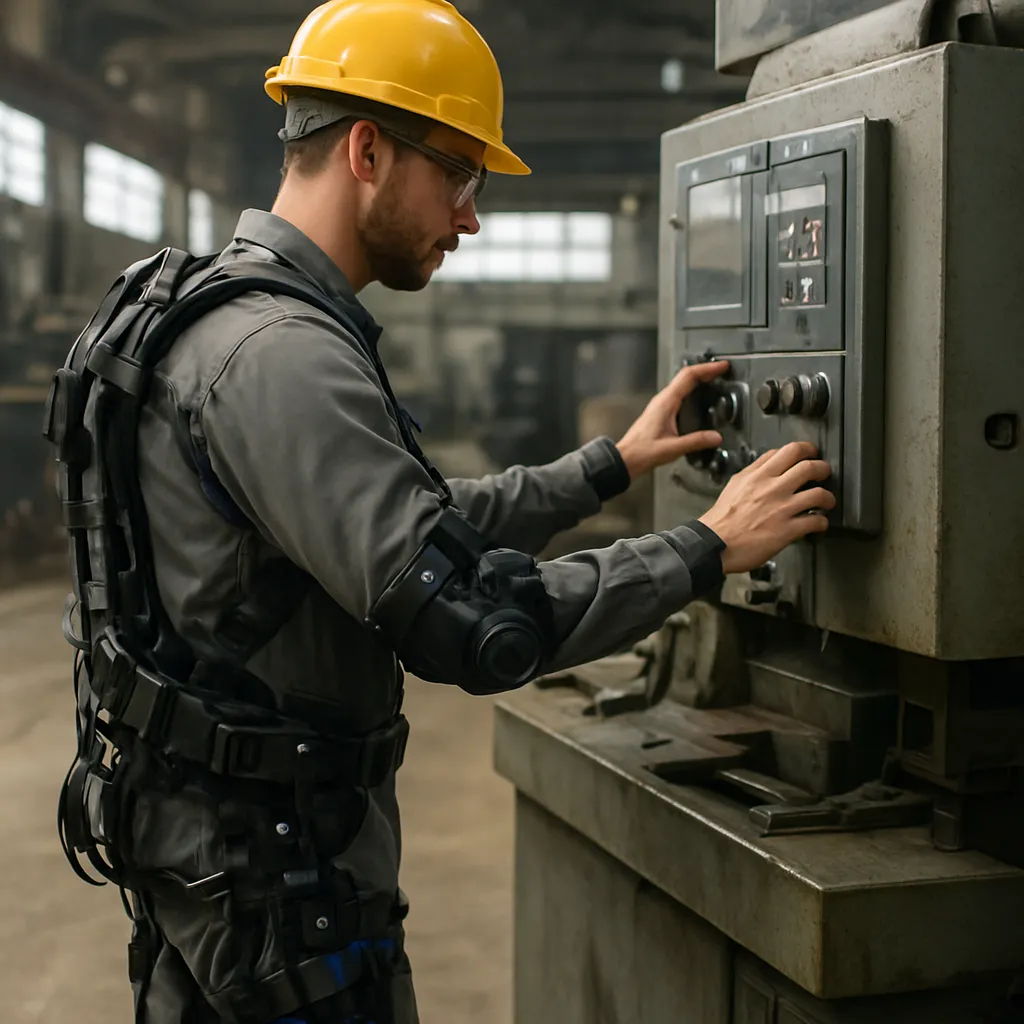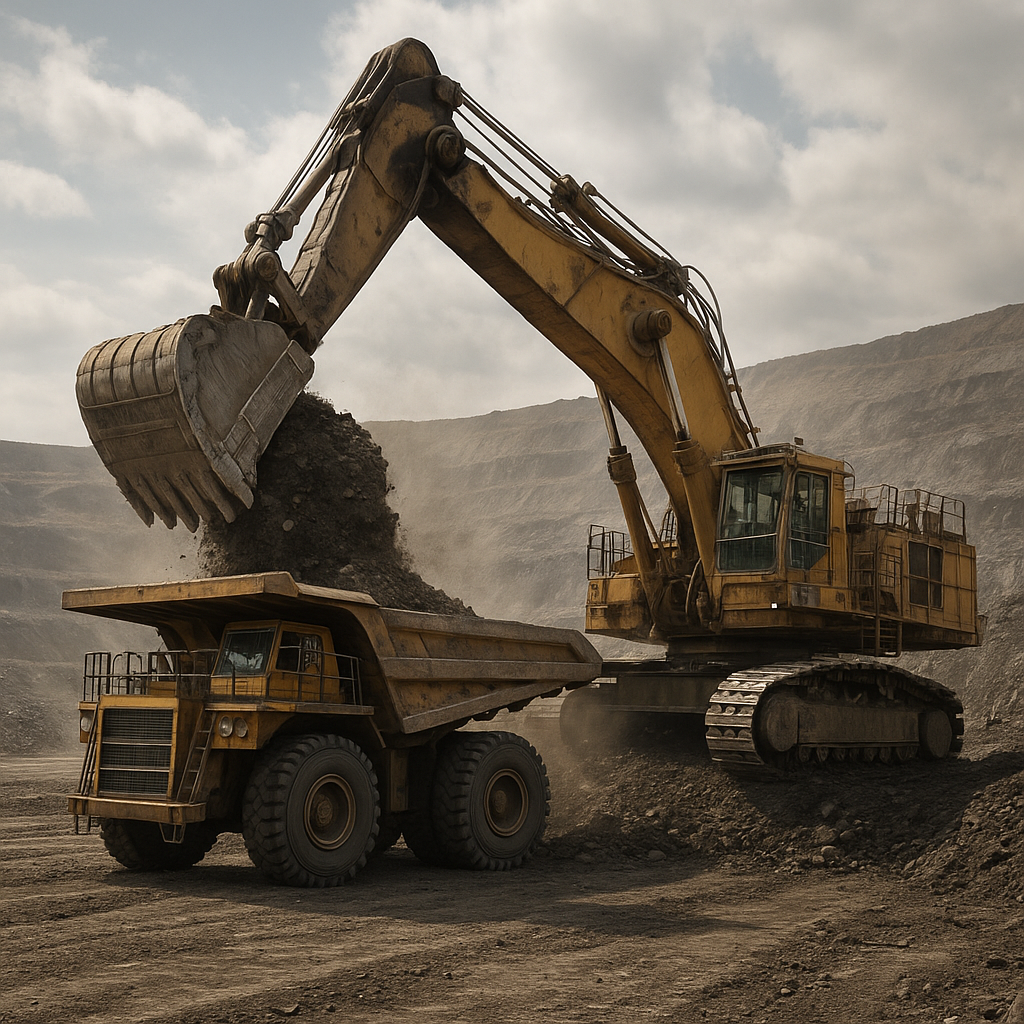
The remarkable scale of modern mining operations rests heavily on the power and precision of machines designed to move vast quantities of earth. In open-pit quarries and large-scale resource extraction sites, specialized equipment undertakes monumental tasks every day. From initial excavation to material handling and transport, these complex systems are orchestrated to maintain continuous output while adhering to stringent environmental and safety standards.
Evolution of Mining Excavators
Early Beginnings and Steam Power
Mining excavators trace their roots back to the 19th century, when steam engines revolutionized underground and surface operations. At first, massive shovels and draglines cut coal and ore with limited mobility. Despite the crude technology, these pioneers laid the groundwork for future improvements in efficiency and capacity.
Transition to Diesel and Hydraulics
The mid-20th century witnessed a shift to diesel-powered machines. Diesel engines offered greater power-to-weight ratios, enabling larger buckets and improved digging cycles. Hydraulic systems soon replaced cable hoists, granting smoother control and faster responses. This marked an era of enhanced reliability and operational flexibility.
Modern Electric and Automated Excavators
Today’s excavators often integrate electric drive systems and advanced automation. Electric drive reduces fuel consumption and emissions, while computer-assisted controls optimize digging patterns and bucket placement. These leaps in technology underpin the relentless pursuit of higher production rates and reduced downtime.
Daily Operations and Maintenance
Pre-Shift Inspections
A structured routine begins each day with thorough visual checks and sensor diagnostics. Operators examine hydraulic lines, undercarriage components, and track tension to ensure fault-free performance. Rapid detection of wear on pins and bushings prevents costly failures and supports uninterrupted workflow.
High-Capacity Digging Cycles
Excavators assigned to high-volume tasks follow precise timing for each bucket cycle. Sophisticated onboard cameras and load sensors communicate with dispatch systems, coordinating haul trucks in real time. This choreography enhances site-wide throughput while minimizing idle time.
Routine Maintenance and Repairs
To sustain near-continuous operation, maintenance crews adhere to a rigorous schedule. Tasks include:
- Hydraulic fluid replacement and filter changes
- Wear part inspections, such as teeth and cutting edges
- Lubrication of slew rings and pivot points
- Software updates for diagnostic modules
Preventive measures reduce the frequency of unplanned stoppages and extend component life, reinforcing overall reliability.
Innovations and Future Trends
Autonomous and Remote-Controlled Systems
Remote operation centers now manage excavators from safe distances, eliminating human exposure to unstable ground and hazardous dust. Autonomous digging routines leverage artificial intelligence, enabling machines to adapt to varying geological conditions without constant human intervention. This paradigm shift boosts both safety and productivity.
Energy Efficiency and Electrification
As global focus turns toward decarbonization, manufacturers are unveiling heavy-duty electric and hybrid excavators. These machines harness grid power or onboard battery packs, cutting down on greenhouse gas emissions and operational costs. Regenerative braking systems capture energy during swing movements, further optimizing power consumption.
Data-Driven Performance Management
Advanced telematics platforms collect real-time data on fuel usage, machine health, and productivity metrics. Site managers use dashboards to identify performance bottlenecks and adjust work schedules accordingly. Predictive analytics forecast component wear, enabling preemptive maintenance and minimizing unplanned downtime.
Environmental and Safety Considerations
Dust Suppression and Noise Control
Excavators generate significant airborne particulate matter during digging. Integrated water spray systems and sealed hydraulic enclosures reduce dust emissions. Acoustic enclosures around engines and pumps lighten the noise footprint, ensuring compliance with environmental regulations.
Operator Ergonomics and Cab Design
Modern cabs are engineered for maximum comfort and visibility. Climate control systems maintain optimal temperatures in extreme weather, while vibration-dampening seats lessen operator fatigue. Intuitive joystick controls and heads-up displays improve precision, adding to operational efficiency.
Reclamation and Sustainability Practices
Post-mining landforms often require extensive rehabilitation. Excavators equipped with specialized attachments—such as slope graders and soil compactors—reshape and stabilize disturbed areas. Collaboration with environmental engineers ensures that final land contours support vegetation growth and prevent erosion, aligning with long-term sustainability goals.
Mechanical linkages and advanced materials continue to push the limits of what mining excavators can achieve. Innovative high-strength alloys and wear-resistant coatings extend component life under extreme loads. Combined with digital twins—virtual replicas of machines used for simulation—these advancements promise even greater strides in optimization and resource stewardship. The merging of traditional mechanical engineering with cutting-edge electronics and software positions today’s excavators at the forefront of industrial progress, ready to tackle the challenges of tomorrow’s mining landscape.