Machines have become indispensable allies in mitigating the impact of natural calamities, transforming the way societies prepare for and recover from catastrophic events. From high-altitude monitoring to deep-sea exploration, advanced technology enables rapid detection and effective response, ensuring communities around the globe gain crucial time and insight when facing unpredictable hazards.
High-Tech Early Warning Systems Enhance Disaster Detection
Long before winds reach gale force or rivers overflow their banks, modern monitoring networks stand vigilant. Ground-based seismographs, ocean buoys and weather radars feed real-time data into centralized platforms powered by artificial intelligence. This convergence of instruments forms the backbone of early-warning frameworks, drastically reducing casualties and economic losses.
- Spaceborne satellites equipped with infrared and radar scanners scan cloud formations, volcanic plumes and coastal waters, spotting anomalies hundreds of miles away.
- Terrestrial sensors record ground motion, pore pressure and gas concentrations near fault lines or volcanic craters, triggering immediate alerts when thresholds exceed safe limits.
- Machine learning algorithms analyze historical records alongside live feeds, recognizing subtle patterns that evade human observers and issuing forecasts up to days in advance.
By harnessing these innovations, authorities issue timely evacuation orders for hurricanes, wildfires or tsunamis, protecting millions who might otherwise remain unaware of imminent threats.
Unmanned Aerial Vehicles Accelerate Search and Rescue
When roads are impassable and communication lines severed, aerial assets rise to the challenge. Unmanned platforms deploy within minutes, offering an aerial vantage for assessing damage, locating survivors and mapping safe corridors. Their agility and range bolster traditional rescue teams, making operations faster and safer.
- Long-endurance drones can remain aloft for hours, transmitting high-definition imagery to ground stations for rapid situational awareness.
- Thermal cameras spot human heat signatures under rubble or dense foliage, guiding ground teams to trapped victims with pinpoint accuracy.
- Payload modules deliver emergency supplies—water, medical kits or communication beacons—to isolated locals awaiting extraction.
These unmanned systems redefine agility in disaster zones, allowing responders to focus on critical tasks rather than navigating hazardous terrain.
Ground and Underwater Robots Operate in Extremes
In environments too perilous or inaccessible for humans, specialized robots carry the weight. Designed to endure high radiation, toxic gases or crushing depths, these mechanical explorers gather data and perform interventions without risking lives.
Robots in Collapsed Structures
- Compact tracked units equipped with LiDAR and sonar slip through voids in collapsed buildings, relaying three-dimensional scans to command centers.
- Articulated arms delicately clear debris or deliver medical packs, stabilizing precarious passages until larger rescue crews can advance.
Autonomous Submersibles in Flooded Regions
- Remotely operated underwater vehicles chart submerged infrastructures—bridges, pipelines and debris fields—after floods or dam breaches.
- High-pressure housings and multi-beam sonar systems map riverbeds or coastal shelves, aiding reconstruction and preventing further erosion.
These automated agents extend human reach into zones once deemed off-limits, gathering intelligence that shapes both immediate tactics and long-term recovery plans.
Heavy Machinery Restores Infrastructure and Boosts Resilience
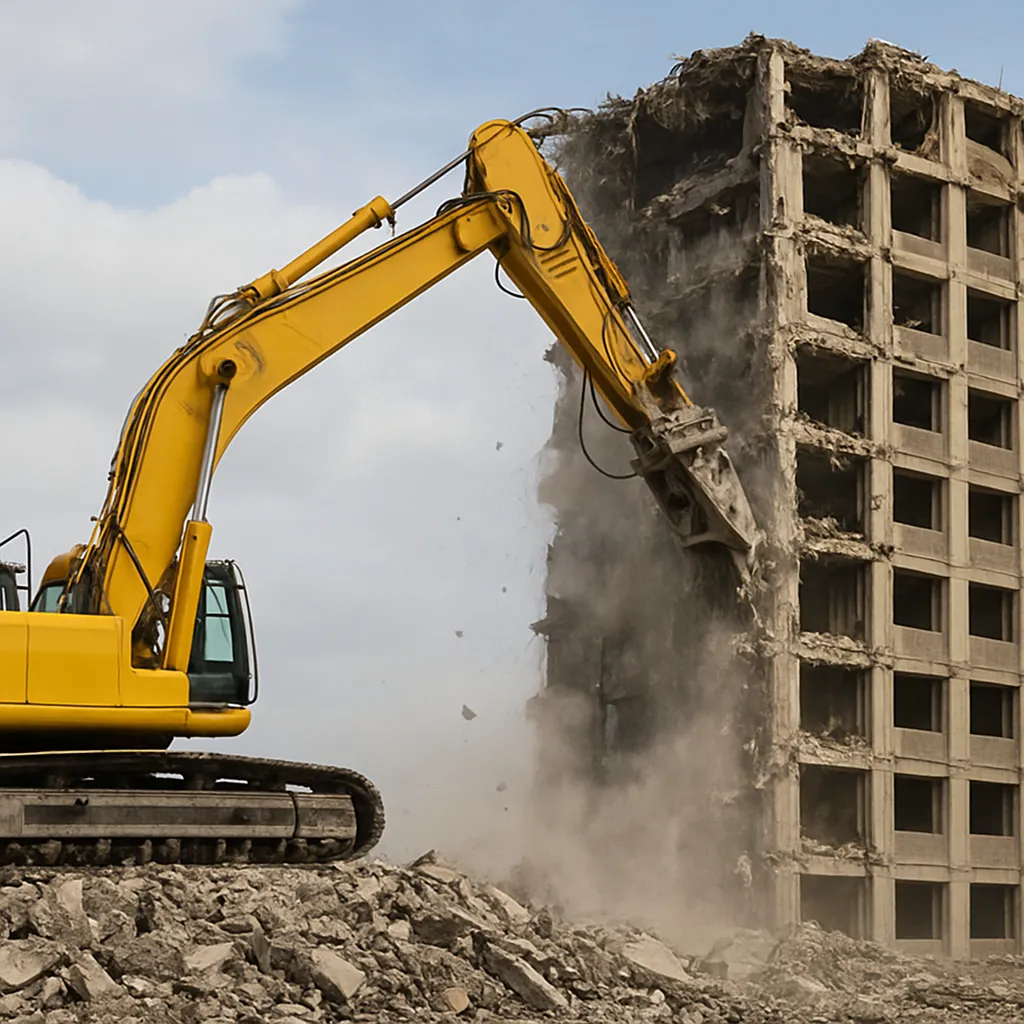
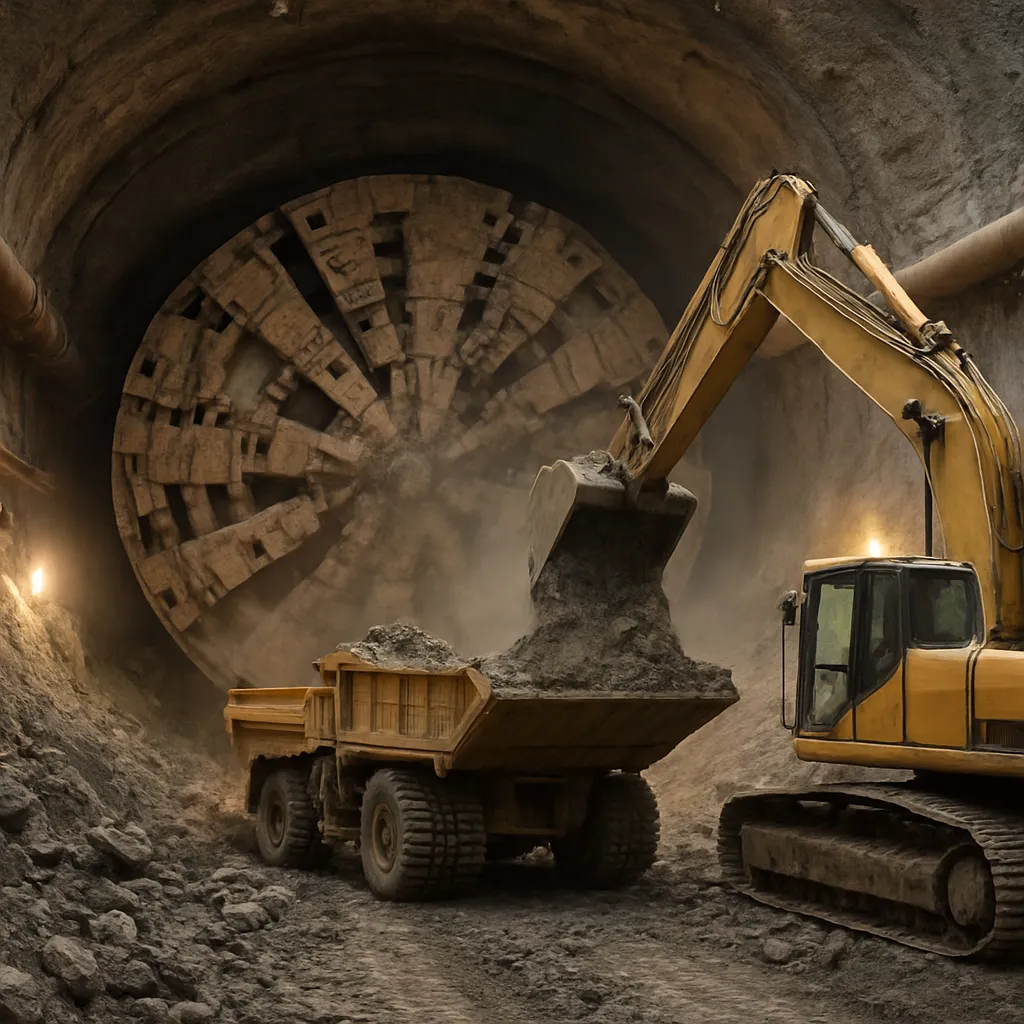
After the initial emergency passes, colossal engines kick into high gear. Excavators, cranes and specialized earthmovers labor hour after hour, rebuilding roads, clearing collapsed tunnels and reconstructing levees. Their raw power and precision expedite the restoration of critical lifelines.
- Multi-axis cranes hoist large prefabricated concrete segments into place, accelerating bridge and overpass repairs.
- Track-based excavators equipped with rock crushers and compaction tools shape unstable terrain for new foundations.
- Amphibious bulldozers operate effectively in marshy or waterlogged areas, reinforcing riverbanks and building temporary floodwalls.
The coordinated deployment of this heavy equipment reduces downtime for utilities, transportation and commerce, reinforcing community resilience against subsequent episodes.
Artificial Intelligence Orchestrates Smarter Coordination
While hardware executes tasks in the field, intelligent software weaves together diverse datasets to optimize resource allocation. From emergency call centers to logistics hubs, AI-driven platforms analyze incoming requests, forecast supply needs and orchestrate personnel assignments with unprecedented efficiency.
- Predictive models forecast aftershock probabilities or flood patterns, enabling pre-positioning of relief supplies in high-risk zones.
- Natural language processing processes social media posts and distress messages, identifying hotspots where human teams are urgently required.
- Dynamic routing algorithms guide fleets of trucks, drones or rescue units along the fastest, safest paths, even as conditions evolve.
This digital nerve center transforms isolated efforts into a cohesive operation, maximizing impact while minimizing waste.
Emerging Trends: Toward Fully Automated Disaster Management
Looking ahead, collaboration between autonomous machines promises a paradigm shift in hazard mitigation. Swarms of micro-drones equipped with environmental sensors will patrol vast territories, relaying live data to floating data centers. Self-healing materials and 3D-printing robots may rebuild damaged structures on demand, while next-generation communication networks ensure uninterrupted connectivity in the direst circumstances.
- Swarm intelligence enables hundreds of miniaturized UAVs to collaborate on large-scale surveys, mapping forest fires or oil spills in real time.
- IoT-enabled infrastructures automatically adjust dam gates or flood barriers based on upstream water levels and weather forecasts.
- Advanced robotics coupled with additive manufacturing churn out modular shelters and repair components directly on site, slashing transportation delays.
These advancing technologies epitomize human innovation in the face of relentless natural forces, offering hope that future generations will endure fewer losses when the next crisis strikes.