Highway construction has entered a new era where cutting-edge machines redefine speed and quality. By combining automation, advanced materials, and real-time data insights, modern crews are transforming miles of asphalt into durable roadways faster than ever before. This article explores the key technologies and practices that make this possible.
Innovative Paving Technologies
The heart of rapid highway building lies in breakthroughs within the paving process. Traditional methods required multiple passes and extensive manual oversight. Today’s machines incorporate precision sensors and dynamic controls to ensure each layer meets strict standards.
Automated Milling and Grinding
Milling machines equipped with laser-guided systems can remove worn pavement at a uniform depth. These units employ:
- High-torque Drums that pulverize old layers efficiently
- Real-time Depth Control to maintain consistent removal across uneven terrain
- Dust Suppression Systems that keep workzones cleaner and safer
The result is a perfectly leveled surface ready for the next phase of construction—without delays caused by rework or uneven removal.
Intelligent Material Laydown
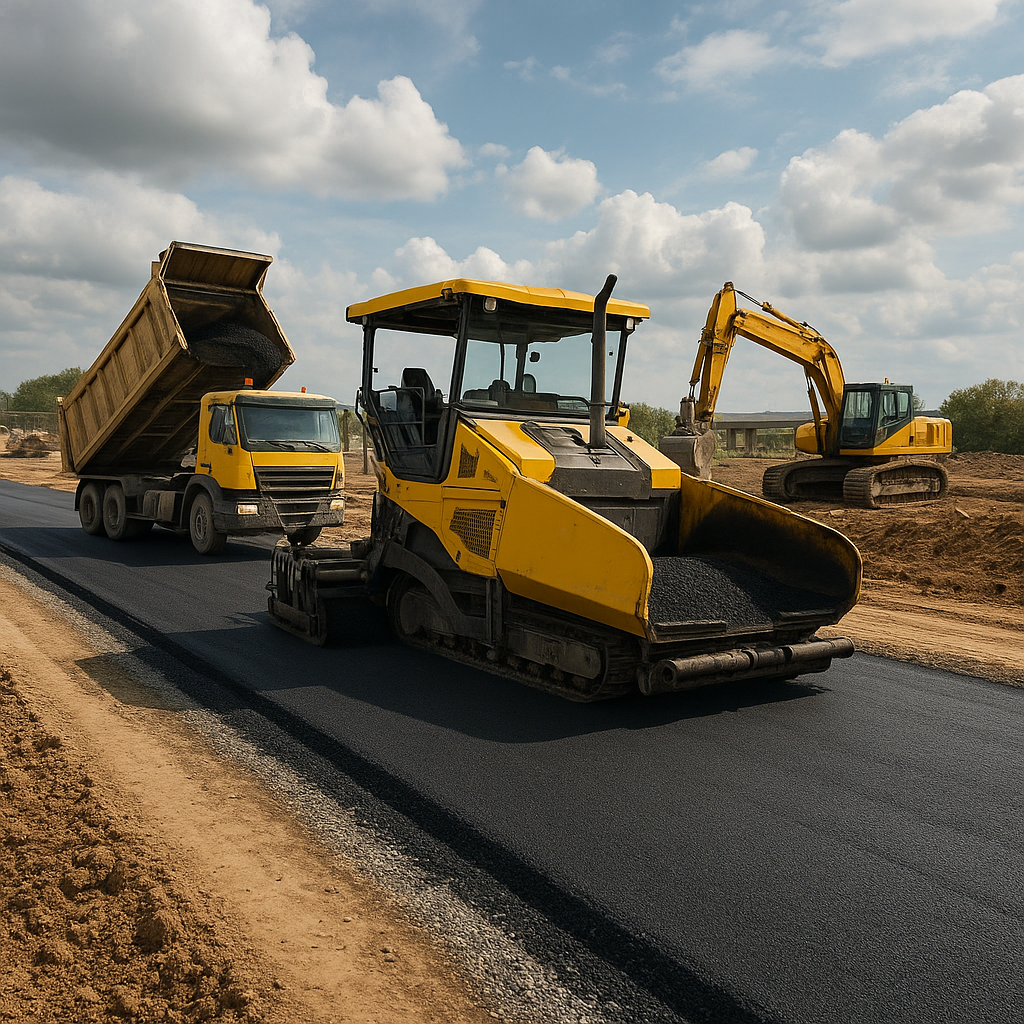
After milling, the process of laying new asphalt is equally innovative. Modern pavers use material flow sensors that adjust the feed rate based on:
- Temperature fluctuations in the mix
- Desired density targets
- Travel speed and slope changes
This automation-driven approach reduces waste and ensures consistent compaction. Crews can focus on monitoring quality parameters rather than manually adjusting each section.
Robotics and Automation in Construction
Robotic systems are carving out a vital role in highway projects. With the introduction of autonomous units, labor-intensive tasks become faster and safer, boosting overall productivity.
GPS-guided Machinery
Global Positioning System (GPS) technology integrated into construction equipment allows for centimeter-level accuracy. Key features include:
- Automated Steering that follows pre-planned routes without human intervention
- Digital Elevation Models ensuring proper grading and slope
- Geofencing alerts to prevent machinery from straying into restricted zones
By using GPS guidance, operators can maintain efficiency even in low-visibility conditions, such as nighttime work or bad weather.
Autonomous Road Layer Robots
Newly developed road layer robots take on repetitive tasks like spreading aggregate or compacting fresh asphalt. Equipped with lidar and vision systems, they can:
- Detect surface anomalies in real time
- Adjust pressure distribution during compaction
- Coordinate movements with other robotic units to avoid collisions
Such coordination leads to a smoother surface and fewer joints—ultimately improving durability and ride comfort for motorists.
Advanced Materials and Composites
Materials science has contributed significantly to faster road construction by introducing blends that cure quicker and last longer.
Recycled Asphalt Mixes
Utilizing reclaimed asphalt pavement (RAP) reduces the need for virgin aggregates and lowers project costs. Engineers have perfected processes to ensure:
- Optimal blending of old and new asphalt
- Uniform temperature distribution during reheating
- Retention of mechanical properties comparable to fresh mixes
This focus on sustainability not only speeds up material sourcing but also contributes to greener construction practices.
Self-healing Binders
Research into polymer-modified binders has yielded mixtures capable of repairing micro-cracks autonomously. Key benefits include:
- Embedded microcapsules that release rejuvenators under stress
- Extended pavement life, reducing the frequency of overlays
- Enhanced resistance to freeze-thaw cycles
By minimizing maintenance interventions, these composites increase overall resilience of highway networks.
Data Analytics and Predictive Maintenance
Beyond hardware and materials, leveraging data has become essential for optimizing schedules and preventing costly downtime.
Real-time Monitoring
Modern machines are outfitted with IoT sensors that relay information on engine performance, hydraulic pressures, and component wear. Field managers can:
- Track fuel consumption and idle times
- Receive alerts when parts approach failure thresholds
- Adjust operational parameters to extend service intervals
Such insight-driven maintenance ensures machines remain operational precisely when needed, maximizing site productivity.
Machine Learning Algorithms
Advanced analytics platforms apply machine learning to historical and live data streams. These systems can:
- Predict maintenance windows before breakdowns occur
- Optimize equipment dispatch based on project timelines
- Analyze paving quality metrics to refine future plans
By anticipating issues and streamlining workflows, construction teams achieve a new level of efficiency in highway delivery.