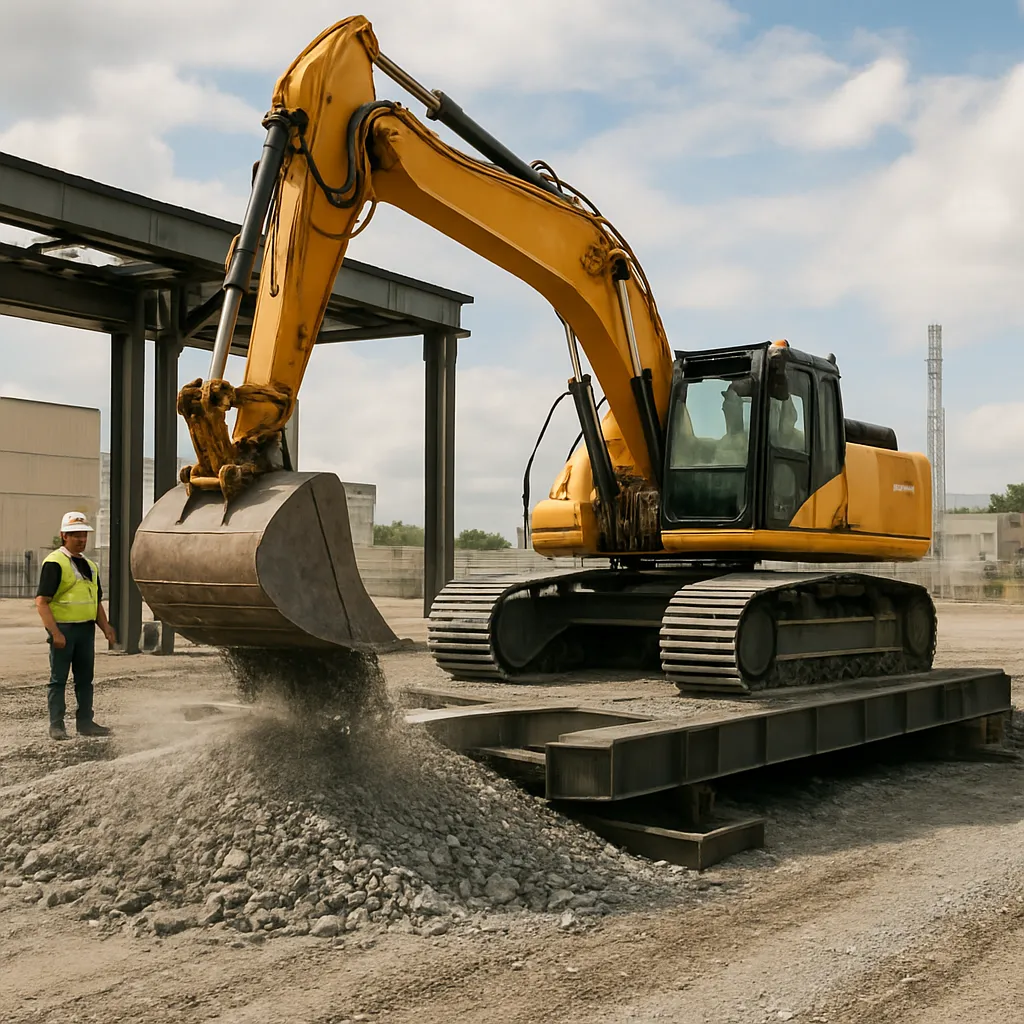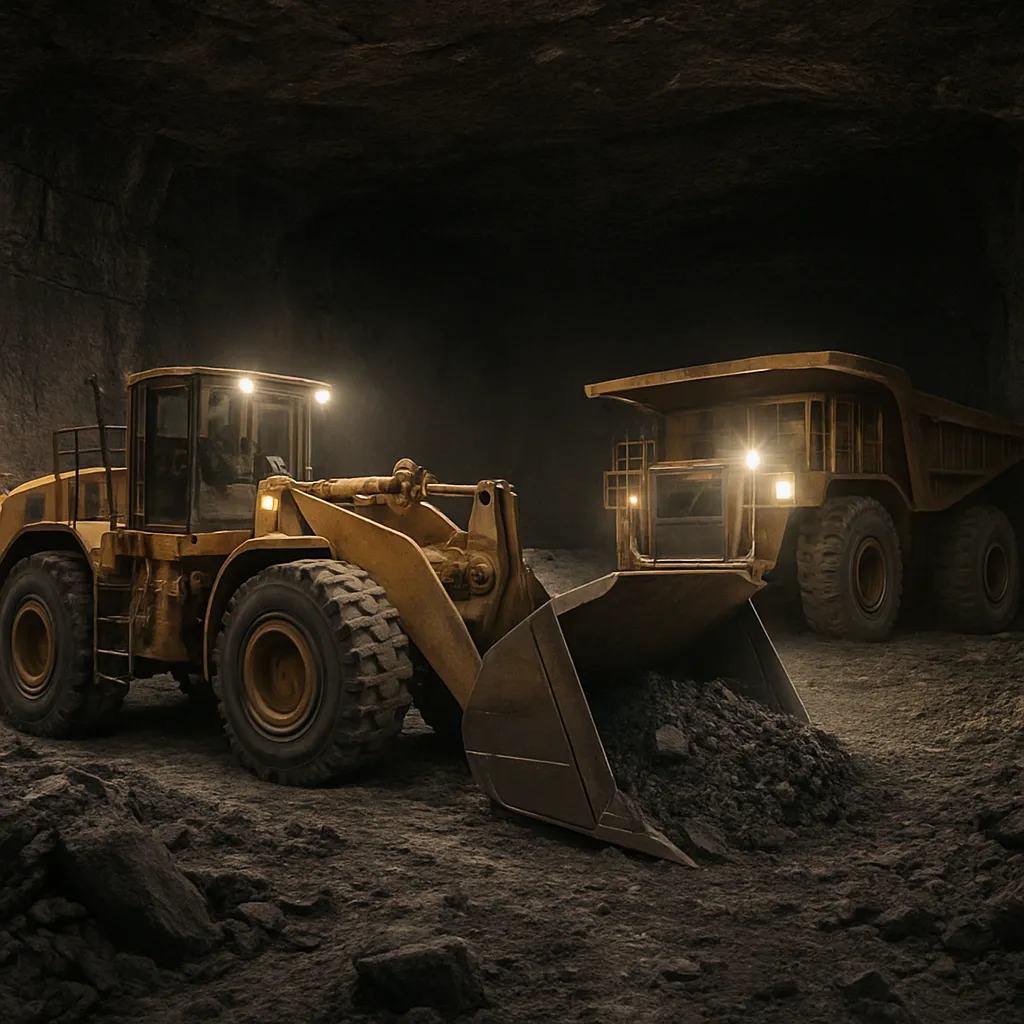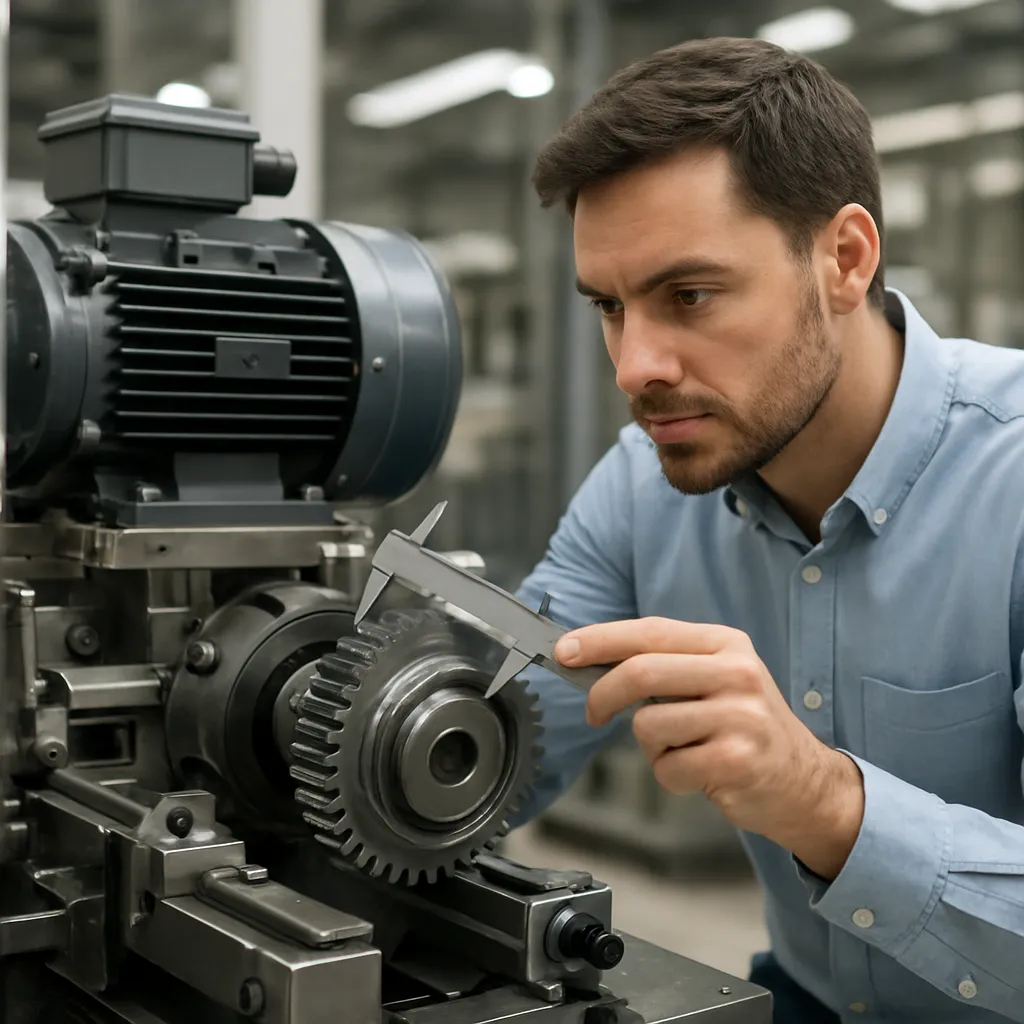
The seamless collaboration between massive engines, complex control units, and refined components defines the modern industrial landscape. By marrying raw power with surgical precision, engineers craft machines that revolutionize production, minimize waste, and raise quality standards across industries. This article explores how designs prioritize force and accuracy, highlights critical subsystems, and examines trends steering the machines of tomorrow.
Evolution of Industrial Machinery
The journey from steam engines to today’s robotics-driven workcells underscores relentless pursuit of efficiency and reliability. Early mechanical contraptions emphasized sheer force to tackle heavy loads. Victorians relied on colossal gears and belts, often resulting in unpredictable outcomes. As material science advanced, lighter alloys and hardened steels offered new avenues for precision fitting. By the mid-20th century, hydraulic and pneumatic actuators allowed for smoother motion and more consistent output.
Key milestones in this evolution include:
- Integration of electric motors with closed-loop feedback, enabling adjustable torque and speed.
- Adoption of numerical control in the 1950s, leading to the rise of CNC milling and turning centers.
- Introduction of programmable logic controllers (PLCs) in the late 1960s for orchestrating complex sequences.
- Emergence of industrial robotics in the 1980s, transforming repetitive tasks into automated processes.
These advancements set the stage for today’s machines, where granular control over movement and force yields unprecedented repeatability.
Integrating Power and Precision in Modern Designs
Contrary to earlier trade-offs, engineers now pursue both high power and micro-level precision. Achieving this dual goal hinges on smart architecture and advanced materials. Core design strategies include:
- Modular Power Units: Swappable motor-gear assemblies facilitate customization of torque and speed profiles without redesigning the entire machine.
- High-Performance Actuators: Brushless DC motors, linear motors, and servo systems offer immediate response and fine positional control.
- Adaptive Control Algorithms: Real-time processing monitors loads, adjusts current flows, and compensates for mechanical wear.
- Sensor Fusion: Combining data from encoders, strain gauges, and vision systems ensures consistent alignment and dimensional accuracy.
By embedding intelligence at every stage, designers create machines that dynamically balance force application and delicate manipulation. The result is equipment that maintains high throughput while adhering to tight tolerances.
Advanced Control Systems
At the core of any high-end machine lies a sophisticated control platform. Modern controllers leverage multi-core processors and field-programmable gate arrays (FPGAs) to achieve sub-millisecond decision-making. This capacity allows for intricate motion profiles, vibration damping, and predictive maintenance alerts. Key aspects include:
- Hierarchical software layers separating safety logic from motion commands.
- Networked communication standards such as EtherCAT and PROFINET for deterministic data exchange.
- Embedded machine learning routines that detect anomalies in vibration signatures or energy consumption patterns.
Such frameworks not only deliver precision in real time but also extend the equipment’s lifecycle through proactive maintenance scheduling.
Key Components Driving Performance
Every machine comprises a set of vital subsystems, each contributing to the synergy of power and precision:
- Drive Systems: From servo drives to variable frequency drives, these units regulate torque, speed, and direction with startling fidelity.
- Transmission Elements: Roller screws, harmonic gears, and belt-pulley assemblies ensure minimal backlash and high durability.
- Sensors & Feedback Devices: Linear scales, optical encoders, and inertia measurement units (IMUs) deliver real-time positional information.
- Control Units: Industrial PCs and PLCs run coordinate transformations, safety interlocks, and user interfaces.
- Software Ecosystem: CAD/CAM integration, digital twins, and SCADA systems allow virtual commissioning and remote monitoring.
Optimizing each component’s performance while maintaining interoperability fosters equipment that meets stringent industrial requirements.
Materials and Manufacturing Techniques
The choice of materials can make or break the balance between force output and dimensional accuracy. Advanced alloys and composites offer superior stiffness-to-weight ratios, while surface treatments like nitriding and diamond-like carbon (DLC) coatings reduce friction and wear. Additive manufacturing has emerged as a game-changer:
- Selective laser melting (SLM) produces complex geometries with internal lattices for weight reduction.
- Directed energy deposition (DED) enables on-the-fly repairs and cladding for extended component life.
These techniques empower designers to sculpt parts that were once impossible, achieving both innovation and functionality.
Applications and Industry Use Cases
From automotive assembly lines to semiconductor fabrication, industries harness tailored machines to elevate output quality and throughput. Notable examples include:
- High-speed pick-and-place robots in electronics, which demand both rapid acceleration and micrometer-level placement accuracy.
- Multi-axis milling centers for aerospace components, where forgings measuring several meters long require tolerances under 0.1 mm.
- Automated material handling systems in warehouses that optimize flow, reduce energy consumption, and integrate seamlessly with warehouse management software.
Each application exemplifies the critical interplay between brute strength and meticulous control.
Challenges in Balancing Strength and Accuracy
Despite technological progress, designers face persistent hurdles:
- Thermal Effects: Heat generation from high-torque motors and friction can induce expansion, compromising precision.
- Vibration and Resonance: Dynamic loads may excite natural frequencies, causing positional drift or chatter during machining operations.
- Complex Calibration: Ensuring alignment across multiple axes demands rigorous calibration protocols and high-quality reference standards.
- Cost Constraints: Incorporating premium materials and cutting-edge sensors can drive up expenses, challenging the goal of widespread adoption.
Addressing these issues requires multidisciplinary collaboration, merging mechanical, electrical, and software engineering expertise.
Future Trends in Machine Design
The next decade promises further convergence of force and finesse. Emerging trends include:
- Smart Materials: Shape-memory alloys and piezoelectric ceramics that adapt stiffness or shape in response to electrical stimuli.
- Edge Computing: Distributing AI-driven analytics directly on machines for faster anomaly detection and performance tuning.
- Green Manufacturing: Optimizing energy flows, recycling heat, and reducing greenhouse gas emissions, all while boosting output quality.
- Collaborative Robotics: Lightweight, sensor-laden cobots that safely work alongside humans, combining strength assistance with delicate handling.
These innovations place a premium on both raw power and nanometer-scale accuracy, driving the next wave of industrial productivity.
Best Practices for Maintaining Optimal Performance
To safeguard the synergy of force and accuracy, operators should implement a robust maintenance regimen:
- Scheduled lubrication of bearings, slideways, and ball screws to reduce friction and thermal buildup.
- Periodic verification of alignment using laser trackers or calibrated telescoping ball bars.
- Firmware and software updates to patch control algorithms and security vulnerabilities.
- Condition monitoring via vibration analysis and thermal imaging to preempt component failure.
Regular upkeep ensures machines continue to deliver high throughput without sacrificing the precision essential for complex tasks.
The Role of Sustainability in Modern Machine Design
Today’s engineers recognize that sustainable practices not only reduce environmental footprint but also improve operational margins. By optimizing energy consumption through regenerative braking, hosting integrated power recovery modules, and selecting eco-friendly lubricants, manufacturers can cut costs and greenhouse gas emissions simultaneously. Emphasis on recyclable materials and ease of disassembly supports circular economy principles, further enhancing corporate social responsibility.
Embracing Innovation for Tomorrow’s Industry
Machines that harness potent power sources while preserving rigid precision lay the foundation for advanced manufacturing ecosystems. By converging digitalization, high-performance hardware, and intelligent control, the industrial sector stands poised to achieve new milestones in productivity, quality, and environmental stewardship. The unwavering commitment to innovation will continue to shape equipment capable of meeting ever-more stringent demands on speed, accuracy, and reliability.