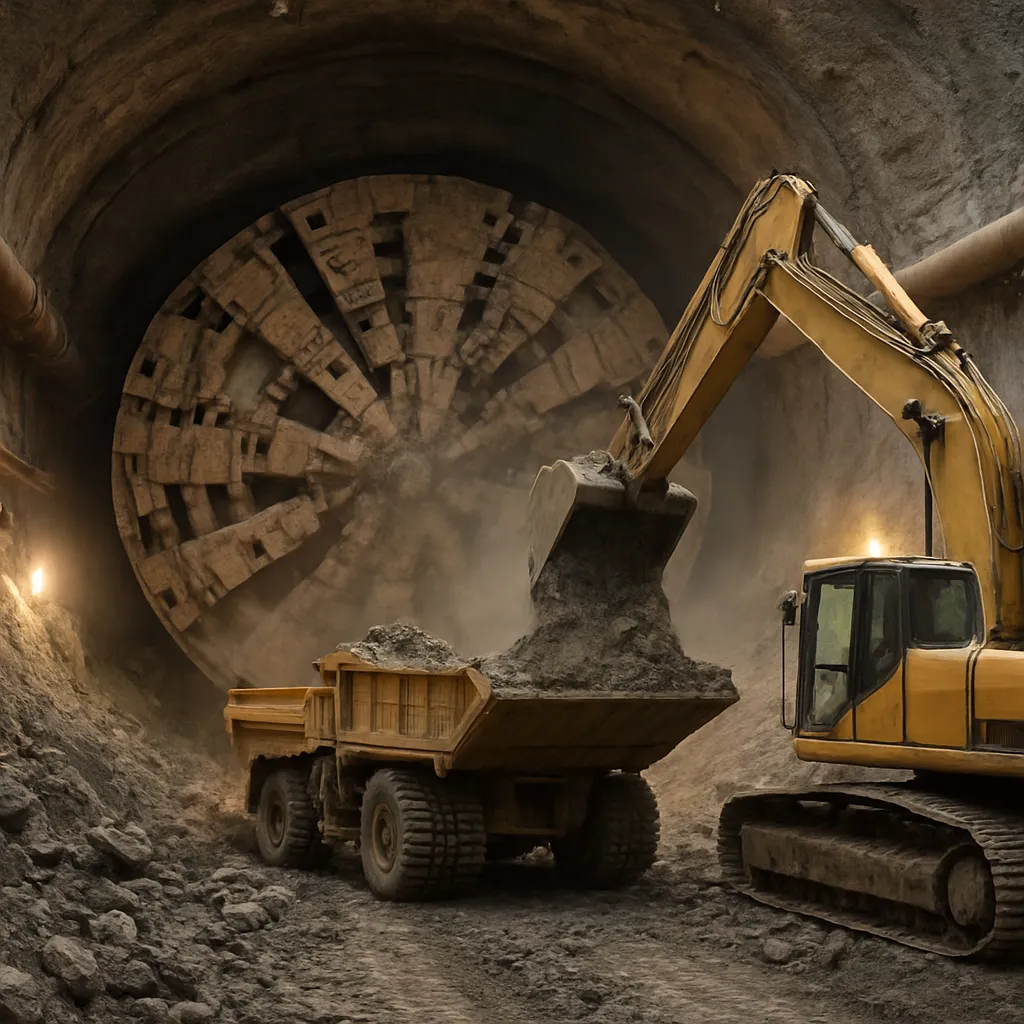
Excavating sites, moving earth, and reshaping landscapes have been at the core of human progress for centuries. From ancient hand tools to modern giants of steel and power, construction machinery has undergone a dramatic transformation. This article explores how hydraulic excavators have revolutionized the art of earthmoving, the intricate technology that drives these machines, and the wide-ranging impacts they have on industry, safety, and the environment.
From Steam Power to Hydraulic Revolution
At the dawn of the 19th century, most heavy lifting and digging tasks were performed using steam-powered shovels. These bulky machines, while groundbreaking, suffered from limitations in flexibility and precise control. Operators were tethered to fixed tracks, and the mechanical linkages made fine movements difficult.
Early Mechanical Excavators
- Steam shovels relied on cables and winches to raise and lower the bucket.
- Limited maneuverability restricted use in confined or uneven terrains.
- High maintenance costs and frequent breakdowns hampered productivity.
Emergence of Hydraulic Technology
By the mid-20th century, advances in fluid power systems unlocked a new era. Hydraulics—using pressurized fluid to transmit energy—offered unparalleled strength and responsiveness. The introduction of the first hydraulic excavator in the 1950s marked a turning point:
- Instantaneous force multiplication made heavy digging effortless.
- Smooth, proportional movements allowed for delicate trenching and grading.
- Compact design improved mobility across job sites.
Core Components and Technological Breakthroughs
At the heart of every hydraulic excavator lies a network of pumps, valves, and cylinders working in concert. Understanding these components is essential to appreciate how these machines deliver exceptional performance.
Hydraulic Pump and Motor
The pump converts mechanical energy from the engine into fluid power. Variable-displacement pumps allow operators to adjust flow rates, optimizing efficiency under different load conditions. Hydraulic motors drive the tracks and auxiliary attachments, offering smooth acceleration and precise speed control.
Control Valves and Cylinders
Directional control valves regulate fluid flow, directing pressure to the correct cylinder. These cylinders are the muscles of the excavator, extending and retracting to move the boom, arm, and bucket. Advanced valve designs reduce internal leakage, improving both power and fuel economy.
Electronic Integration and Automation
In the latest models, electronic control modules manage hydraulic circuits, monitor system health, and even automate repetitive tasks. Key features include:
- Load-sensing hydraulics that match flow to demand, minimizing waste.
- Telematics systems that track hours, fuel consumption, and maintenance alerts.
- GPS-guided grading attachments for precision earthworks within millimeters.
Transforming Industry Applications and Efficiency
Hydraulic excavators are not one-size-fits-all. Their versatility has opened up specialized applications across multiple sectors, driving up productivity while reducing manual labor and project timelines.
Mining and Quarrying
- High-capacity buckets for rapid removal of ore and overburden.
- Reinforced undercarriages designed for abrasive environments.
- Attachment of rock breakers to fragment large stones.
Construction and Infrastructure
- Precision digging for deep foundation piles and basement excavations.
- Quick-change couplers for swapping buckets, hydraulic hammers, and grapples.
- Dredging attachments for canal and river maintenance.
Demolition and Recycling
- Heavy-duty shears that slice through steel frameworks.
- Sorting grapples for separation of concrete and rebar.
- High-reach configurations to safely dismantle tall structures.
Enhancing Safety, Sustainability, and Future Trends
Modern earthmoving emphasizes not just speed and power, but also safety and sustainability. Innovations continue to push the industry toward greener, smarter solutions.
Operator Assistance and Remote Control
Advanced excavators now come with 360-degree cameras, collision warning systems, and semi-autonomous digging modes. Remote operation is gaining traction, enabling machines to work in hazardous zones without exposing personnel to risk.
Electrification and Emission Reduction
In response to environmental regulations, manufacturers are developing hybrid and fully electric excavators. Benefits include:
- Zero local emissions, critical for urban and underground sites.
- Lower noise levels for improved worker comfort.
- Reduced operating costs due to fewer moving parts and regenerative braking.
Material Innovations and Durability
High-strength steel alloys and wear-resistant coatings increase component lifespan. Predictive maintenance algorithms also use sensor data to schedule servicing before breakdowns occur, maximizing equipment uptime.
Global Impact and Ongoing Innovation
The proliferation of hydraulic excavators has reshaped economies and accelerated infrastructure growth worldwide. As emerging markets invest in highways, ports, and energy projects, the demand for powerful excavation machinery continues to soar.
Economic and Social Benefits
- Faster completion of roads, bridges, and dams supports community development.
- Cost savings from reduced labor intensity free up budgets for education and healthcare.
- Improved disaster relief capabilities through rapid terrain clearing.
Research and Development Frontiers
- Artificial intelligence for adaptive digging strategies.
- Biodegradable hydraulic fluids to minimize environmental impact.
- Modular designs that allow quick field upgrades as new technologies emerge.
From the first steam-powered shovels to the sophisticated, automated machines of today, hydraulic excavators stand as a testament to human ingenuity. Their ongoing evolution promises to drive the next wave of construction innovation, forging new possibilities in how we shape our world.