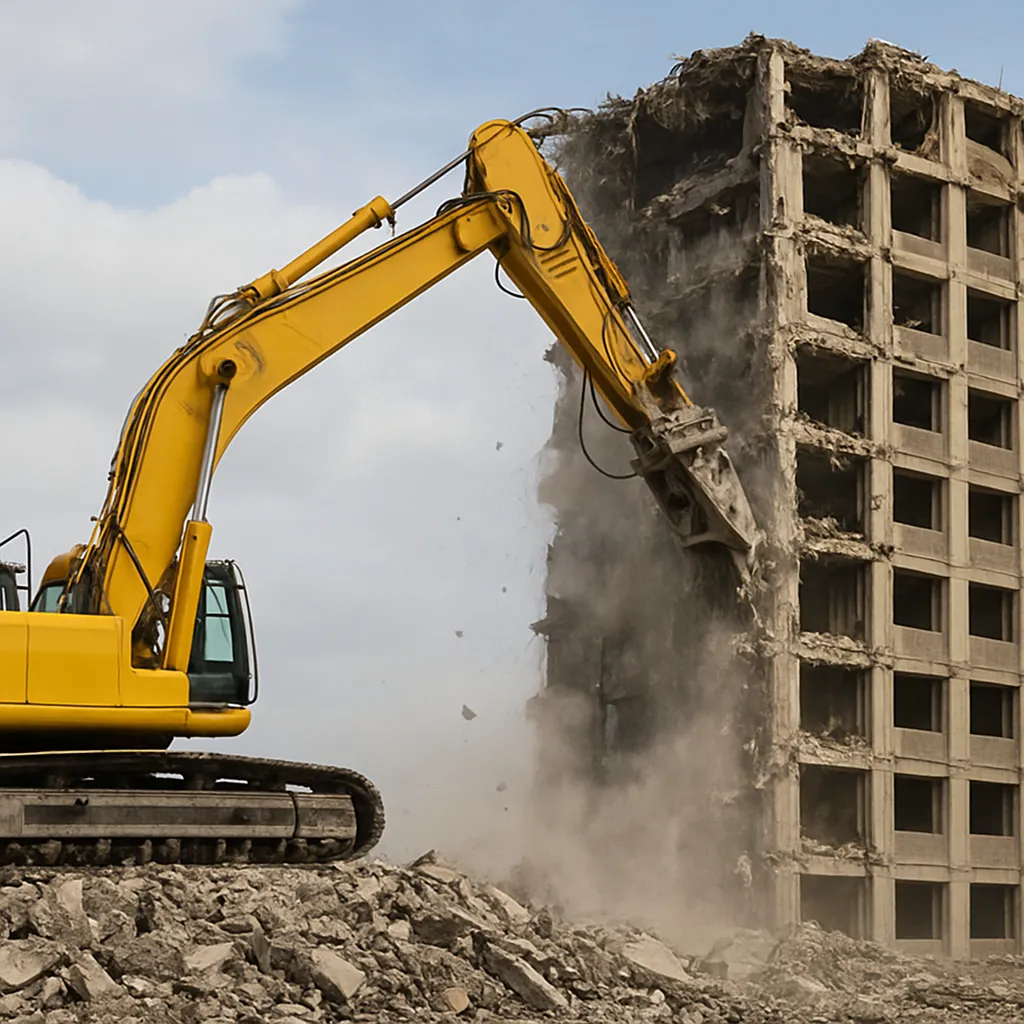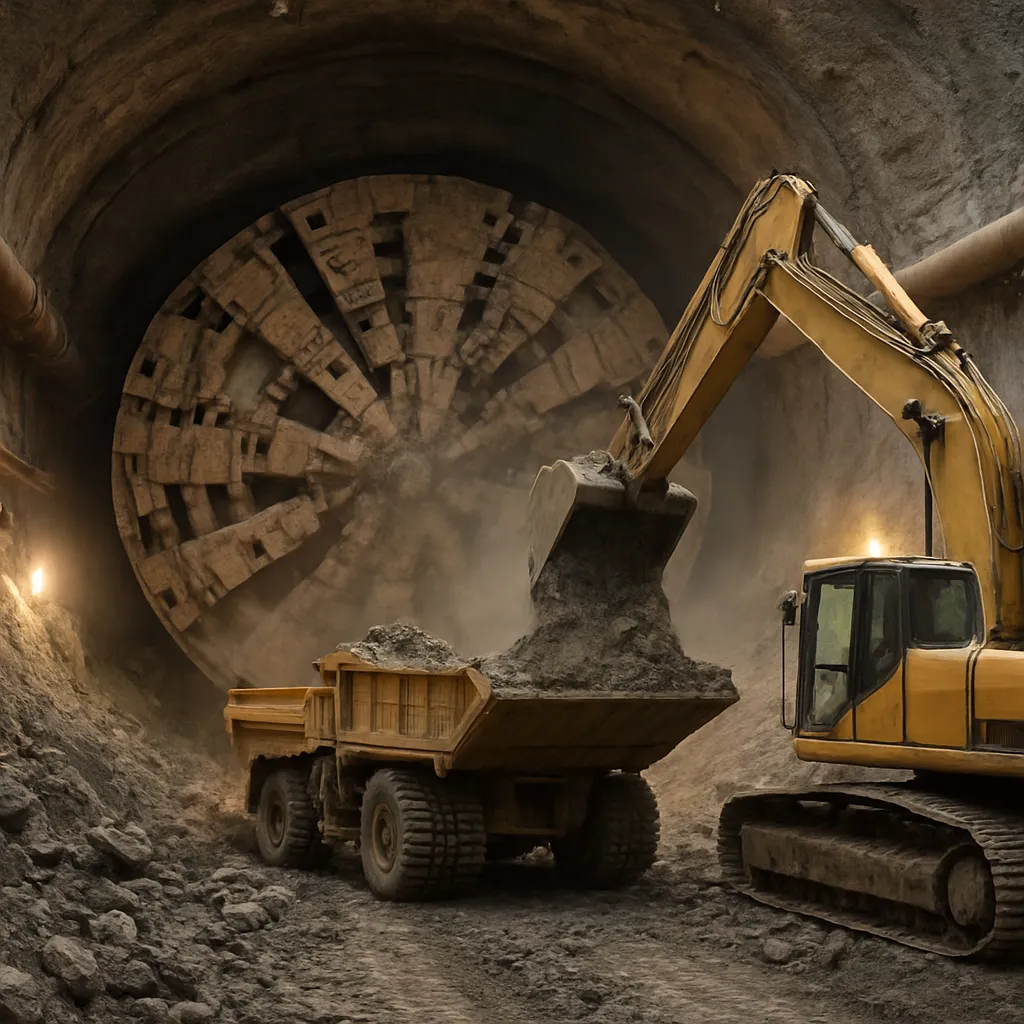
The integration of advanced machinery and supportive devices has revolutionized the way employees interact with heavy equipment on factory floors, construction sites, and warehouses. In this article, we explore how mechanical innovations and wearable aids transform daily workflows, enhance operator comfort, and reduce the risk of musculoskeletal disorders.
The Rise of Industrial Exoskeletons
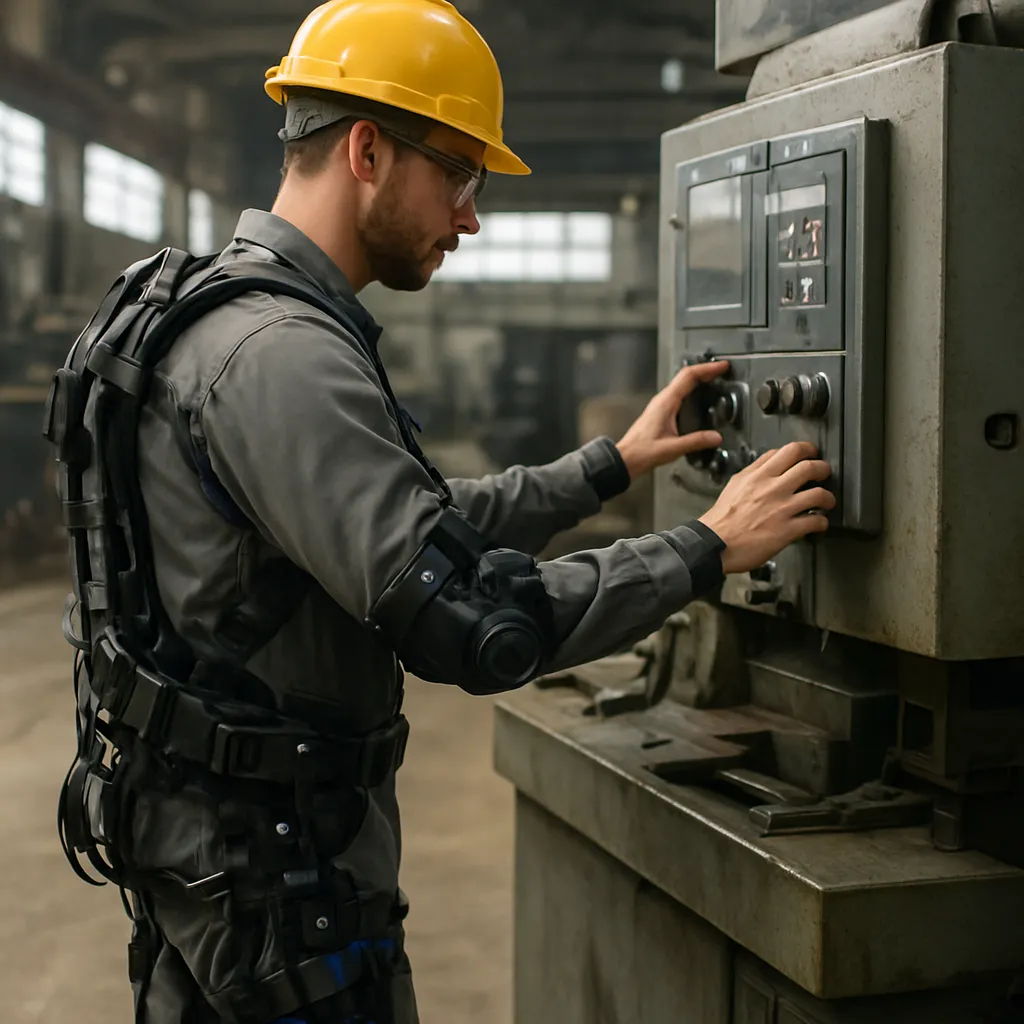
Industrial exoskeletons have emerged as one of the most promising solutions for reducing strain among workers who handle heavy loads or perform repetitive tasks. These powered or passive devices attach to the user’s body, redistributing weight and providing additional support to critical muscle groups.
- Active systems use electric or pneumatic actuators to augment human strength.
- Passive models rely on springs and damping elements to store and release energy.
- Hybrid designs combine mechanical bracing with sensors to adjust assistance dynamically.
By offloading physical effort, exoskeletons enhance overall productivity and decrease the likelihood of fatigue-related mistakes. Studies show that even a 20% reduction in spinal compression can significantly cut the number of work-related back injuries.
Enhancing Workplace Safety with Smart Machines
Beyond wearable aids, the modern factory is populated with machines equipped with advanced monitoring and control systems. Collaborative robots – or “cobots” – share space with human operators, guided by sophisticated sensors that detect proximity and force. These safeguards prevent collisions and allow seamless human-robot collaboration.
Key Safety Features
- Light curtains and laser scanners to create virtual safety barriers
- Force-limited joints that stop upon contact
- Computer vision for real-time analysis of worker posture
By integrating data from wearable devices and stationary sensors, plant managers can implement predictive maintenance strategies, reducing downtime and preventing unexpected breakdowns. As machines communicate with central control systems, risk factors are flagged before they escalate, promoting a culture of proactive safety.
Ergonomics and Human-Machine Collaboration
Ergonomic design has always been crucial in reducing workplace injuries. When combined with mechanical assistants, these principles yield a new standard of comfort and efficiency. Proper workstation layout, coupled with supportive exosuits, ensures that the operator’s movements align with biomechanical best practices.
- Biomechanics studies guide the shape and articulation points of wearable frames.
- Adjustable harnesses accommodate a wide range of body sizes.
- Modular attachments allow customization for specific machinery tasks.
Training programs now include simulated environments where workers practice using exoskeletons in tandem with CNC machines, forklifts, and overhead cranes. This synergy between human intuition and machine precision elevates operational quality and fosters better job satisfaction.
Future Trends in Automation and Exoskeleton Integration
The convergence of robotics, AI, and wearable technology heralds a new era for industrial operations. Advanced algorithms will optimize exoskeleton assistance in real time, learning from each user’s movement patterns and adapting power output accordingly. This level of personalization will pave the way for fully integrated human-machine ecosystems.
- Cloud-based analytics platforms for cross-site performance benchmarking
- Machine learning models that predict injury risk based on workload and posture
- Wireless power transfer to eliminate tethering and improve freedom of motion
With seamless communication between machines, exoskeleton controllers, and enterprise software, organizations stand to benefit from lower insurance premiums, fewer compensation claims, and an empowered workforce. The adoption curve will accelerate as costs decrease and proven safety gains become more widely documented.
Maintenance, Training, and Ethical Considerations
Robust maintenance protocols are essential for ensuring the reliability of both heavy machinery and wearable aids. Scheduled inspections, software updates, and component replacements must be rigorously documented. Certified technicians should follow best practices outlined by manufacturers to preserve warranty and safety certifications.
Training Essentials
- Hands-on workshops covering donning and doffing procedures for exoskeletons
- Simulation-based hazard identification exercises
- Regular refresher courses on emergency stop systems
Organizations must also address the ethical dimension of augmenting human capabilities. Clear guidelines are necessary to prevent undue pressure on workers to exceed safe operational limits. Emphasizing worker well-being alongside performance metrics will ensure a balanced approach to tech-enabled labor.
Conclusion
By harnessing the combined power of advanced automation, intelligent sensors, and supportive exoskeletons, industries can foster safer, more efficient working environments. The key lies in holistic integration—melding ergonomic design, predictive analytics, and human-centric ethics to create a future where machines amplify human potential without compromising health or dignity.