Machine operators spend long hours managing complex equipment in environments that demand precision, reliability, and comfort. Properly designed cabins not only enhance an operator’s performance but also reduce the risk of **fatigue**, injuries, and errors. This article explores how engineers apply **ergonomics**, cutting-edge **sensors**, and intelligent systems to create operator cabins that maximize **productivity**, comfort, and **safety**.
Fundamental Ergonomic Design Principles
A successful cabin design begins with human factors engineering, focusing on anthropometry, reach zones, and posture. By analyzing the dimensions of a diverse workforce, engineers ensure that controls, displays, and seating accommodate a wide range of body sizes and shapes.
Key principles include:
- Adjustability: Seats, armrests, and control panels can be tailored to each user. An adjustable suspension seat can adapt to different weights, reducing whole-body vibration exposure.
- Visibility: Panoramic windows, strategically placed mirrors, and high-definition camera feeds eliminate blind spots and improve situational awareness.
- Control Layout: Grouping frequently used switches and joysticks within the primary reach zone (A-zone) minimizes awkward reaching and maximizes efficiency.
- Posture Support: Lumbar support and dynamic seating encourage a neutral spine position, decreasing the risk of musculoskeletal disorders.
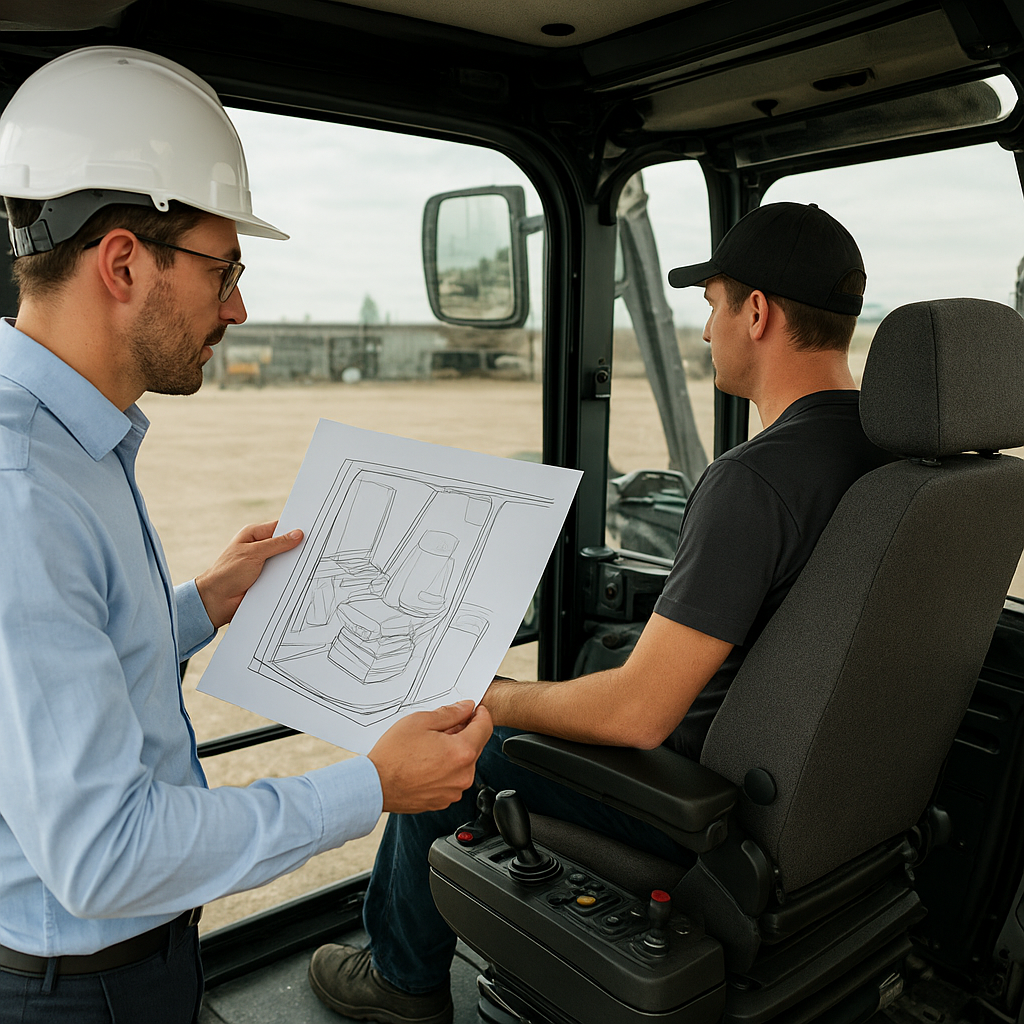
Ergonomic mock-ups and digital human modeling software allow engineers to simulate operator interactions before physical prototypes are built. This process saves time, reduces costs, and results in a cabin that is finely tuned to user needs.
Advanced Technology Integration
Modern machine cabins leverage smart technologies to enhance operator performance and reduce cognitive load. Integration of digital systems must balance **innovation** with intuitive design, ensuring that operators can focus on core tasks rather than wrestling with complex interfaces.
Sensor Networks and Real-Time Monitoring
- Vibration Sensors: These devices measure the intensity and frequency of machine-induced vibrations. Data is used to adjust seat dampers and alert maintenance teams when vibration levels exceed safety thresholds.
- Biometric Monitoring: Heart rate, skin temperature, and galvanic skin response sensors detect signs of stress or **fatigue**. Alerts prompt operators to take breaks or rotate duties, reducing error rates and improving overall well-being.
- Environmental Sensors: Cabin air quality sensors track temperature, humidity, and particulate levels. Automated HVAC systems maintain optimal conditions, preventing distractions caused by heat, cold, or poor air quality.
User Interfaces and Displays
Designers blend touchscreen panels, augmented reality overlays, and voice commands into a cohesive system. Key considerations:
- High-contrast screens with anti-glare coatings ensure readability under bright sunlight or artificial lighting.
- Customizable dashboards let operators prioritize critical alerts and hide less relevant data, reducing information overload.
- Heads-up displays (HUDs) project essential metrics onto the windshield, allowing operators to monitor machine performance without looking away from the work zone.
Enhancing Operator Well-being and Performance
Cabin design must address both physical comfort and psychological factors. A supportive environment fosters concentration, reduces stress, and encourages safe behaviors.
Noise and Vibration Control
- Acoustic insulation materials reduce engine and external noise, supporting clear communication and minimizing hearing damage risks.
- Active vibration control systems use counteracting motions to neutralize harmful frequency ranges, protecting the spine and joints.
Lighting and Ambiance
Proper lighting improves visibility and regulates circadian rhythms during extended shifts:
- Adjustable LED fixtures allow operators to select color temperatures that match task requirements or personal preferences.
- Soft ambient lighting prevents glare on displays, while focused task lights illuminate control panels and paperwork.
Communication and Connectivity
Integrated communication platforms connect operators with maintenance teams, supervisors, and remote experts:
- Hands-free headsets with noise-canceling microphones enable clear dialogue in noisy environments.
- Wireless connectivity supports over-the-air updates for control software, ensuring that the cabin’s digital systems remain up-to-date.
- Collaboration tools like video conferencing boxes empower remote troubleshooting and training sessions.
Material Selection and Sustainability
Choosing the right materials impacts cabin durability, comfort, and environmental footprint. Engineers consider:
- Lightweight composites to reduce overall machine weight and improve fuel efficiency.
- Recycled polymers and sustainably sourced fabrics for seating covers that enhance **well-being** and lower lifecycle emissions.
- Anti-microbial surfaces on high-touch areas to maintain hygiene in shared operator pools.
Lifecycle assessments guide material choices, balancing performance with circular-economy principles. By designing for disassembly, engineers ensure that components can be repaired or replaced easily, extending cabin longevity.
Training and Ergonomic Culture
Even the most advanced cabin requires an operator skilled in ergonomics and machine operation best practices. Organizations implement training programs that emphasize:
- Proper Seating Adjustments: Ensuring operators understand how to set seats, mirrors, and controls for optimal posture.
- Microbreak Techniques: Encouraging brief pauses to stretch and reset posture during long shifts.
- Error Reporting: Fostering an environment where operators report discomfort or near-misses without fear of reprisal, prompting continuous design improvements.
By combining innovative cabin design with a strong ergonomic culture, companies can achieve a harmonious balance of **safety**, efficiency, and operator **well-being**.