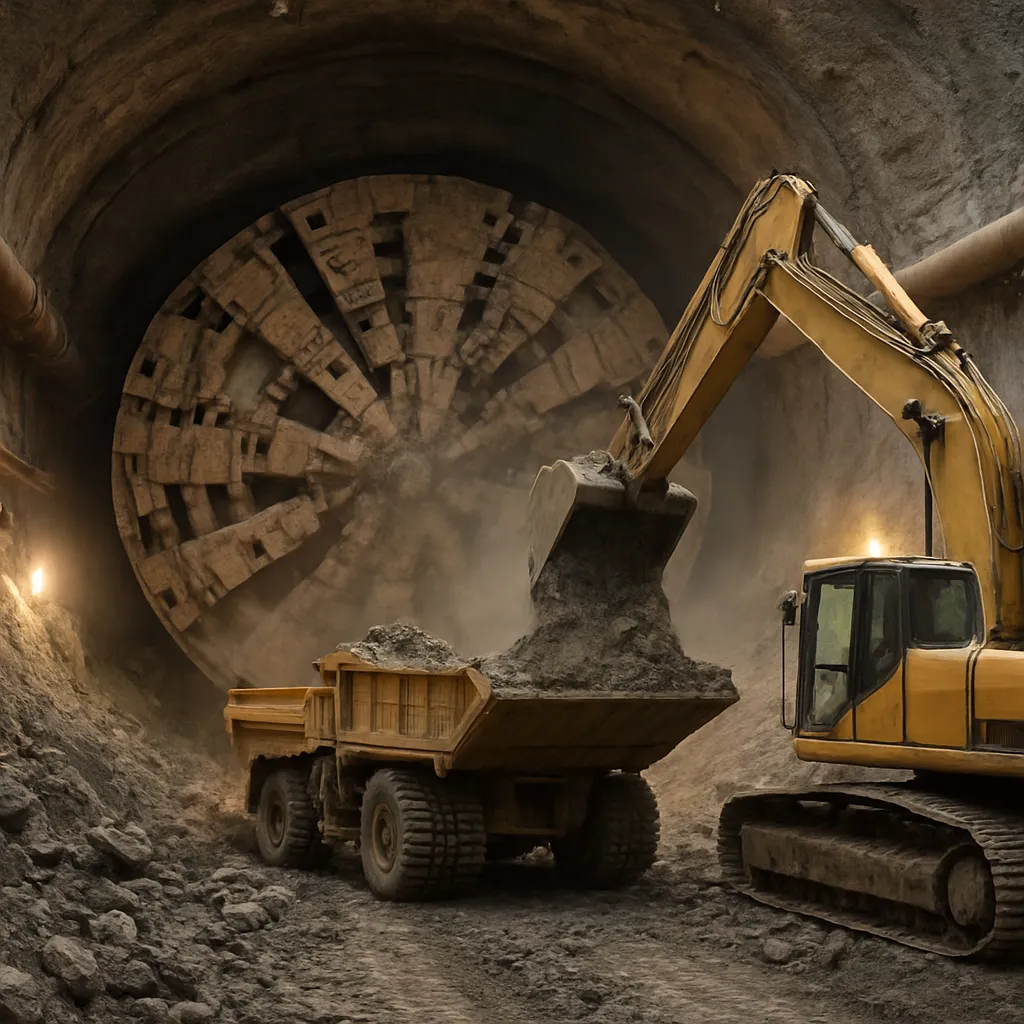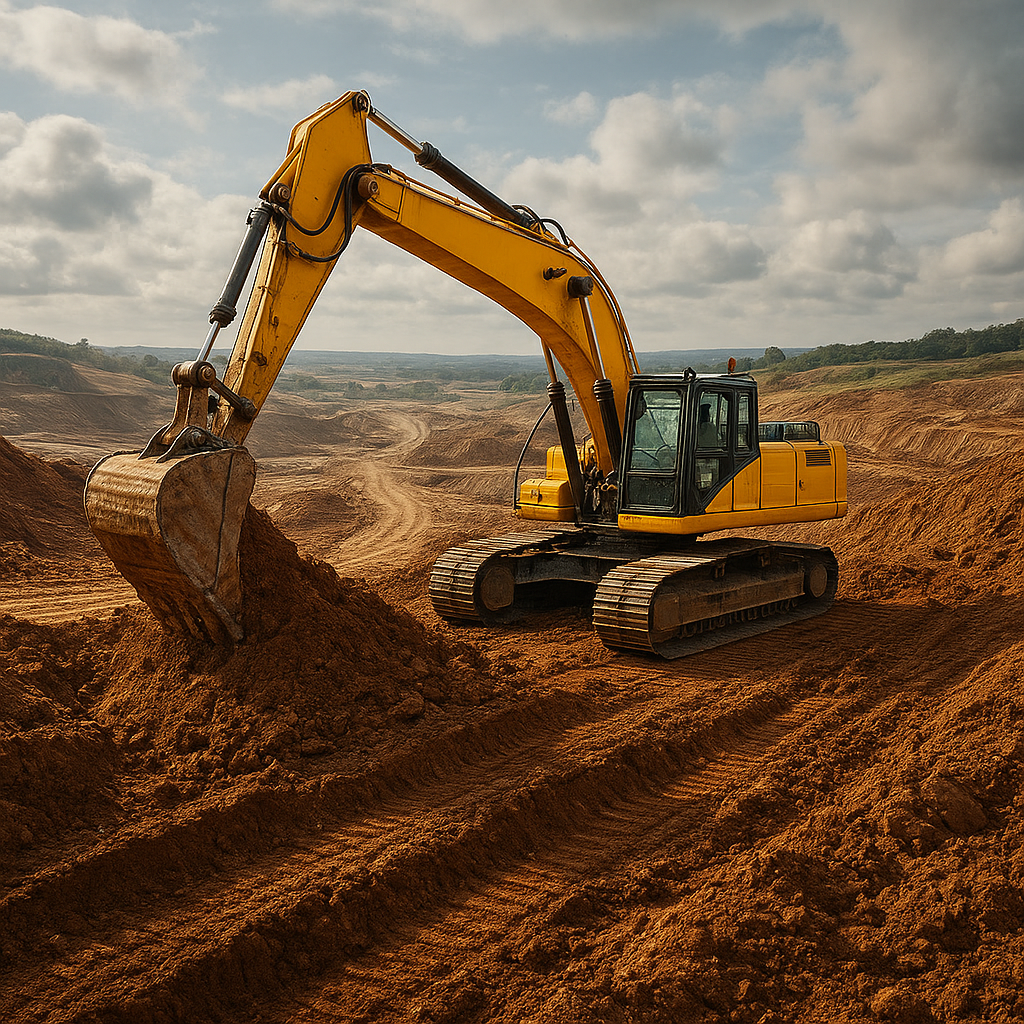
Massive machines roar to life as they carve, lift, and shift vast quantities of soil and rock. These mechanical behemoths, often unnoticed by the casual observer, play a crucial role in shaping highways, skyscrapers, and entire communities. By harnessing immense power, precision controls, and advanced technology, they redefine the boundaries between human ambition and natural terrain.
Powerful Implements Driving Change
At the core of modern infrastructure projects lie the earthmovers—bulldozers, excavators, graders, and wheel loaders. Each machine carries a unique purpose:
- Bulldozers push large volumes of earth with a heavy blade mounted at the front, ideal for rough grading and clearing.
- Excavators use an articulated arm and bucket to dig trenches, foundations, and channels with pinpoint accuracy.
- Graders feature a long blade that creates smooth, level surfaces for roads and airport runways.
- Wheel loaders swiftly load materials into dump trucks or hoppers, streamlining the material-handling process.
These machines operate in concert, transforming raw landscapes into carefully engineered environments. When combined with specialized attachments—rippers, grapples, augers—they deliver astonishing efficiency and adaptability, tackling tasks that once demanded armies of laborers.
Unraveling the Mechanics Beneath the Hood
Deep inside each earthmover lies a symphony of engineering marvels. Diesel engines generate immense torque at low speeds, enabling the machines to push tons of material. Advanced hydraulics transfer that power to arms and blades, offering fluid control over every movement. Key components include:
- Hydraulic pumps and cylinders that regulate force and speed.
- Undercarriage systems—tracks or wheels—providing traction across rough terrain.
- Operator cabins outfitted with ergonomic controls, GPS guidance, and real-time diagnostics.
Operator Expertise and Safety
Despite technological advances, the human operator remains indispensable. Skilled operators coordinate machine motions, interpret site surveys, and adjust for ground conditions. Safety protocols, such as rollover protection systems (ROPS) and backup alarms, reduce accident risk. Regular maintenance schedules—engine oil analysis, filter replacement, track tension checks—ensure maximum uptime and prolong machine durability.
Environmental and Societal Implications
Earthmoving operations can have profound environmental footprints. Land clearance, excavation, and fill placement may disturb habitats, alter drainage patterns, and generate dust. To mitigate impacts, construction sites increasingly adopt:
- Water sprays and dust suppressants to control airborne particles.
- Erosion control blankets and silt fences to preserve soil stability.
- Revegetation plans that restore native species once work is complete.
On the societal front, projects powered by these machines deliver roads, bridges, and utilities that boost economic growth and connect communities. The creation of ports and rail yards enhances trade, while dam construction secures water and hydroelectric power. Balancing progress and preservation demands transparent planning, stakeholder engagement, and rigorous environmental assessments.
Future Trends in Heavy Machinery
Looking ahead, the earthmoving sector is poised for transformative innovation. Key developments include:
- Automation and autonomous vehicles reducing labor demands and enhancing precision.
- Electric and hybrid drivetrains cutting greenhouse gas emissions and fuel costs.
- Telematics platforms linking machines to cloud-based analytics for predictive maintenance.
- 3D machine control systems leveraging drone surveys and BIM (Building Information Modeling) for real-time guidance.
Adoption of sustainable fuels—HVO, biodiesel—and advanced aftertreatment systems curbs particulate and NOx outputs. As manufacturers explore alternative materials for lighter yet stronger components, machines will deliver greater power-to-weight ratios while consuming fewer resources.
Expanding Horizons Across Industries
While construction remains the largest employer of earthmoving equipment, other sectors increasingly rely on these machines:
- Mining operations extract minerals and ores with colossal excavators and haul trucks.
- Forestry sites use specialized harvesters and forwarders to process timber.
- Disaster response teams deploy machines for debris removal and emergency access roads.
Even agriculture benefits from earthmoving tractors, land levelers, and drainage tile plows—ensuring fertile fields and efficient water management. The ability to reconfigure topography drives innovation in renewable energy projects, such as solar farm grading and wind turbine foundations.
The Symbiosis of Man and Machine
The evolution of earthmoving machinery exemplifies the synergy between human ingenuity and mechanical might. Operators harness cutting-edge controls to shape terrain that meets precise engineering specifications, while machines amplify human strength and endurance. As technology continues to advance, expect ever more sophisticated equipment capable of reshaping landscapes with minimal environmental disruption.
Glossary of Key Terms
- Earthmoving: The process of excavating and relocating soil, rock, and debris.
- Hydraulics: Fluid-based power transmission systems used in heavy equipment.
- BIM: A digital representation method for planning, designing, and managing construction projects.
- Telematics: Remote monitoring technology that collects machine performance data.