The realm of heavy machinery often evokes images of raw power and intricate designs. Concrete pumps, in particular, stand as a testament to human ingenuity, pushing materials to towering heights with astounding precision. These machines play a pivotal role in modern construction, transforming architectural visions into tangible structures. By delving into their technology, safety measures, wide-ranging applications, collaboration with other equipment, and future trends, one gains a comprehensive understanding of how these giants operate and evolve.
Engineering Marvel of High-Reach Concrete Pumps
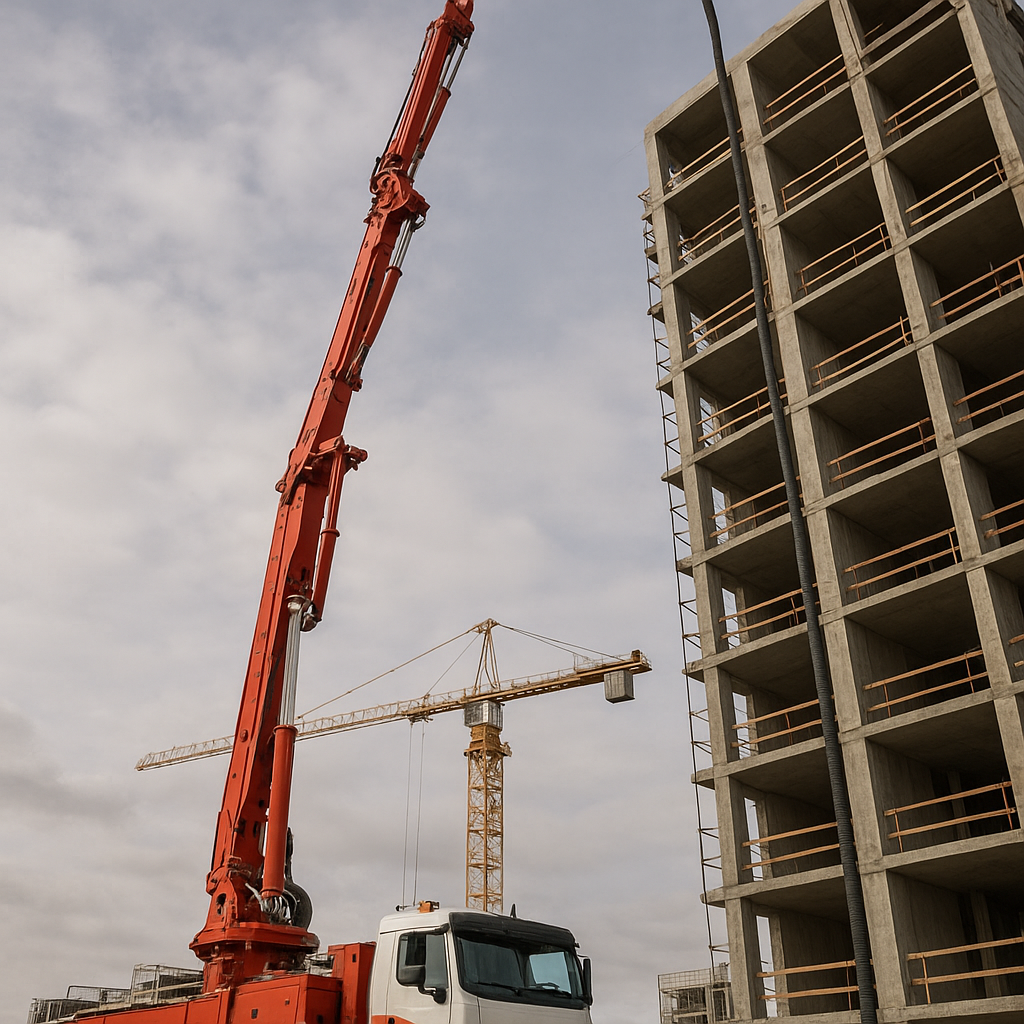
High-reach concrete pumps embody a fusion of innovation and robust engineering. They are designed to transport concrete mixtures through a network of pipelines and articulated booms, directing the flow to precise locations. A typical setup consists of three primary elements: the chassis, the pumping unit, and the boom system. Each segment demands meticulous attention to detail to ensure seamless operation under immense pressure.
Design Principles
The core objective in designing high-reach pumps is to balance power with agility. Manufacturers select high-strength steel and advanced alloys for the boom sections, ensuring both durability and lightness. Articulated joints, often powered by synchronized cylinders, allow the boom to extend and retract with remarkable agility. A compact base truck carries the pump and hydraulic power pack, offering mobility across rough terrains or urban sites.
Key Components
- Pumping Unit: Driven by a diesel or electric motor, this module uses a reciprocating piston system to create high pressure, pushing concrete through delivery hoses.
- Outriggers and Support Legs: These extendable stabilizers deploy from the chassis, ensuring stability during operation and preventing tipping.
- Pipeline Network: Rigid steel or flexible rubber hoses form a continuous path, engineered to withstand abrasion and high pressure.
- Control System: Remote-operated panels or wireless remotes allow operators to manipulate boom movements and pump flow rates with precision.
Operational Mechanism
Once the concrete mix is loaded into the hopper, the pump’s pistons alternate to draw and push material. The flow rate is adjusted via hydraulic valves, maintaining a steady stream even at extreme heights. Boom articulation, controlled through multiple hydraulic circuits, guides the pipeline along predetermined paths. This synergy of hydraulics and mechanical linkages ensures concrete reaches locations once deemed inaccessible.
Ensuring Safety and Efficiency
Operating a high-reach concrete pump requires rigorous protocols to safeguard crew members and nearby structures. Integrating advanced monitoring systems and fail-safe mechanisms is crucial to maintain uninterrupted performance and adhere to stringent regulations.
Stability Systems
Before any pour begins, operators deploy outriggers that level the vehicle on uneven ground. Some models feature self-levelling technology, automatically compensating for slopes up to 10 degrees. Sensors continuously feed data to an onboard computer, which can halt operations if lateral forces exceed safe thresholds. This emphasis on safety prevents accidents and reduces downtime.
Hydraulic Controls
- Load-sensitive pumps adjust pressure to match the concrete’s consistency, optimizing efficiency and minimizing wear.
- Thermal sensors monitor hydraulic fluid temperature, triggering alarms or shutdowns before damage occurs.
- Pressure relief valves protect against overloads, ensuring system integrity under heavy loads.
Maintenance Protocols
Regular inspections of hoses, pistons, and seals are essential. Technicians follow detailed checklists, replacing components at specified intervals to prevent unexpected failures. Lubrication schedules for pivot points and hydraulic cylinders extend service life and sustain consistent performance.
Applications Across Industries
Concrete pumps have revolutionized construction practices in sectors ranging from high-rise buildings to infrastructure projects. Their versatility allows contractors to tackle complex jobs with speed and accuracy.
Skyscraper Construction
In urban environments where ground-level access is limited, high-reach pumps deliver concrete directly to upper floors. Reaches of over 80 meters are now common, enabling continuous pours that reduce cold joints and improve structural integrity. The ability to maintain a uniform flow rate impacts the overall quality and longevity of the building.
Bridge and Tunnel Projects
When working on elevated spans or underground passages, crews rely on pumps to place concrete in confined or inaccessible spaces. Articulated booms navigate around obstacles, while specialized nozzles control the spray pattern for shotcrete applications in tunnel linings or bridge soffits.
Remote Site Operations
Hydraulic concrete pumps can be mounted on tracked carriers or all-terrain vehicles, reaching remote locations where traditional mixers cannot venture. Off-grid sites benefit from diesel-driven units with integrated generators, ensuring uninterrupted power for extended projects.
Integration with Other Machines
Concrete pumps rarely work in isolation. They form part of a larger fleet of machinery, each contributing to efficient workflows on complex job sites.
Coordination with Cranes
Tower cranes lift materials to heights that pumps cannot access directly, while pumps place the concrete envelope. Coordinated scheduling ensures that formwork and reinforcement are in place when the pump arrives, streamlining the pour cycle and preventing idle time.
Excavators and Ground Preparation
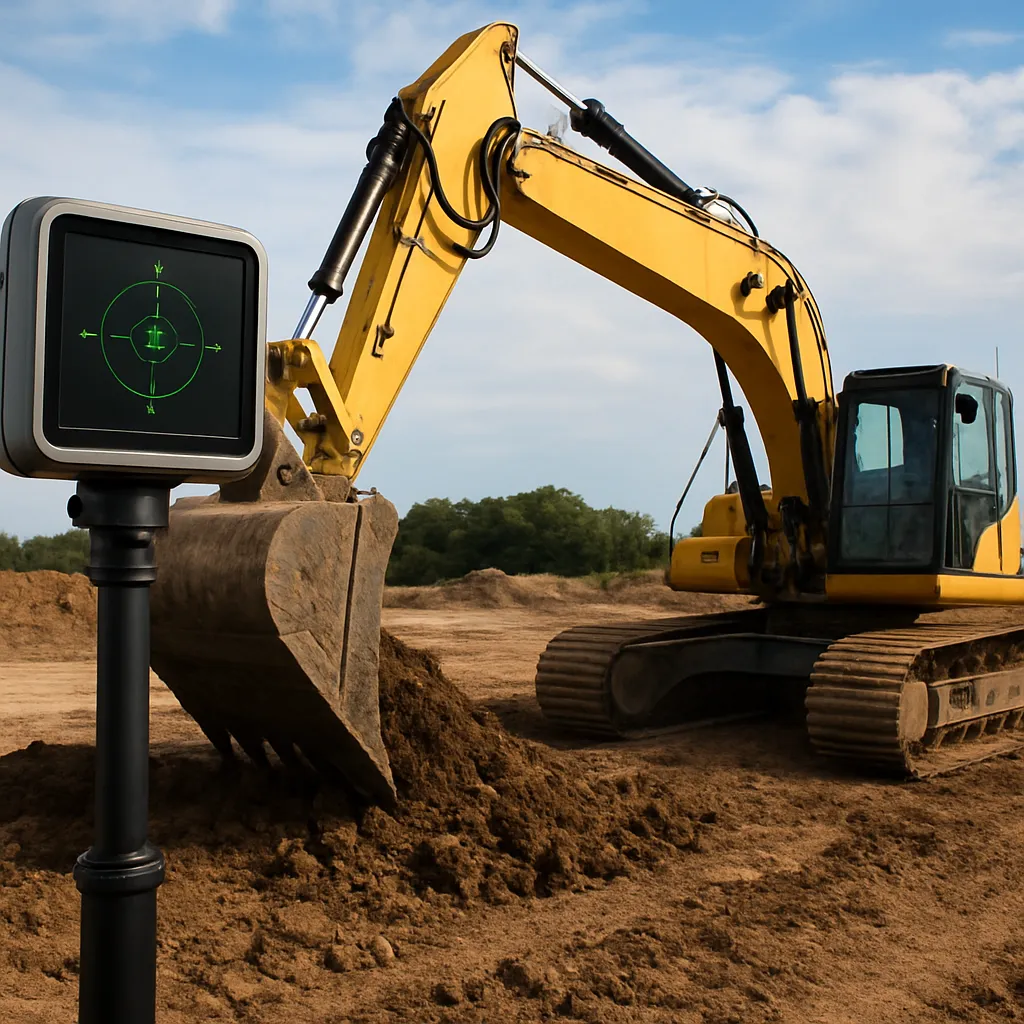
Before pouring, excavators shape foundations, dig trenches, and clear debris. Precise grading by a precision-guided excavator simplifies the pump’s setup process, reducing the need for manual rework and minimizing material waste.
Automated Workflows
- Digital jobsite platforms synchronize pump operations with delivery trucks, ensuring the concrete arrives just-in-time.
- Building Information Modeling (BIM) data drives pump positioning plans, optimizing reach and hose routing.
- Wireless sensors on booms and outriggers feed live telemetry to project managers, enhancing real-time decision-making.
Future Innovations
The next generation of concrete pumps will emphasize sustainability, automation, and enhanced performance. Engineers are exploring cutting-edge concepts to redefine what these machines can achieve.
Remote Operation and Robotics
Tele-operated pumps allow specialists to control machines from a safe distance, reducing exposure to hazardous environments. Robotic arms and automated boom adjustments promise continuous, fatigue-free operation, boosting overall productivity.
Alternative Energy Sources
Electric and hybrid models are emerging, powered by rechargeable batteries or hydrogen fuel cells. These eco-friendly units lower carbon emissions and reduce noise pollution, aligning with green building standards worldwide.
Smart Materials and Sensors
Incorporating advanced composites into boom construction improves the strength-to-weight ratio, enhancing versatility and travel speeds. Embedded sensors track stress, temperature, and vibration, enabling predictive maintenance and prolonging machine lifespan. This data-driven approach elevates reliability and minimizes unplanned outages.