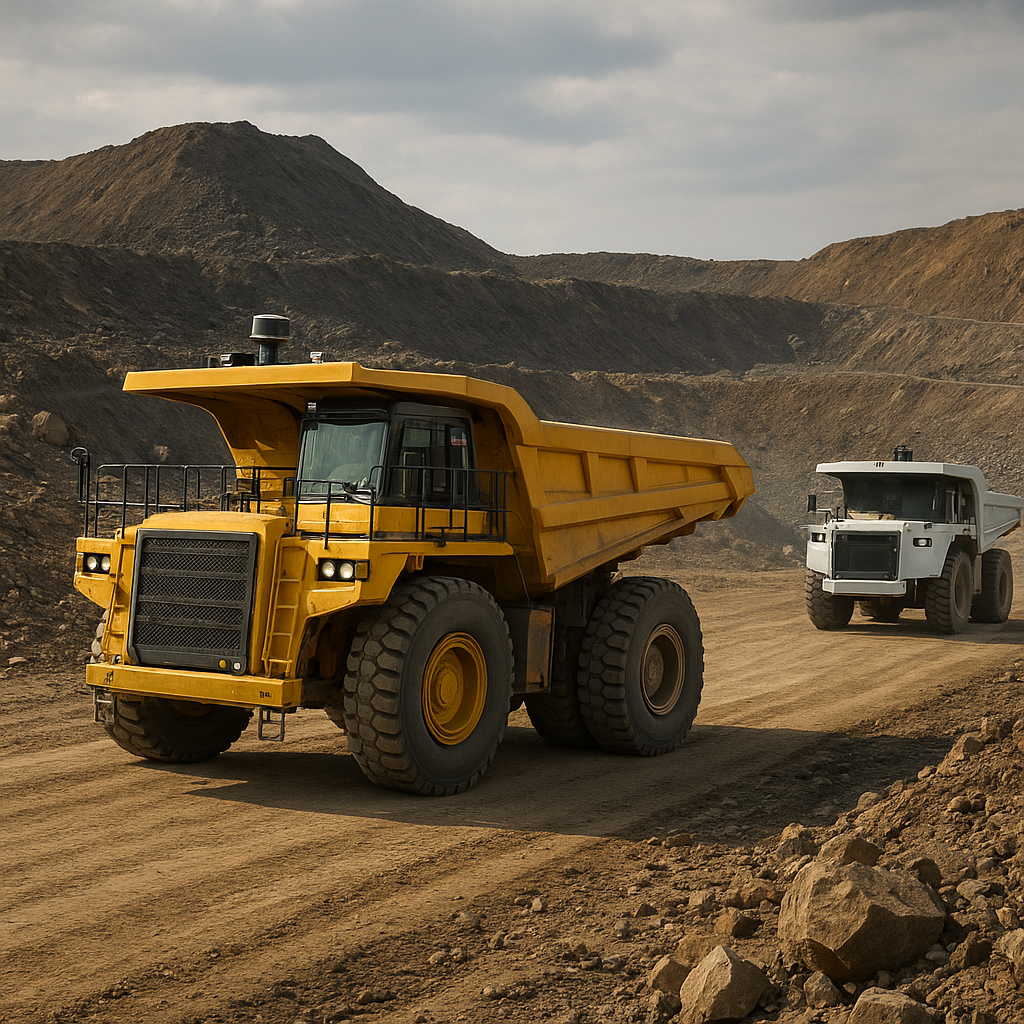
The mining industry is experiencing a profound transformation as fleets of autonomous trucks replace traditional haulage methods. These self-driving machines are not only redefining operational efficiency but also enhancing safety, reducing environmental impact, and paving the way for new innovations. In this article, we explore the various facets of machines at work in the mining sector, highlighting the technologies, benefits, and challenges that accompany the rise of autonomous trucks.
Efficiency Gains Through Advanced Automation
Modern mines demand relentless performance and precise coordination among multiple systems. Incorporating automation into haulage operations brings the following key advantages:
- Increased Productivity: Autonomous trucks can operate 24/7 without fatigue, maximizing ore tonnes moved per shift.
- Optimized Fuel Consumption: Intelligent routing algorithms and data-driven speed control minimize unnecessary acceleration and idling.
- Consistent Cycle Times: Automated vehicles follow predefined paths and schedules, ensuring uniform haul cycles and predictable output.
Case studies from leading mining corporations show as much as a 20% jump in overall equipment effectiveness (OEE) when autonomous fleets are deployed alongside existing machinery. The integration process often begins with retrofitting trucks with GPS modules, LiDAR sensors, and high-precision inertial measurement units (IMUs). These components feed into centralized control systems that monitor each vehicle’s position, connectivity status, and health metrics in real time.
Seamless Fleet Coordination
Fleet management software orchestrates dozens of autonomous trucks, communicating with crushing stations, load zones, and maintenance yards. Through advanced AI algorithms, the system adapts to changing mine topography and dynamic traffic patterns, rerouting trucks around obstacles or congestion points without human intervention.
Safety Enhancements and Risk Reduction
Mining operations have long grappled with hazardous conditions—rockfalls, steep gradients, and poor visibility can endanger human drivers. By introducing reliability-engineered autonomous trucks, mines significantly lower accident rates and protect personnel.
- Elimination of Human Error: Automated vehicles strictly adhere to programmed speed limits, load capacities, and braking protocols, eliminating the risk of distracted or impaired driving.
- Obstacle Detection and Avoidance: High-resolution radar and LiDAR arrays enable real-time scanning for personnel, equipment, and debris, triggering immediate halts or course adjustments.
- Remote Monitoring: Control centers staffed by trained operators oversee truck movements via high-definition video feeds, intervening only when manuals override conditions arise.
Moreover, autonomous trucks are equipped with robust fail-safes. In the event of sensor malfunction or communication loss, they execute controlled stops on the nearest stable surface, avoiding uncontrolled rolling. This proactive approach to safety fosters a culture of zero harm and meets stringent global regulations on mine site operations.
Worker Reskilling and Community Impact
While remote operation centers reduce the number of drivers required on site, new roles emerge in system monitoring, predictive maintenance, and data analysis. Training programs enable mine personnel to transition from behind-the-wheel tasks to high-value technical assignments, ensuring communities benefit from upskilling opportunities.
Environmental Impact and Sustainability Drives
As the world shifts toward sustainable resource extraction, reducing the carbon footprint of heavy machinery becomes imperative. Autonomous trucks contribute to greener mining through:
- Optimized Route Planning: Minimizing distance and idle time directly cuts down on diesel consumption and greenhouse gas emissions.
- Integration with Electric Powertrains: Next-generation autonomous platforms are often designed around battery-electric or hybrid drivetrains, solving ventilation challenges and reducing particulate output.
- Real-Time Emissions Monitoring: Sensors track fuel use and exhaust levels, feeding data into environmental management systems for continuous improvement.
By deploying sustainability-focused solutions, mining firms demonstrate responsible stewardship of natural resources and align with global ESG (Environmental, Social, Governance) criteria. In addition, reduced noise pollution and lower dust generation improve local air quality and minimize disruption to surrounding ecosystems.
Water and Land Restoration Synergies
Autonomous machinery’s precision also enables more targeted excavations, preserving topsoil and reducing the need for large-scale blasting. As a result, post-mining land rehabilitation becomes more efficient, with minimized surface disturbance and better prospects for revegetation.
Future Trends and Technological Innovation
Looking ahead, several emerging trends promise to further revolutionize mining haulage:
- Edge Computing: Deploying onboard processing power allows trucks to make split-second decisions without depending on constant network connectivity.
- Digital Twins: Virtual replicas of mines and fleets enable simulation of haulage scenarios, optimizing layouts before real-world deployment.
- Collaborative Robotics (Cobots): Autonomous trucks may work in tandem with drilling robots and automated loaders, creating fully integrated mine workflows.
- Blockchain for Logistics: Secure, transparent transaction ledgers can track ore from pit to port, ensuring traceability and compliance.
In addition, advances in sensor fusion and innovation in machine learning models will grant autonomous trucks ever-greater situational awareness on complex terrain. As 5G and private wireless networks become more widespread at remote mine sites, connectivity latency issues will diminish, unlocking real-time coordination between vehicles and central systems.
Adaptation of Mine Planning and Design
Engineering teams are rethinking mine layouts to optimize autonomous haul roads, incorporating gradual curves, uniform grades, and dedicated charging pads. These design changes not only benefit driverless trucks but also enhance safety and productivity for all mobile equipment operating underground or on the surface.
Challenges and Implementation Considerations
Despite the promise of autonomous trucks, mining companies must navigate several hurdles before full-scale deployment:
- Initial Capital Investment: Upfront costs for hardware retrofits, network infrastructure, and training can be substantial.
- Regulatory Approval: Navigating varying national and regional safety standards requires close collaboration with authorities.
- Cybersecurity Concerns: Securing data links and control systems is critical to prevent unauthorized access or malicious interference.
- Terrain Variability: Adaptation to weather extremes, mud, and unstable ground demands robust sensor calibration and software resilience.
Overcoming these obstacles often involves phased rollouts, starting with pilot programs on relatively simple haul routes. Lessons learned feed into best practices for scaling up to more complex operations, ensuring a smoother transition to fully autonomous mining camps.