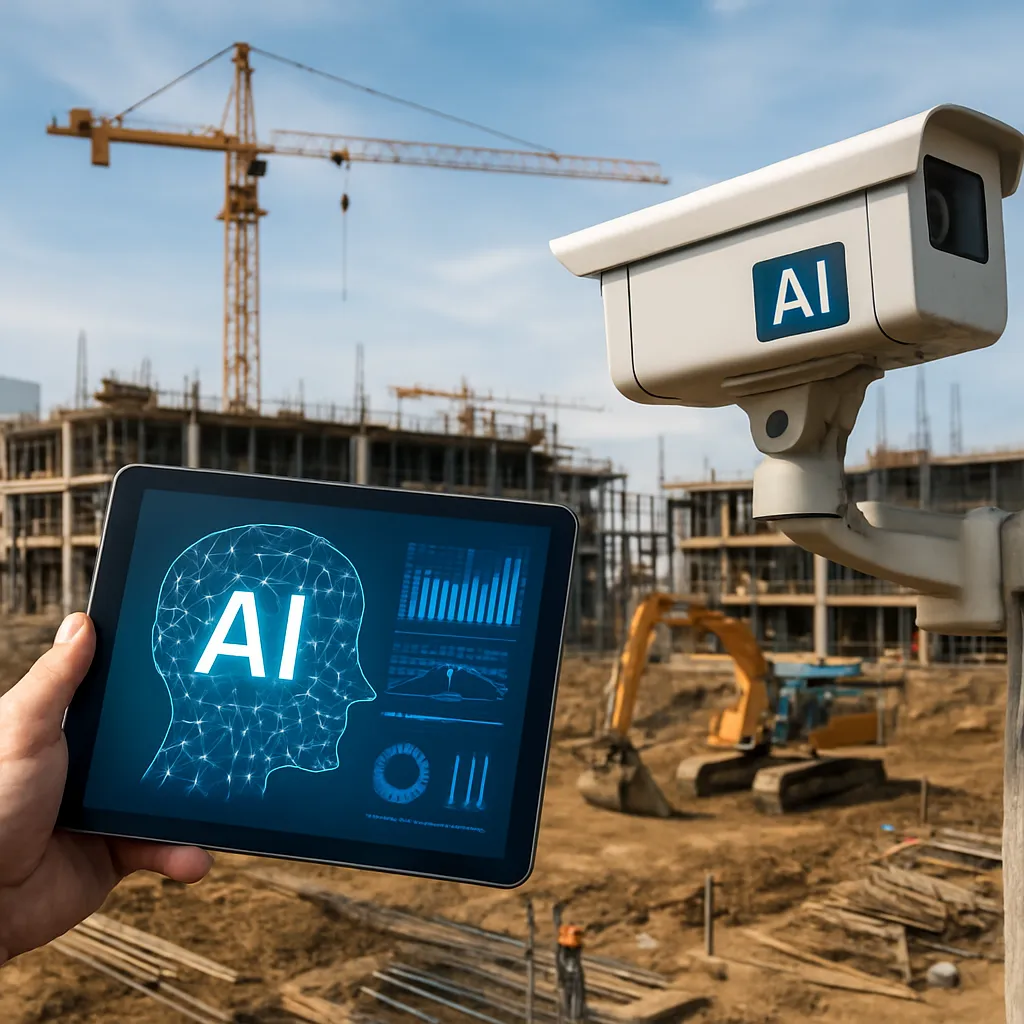
Advancements in construction technology are reshaping job sites around the world. From towering cranes guided by machine vision to autonomous earthmovers surveying terrain, the influence of artificial intelligence and smart equipment is unmistakable. Machines are no longer mere tools; they are active partners in planning, execution, and safety management. This article explores how next-generation equipment harnesses automation, data analytics, and robotics to deliver unparalleled efficiency and safety on complex construction projects.
Integration of AI and Robotics in Modern Construction Equipment
The marriage of mechanical power with artificial intelligence transforms rudimentary devices into intelligent workhorses. Traditional excavators and bulldozers evolve into self-navigating machines capable of adjusting to unexpected site conditions. Central to this evolution are advanced sensors—LiDAR, cameras, inertial measurement units—and edge computing units that process information in real time.
Smart Excavators and Earthmovers
Smart earthmovers employ AI-driven algorithms to maintain precise grading and depth control. Equipped with geospatial mapping tools, these machines:
- Continuously compare actual dig profiles with digital blueprints
- Automatically correct deviations within millimeter tolerance
- Optimize fuel consumption by modulating engine load
By integrating analytics engines on board, such machines generate performance reports for site supervisors, reducing downtime and enhancing resource allocation. Fleet managers can monitor machine health remotely, predicting component wear before breakdowns occur.
Autonomous Crane Operations
Cranes outfitted with AI modules can plan lifts, calculate load dynamics, and enforce safety boundaries without constant human input. Using real-time sensor feedback and digital twins, these cranes:
- Identify obstacles in the swing path
- Compute optimal boom angles for energy-efficient lifts
- Adhere to programmed exclusion zones to prevent collisions
This level of automation streamlines complex material handling tasks and allows operators to focus on supervisory roles rather than manual controls. The result is a significant increase in overall productivity and reduced risk of human error.
Enhancing Safety and Efficiency Through Intelligent Systems
Construction sites present myriad hazards—from unstable scaffolding to heavy machinery operating in confined spaces. AI-powered systems offer proactive solutions that safeguard workers and assets. By deploying networks of smart cameras, wearable devices, and machine communication links, site managers gain unparalleled visibility into operations.
Real-Time Hazard Detection
Computer vision platforms analyze video feeds to detect safety infractions and environmental risks:
- Unauthorized personnel entering restricted zones
- Workers without mandatory protective equipment
- Movement of vehicles too close to excavation edges
Upon identifying a potential threat, the system triggers automated alerts—flashing signals in the cab, audible warnings on site, and text notifications to site managers. This rapid feedback loop fosters a culture of safety consciousness and minimizes accident response times.
Optimizing Workflow with Machine Collaboration
Instead of operating in isolation, connected machines form collaborative ensembles. Autonomous bulldozers level a trench based on data from UAV surveys. Next, robotic concrete sprayers apply shotcrete precisely where the structure demands reinforcement. This orchestration relies on secure, low-latency communication protocols (5G or private LTE), ensuring each device acts in concert with the others.
- Task scheduling algorithms allocate equipment based on priority and proximity
- Dynamic route planning prevents machine interference
- Adaptive speed control balances throughput with fuel economy
By leveraging innovation in inter-machine networking, projects accelerate timelines and reduce waste, while crews enjoy a more organized and intuitive work environment.
Future Trends: Sustainable and Collaborative Machine Ecosystems
Looking ahead, the synergy between construction machinery and AI is poised to expand into more sustainable and socially integrated practices. Green technologies and human-machine collaboration will define the next wave of site automation.
Electric and Hybrid Powertrains
Environmental regulations and rising fuel costs drive the adoption of electric and hybrid construction vehicles. When combined with AI-driven energy management systems, these machines:
- Optimize battery charge cycles based on projected task loads
- Engage regenerative braking during heavy lifting operations
- Minimize peak power draw to maintain grid stability on large sites
The shift towards sustainability not only lowers carbon footprints but also reduces operating expenses, making green fleets economically compelling.
Augmented Reality and Remote Collaboration
Augmented reality (AR) interfaces allow remote experts to guide on-site machines with pinpoint accuracy. Operators wear AR headsets or use tablet devices to visualize construction plans overlaid on the physical environment. This capability enables:
- Virtual inspections without travel delays
- Real-time markup of critical dimensions and alignment points
- Remote troubleshooting of equipment malfunctions
Such collaboration tools break down geographical barriers, connect specialized knowledge with local operators, and accelerate problem solving across multiple projects.
Adaptive Learning and Continuous Improvement
As machines accumulate hours of operation, embedded AI models refine their own performance. By analyzing historical task data and outcomes, systems can suggest process improvements, predict material requirements more accurately, and even train new equipment operators via simulation environments.
- Machine learning frameworks detect patterns in maintenance logs
- Predictive analytics flag potential safety issues before they arise
- Automated reporting highlights best practices for site planning
This commitment to continuous learning solidifies a feedback-rich ecosystem where every job enhances the next, driving unparalleled efficiency and ensuring that construction sites remain at the forefront of technological progress.