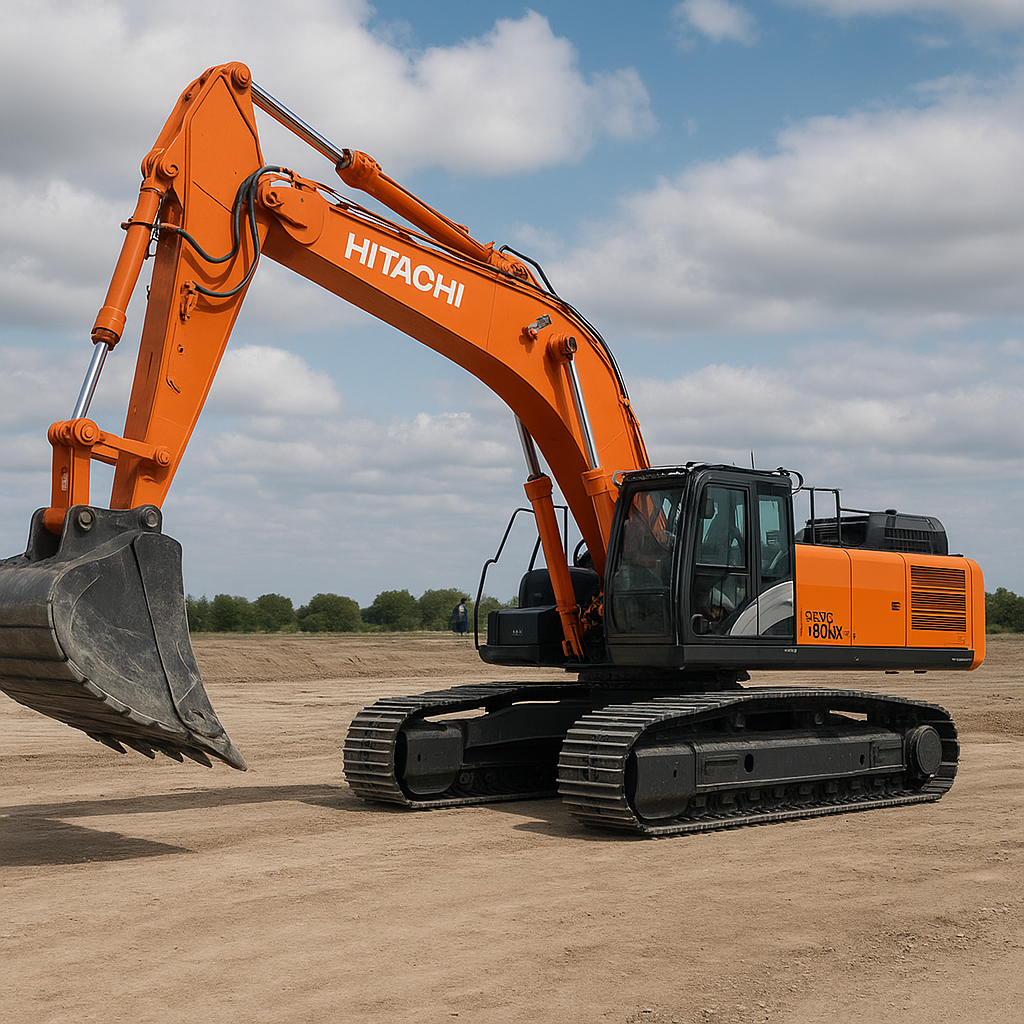
The Hitachi ZX890LCH-7 is a member of the modern generation of large hydraulic crawler excavators designed for the most demanding earthmoving, mining and heavy civil engineering tasks. Combining robust structural components, advanced hydraulic systems and operator-focused ergonomics, this machine aims to deliver sustainable productivity on projects where scale, reliability and efficiency are decisive. The following article explores the ZX890LCH-7’s design features, typical applications, technical characteristics, operational advantages and considerations for ownership and maintenance.
Design and engineering overview
The ZX890LCH-7 is engineered as a high-capacity, durable piece of equipment suitable for large-scale excavation, rock handling, quarrying and heavy foundation work. Hitachi’s design philosophy for this class of machine emphasizes a balance between powerful digging performance and long-term durability. Key structural features include a reinforced undercarriage, heavy-duty boom and arm assemblies, and robust linkages and pins designed to withstand cyclic stresses common in heavy excavation environments.
The machine’s hydraulic architecture is tuned to provide both high flow for rapid cycle times and fine control for precise positioning. Advanced hydraulic components, combined with electronic control systems, allow for smoother multi-function operations and better fuel management. Noise and vibration dampening have also been addressed in the cab and engine compartments to improve operator comfort and reduce fatigue during long shifts.
- Heavy structural components engineered for high-stress environments
- Modular design to simplify major component replacements and repairs
- Hydraulic circuitry optimized for strong breakout forces and controlled digging
- Cab features focused on visibility, ergonomics and reduced operator fatigue
Typical applications and industries
The ZX890LCH-7 is typically deployed where large volumes of material must be moved, where rock handling is frequent, or where heavy lifting and high breakout forces are required. Common application areas include:
- Mining — both open-pit and select large-scale surface operations where excavators are used for loading haul trucks, removing overburden, or selective mineral extraction.
- Quarrying — extracting and loading rock, often involving heavy-duty buckets and attachments to handle abrasive materials.
- Major civil works — large infrastructure projects such as dams, bridges, ports and highways that require deep excavations, mass earthworks and foundation preparation.
- Demolition and scrap handling — with specialized attachments, the ZX890LCH-7 can be used for dismantling structures and handling heavy demolition debris.
- Pipeline and utility corridor preparation — when large trenches and spoil handling are required over long distances.
Because of its scale, the ZX890LCH-7 is generally not used for light urban construction projects; its strengths are best utilized in open, heavy-duty environments where reach, power and capacity are necessary.
Key technical characteristics and performance data
While specific configurations and options can alter exact figures, the ZX890LCH-7 belongs to the roughly 85–95 tonne operating weight class. Typical technical attributes for machines in this category include powerful diesel engines, large hydraulic pumps, and significant bucket capacities to maximize loading cycles per hour.
Powertrain and hydraulics
- Engine power: approximately 350 kW (roughly 470 hp), depending on local emissions specifications and tuning. The engine is optimized for consistent torque delivery at low-to-mid RPMs to support digging and lifting operations.
- Hydraulic flow and pressure: high-flow, high-pressure circuits designed to provide substantial breakout forces and quick arm/boom cycles. Electronic hydraulic control improves responsiveness and fuel efficiency.
- Travel system: heavy-duty tracks with variable-speed travel for moving on site; travel speeds typically range from approximately 3 to 5 km/h depending on gearing and load.
Working capacities and reach
- Operating weight: around 90,000 kg (approximate, depends on attachments and counterweights).
- Bucket capacities: typically range from about 2.5 to 4.5 m³ for general-purpose and heavy-duty rock buckets; specialty buckets and quick couplers influence capacity.
- Maximum digging depth: often in the range of approximately 8.5 to 10.0 m depending on boom/arm configuration.
- Maximum reach at ground level: commonly between approximately 12 and 15 m, with long-reach variants extending further.
- Breakout force: engineered to deliver strong breakout and crowd forces suitable for hard materials and compacted soils.
Note: the values above are indicative of the ZX890LCH-7 class and can vary by market specification, attachments and factory options. For precise specifications it is best to consult the manufacturer’s technical documentation or a local dealer.
Operator cabin, controls and telemetry
Operator comfort and usability are important for productivity in large excavators. The ZX890LCH-7 incorporates a spacious cab with visibility prioritized toward the work zone. Controls are laid out to reduce operator fatigue and increase precision.
- Ergonomically designed seats with multi-adjustment and heating/ventilation options help sustain operator comfort during long shifts.
- Joystick controls are designed for precise hydraulic modulation; optional load-sensing and auto-idle systems reduce unnecessary fuel burn.
- Advanced displays provide engine diagnostics, hydraulic status, fuel consumption data and service reminders.
- Many modern units offer telematics packages (remote monitoring), enabling fleet managers to track fuel usage, machine hours, geolocation and diagnostic alerts in real time.
Telematics and data-driven fleet management are especially valuable for minimizing downtime, optimizing maintenance schedules and improving overall machine availability — critical factors in large-scale operations where every hour of machine downtime has significant cost implications.
Attachments and versatility
A major strength of the ZX890LCH-7 platform is its adaptability to different tasks through the use of attachments. Standard and optional attachments expand the machine’s role beyond basic excavation:
- Buckets: general-purpose, heavy-duty rock, and high-capacity loading buckets
- Hydraulic breakers and hammers for rock fragmentation and concrete demolition
- Grapples for material handling, sorting and demolition
- Thumbs and tilting couplers for precision handling
- Shears and pulverizers for demolition and scrap processing
- Long-reach booms/arms for dredging or deep excavation tasks
Choosing the right attachment and matching hydraulic settings is essential to obtaining high productivity while protecting the machine from undue stress.
Maintenance, reliability and total cost of ownership
For large excavators like the ZX890LCH-7, life-cycle costs — including fuel consumption, preventive maintenance, parts availability and resale value — are often as important as initial purchase price. Hitachi emphasizes ease of maintenance by providing accessible service points, modular components and robust filtration systems to extend service intervals.
- Routine maintenance: designed intervals for engine oil, hydraulic oil and filters are established to maximize uptime while protecting components.
- Component durability: heavy-duty pins, bushings and reinforced structures are intended to lower the frequency of major repairs in harsh operating conditions.
- Parts logistics: availability of parts and dealer support in a given region significantly affects overall operating costs.
- Resale and residual value: large, well-maintained Hitachi machines retain value in the used-equipment market due to brand reputation and widespread parts support.
Fuel consumption is a major operating expense; optimized hydraulic controls, automatic idle and engine management systems aim to reduce consumption without compromising performance. Owners should monitor actual operational fuel use per hour in their specific working conditions to plan costs accurately.
Safety and environmental considerations
Safety features commonly found or available on heavy excavators like the ZX890LCH-7 include reinforced cabs, ROPS/FOPS certification, improved sightlines, rear- and side-view cameras, load moment indicators and emergency shutoffs. These reduce the risk of operator injury and machine damage in complex jobsite environments.
Environmental considerations include emissions controls to comply with regional standards (Tier 4 Final / Stage V where applicable), fuel-efficiency optimizations and reduced idle strategies that lower CO2 and NOx output during operations. Hydraulic oil containment and filtration systems also reduce the likelihood of environmental contamination from leaks or component failures.
Operational tips and best practices
- Match bucket size to truck capacity: optimizing loading cycles reduces fuel consumption per tonne moved and increases overall efficiency.
- Use appropriate hydraulic settings: many tasks benefit from adjustable hydraulic flow and power settings to match digging conditions and attachment requirements.
- Monitor telematics: proactive maintenance alerts and fuel usage monitoring reduce unexpected downtime and allow for benchmarking of operator performance.
- Operator training: investing in operator skill development yields immediate benefits in cycle time, fuel economy and reduced wear on components.
- Staging and logistics: on large sites, planning the excavator’s operating position relative to trucks, stockpiles and haul routes minimizes repositioning and travel time.
Comparative advantages and market placement
In its market segment, the ZX890LCH-7 competes with other major manufacturers’ large excavators. Its competitive advantages typically include construction quality, dealer support networks, and the balance of power and control that Hitachi machines are known for. Factors influencing buyer choice often include:
- Availability of local dealer service and parts
- Performance in the customer’s specific application (rock vs. earth vs. demolition)
- Fuel efficiency and maintenance intervals
- Total cost of ownership over an expected machine lifecycle
For fleet operators who already run Hitachi equipment, adding a ZX890LCH-7 can simplify parts inventories and training. For new buyers, comparative trials and reference projects are useful to assess the machine’s performance under real-site conditions.
Case studies and real-world performance
Large excavators of this class are commonly reported to achieve impressive cycle rates when matched to the right trucks and operators. In open-pit quarry operations, for example, an excavator with a bucket in the 3.0–4.0 m³ range loading 40–60 tonne haul trucks can yield high productivity per shift when consistently fed and maintained.
Examples of successful deployments typically highlight:
- High availability due to strong preventive maintenance regimes and telematic alerts
- Reduced downtime thanks to modular component designs and fast parts replacement
- Improved site throughput when machine positioning and traffic flows are optimized
Performance metrics vary widely by material density, bench height, operator skill and attachment choice; therefore, site-specific trials remain the most reliable way to estimate production and fuel consumption for a given project.
Purchasing considerations and options
When procuring a ZX890LCH-7, buyers should evaluate:
- Factory and dealer customization options (counterweights, undercarriage width, cold-weather packages)
- Attachment compatibility and hydraulic flow requirements
- Warranty coverage and extended service plans
- Financing, rental and long-term service agreements
- Training packages for operators and maintenance staff
Leasing or rental may be an attractive route for short-term projects or to validate machine suitability before a full purchase. For long-term fleet additions, negotiating comprehensive service agreements can help control lifecycle costs.
Summary
The Hitachi ZX890LCH-7 is positioned as a robust and capable entrant in the heavy excavator segment, offering a combination of strong structural design, advanced hydraulic control and operator-focused features. It is well-suited to demanding tasks in mining, quarrying and large civil engineering projects where capacity, performance and reliability are essential. While precise specifications depend on configuration and regional options, prospective buyers should consider on-site trials, thorough analysis of total cost of ownership and alignment of attachments and maintenance plans to maximize the value delivered by this class of machine.
)
)