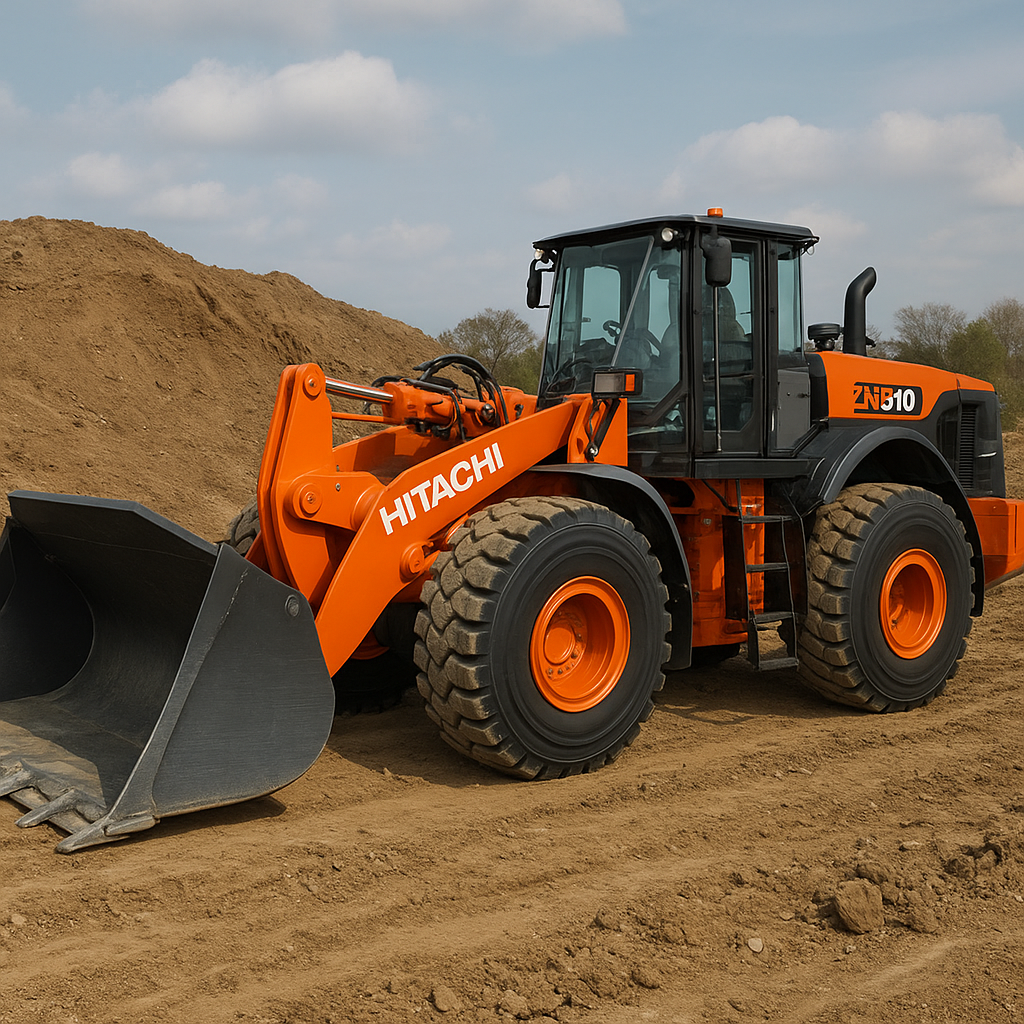
The Hitachi ZW310 is a robust and versatile heavy machine designed to handle a wide range of material‑handling tasks. Combining proven mechanical design with modern controls and comfort features, the ZW310 is built to deliver consistent productivity on construction sites, quarries, ports and recycling yards. This article examines the machine’s design, typical applications, technical characteristics and operational considerations, offering practical information for buyers, operators and fleet managers.
Overview and design philosophy
The ZW310 comes from a family of medium‑to‑large wheel loaders that balance power, durability and serviceability. The model name has appeared in several series updates, with improvements over time to emissions, hydraulics and operator ergonomics. From its rigid frame and robust axles to its powerful drivetrain, this loader is engineered to perform heavy loading cycles while minimizing downtime.
Core structural elements
- Frame and axles: The loader uses a heavy‑duty frame and permanently lubricated articulation joint that provide durability and long life in harsh environments. The axle design emphasizes stability for lifting and travel with heavy loads.
- Loader linkage: The Z‑link or parallel linkage options provide a combination of breakout force and excellent bucket curl for loading, grading and material handling tasks.
- Engine and cooling: The power unit is chosen to balance torque, responsiveness and compliance with modern emissions regulations, with cooling systems sized for sustained duty cycles.
- Hydraulics: A responsive hydraulic system supports smooth bucket and arm motion along with optional attachments such as forks, grapples and high‑dump buckets.
Hitachi places emphasis on serviceability. Ground‑level access to filters, drains and major service points reduces inspection time and simplifies routine maintenance. Many operators value the combination of rugged components with straightforward servicing procedures.
Typical applications and industries
The ZW310 is versatile enough to be found in a variety of sectors where high productivity and durability matter. Below are key application areas where this loader excels.
Construction and earthmoving
- Site preparation: Moving stockpiles, loading dump trucks and rehandling soils.
- Roadworks: Feeding crushers, grading and supporting asphalt and concrete operations.
- General contracting: Utilities, urban construction and materials handling in confined sites.
Quarrying and mining support
- Aggregate handling: Loading large trucks and hoppers with crushed rock, sand and gravel.
- Stockpile management: Fast cycle times and high breakout force help keep production lines moving.
Ports, logistics and recycling
- Bulk material movement: Coal, ore, fertilizer and grain handling with appropriate attachments and guarding.
- Waste and recycling yards: Grapples and specialized buckets enable sorting, loading and moving of mixed waste streams.
- Container depots and terminals: High lift and robust stability assist with truck and trailer loading operations.
Agriculture and industrial estates
- Farm feed handling, manure and silage work with agricultural buckets or pallet forks.
- Industrial yards: Moving wood chips, sawmill residues and other bulk materials.
The adaptability of the ZW310 comes largely from its ability to accept a wide variety of attachments and optional configurations that match a specific task. This makes it a common choice for contractors who need a single machine to perform many different roles.
Performance characteristics and technical data
Key performance indicators for the ZW310 include engine power, operating weight, bucket capacity, breakout force and travel speed. Exact values vary by model year and specification, but the following figures provide a practical picture of what to expect. Note that manufacturers often offer variants such as Stage IV/Tier 4 Final compliant engines and different axle or transmission options to suit regional markets.
- Operating weight: Typically in the mid‑to‑upper tonnage range for this class, depending on configuration and attachments.
- Bucket capacity: Commonly available in multiple bucket sizes, often ranging from approximately 2.8 to 5.0 cubic meters for standard buckets; specialty buckets alter capacity and payload.
- Engine power: Engines fitted to this size class usually deliver a balance of torque and power suited for heavy cycles. Expect a rated power that supports strong low‑end torque for bucket fill and breakout.
- Breakout force: Designed for demanding digging and loading tasks, offering high hydraulic flow and cylinder sizing to translate into effective breakout performance.
- Rated payload and lift height: Lift configurations vary, with standard and high‑lift options to suit truck loading or bulk handling.
Because specific numbers depend on model year and region, fleet managers should consult current factory data sheets or dealer specifications for precise metrics. Typical published specifications across the ZW300 series provide a baseline for comparisons with other brands and models in the 20‑ton class.
Fuel consumption and emissions
Modern iterations of the ZW310 prioritize fuel efficiency and emissions compliance. Engines compliant with Stage IV or Tier 4 Final standards use a combination of selective catalytic reduction (SCR), exhaust gas recirculation (EGR) and diesel particulate filters where required by local regulation. Operators often see fuel burn improvements compared to older generation loaders due to optimized engine mapping, load sensing hydraulics and intelligent transmission controls.
Travel and hydraulic systems
- Transmission: Powershift or torque‑converter transmissions provide smooth acceleration under load with automatic shift logic to improve cycle times.
- Hydraulics: Load‑sensing systems modulate pump output to match demand, improving responsiveness while reducing wasted power.
- Attachment support: Auxiliary circuits enable hydraulic attachments such as grapples, multi‑bucket systems and pallet forks.
Operator comfort, safety and onboard technology
Improving operator productivity is not only about raw power. The ZW310 focuses on ergonomics, visibility and safety systems to reduce fatigue and increase uptime during long shifts.
Cab design and controls
- Visibility: Large glazed areas and optimized boom geometry provide clear sightlines to the bucket and immediate work area.
- Ergonomics: Adjustable seats, tilting steering columns and logically arranged controls reduce operator strain.
- Climate control: Effective heating and air conditioning maintain comfort in all seasons.
Controls may include switchable automation for bucket return, creep driving modes for precision work and selectable ride control for smoother travel with high loads. Telematics and remote monitoring options are often available to track operating hours, fuel use and fault codes for centralized fleet management.
Safety features
- Rollover protective structures and falling object protective systems as standard or optional depending on market requirements.
- Rearview cameras, proximity sensors and audible alarms assist in reducing blind‑spot incidents in busy yards.
- Service interlocks prevent accidental movements during maintenance.
Maintenance, lifecycle and ownership costs
Long‑term value from a ZW310 comes from predictable maintenance schedules, parts availability and the resale value of a well maintained machine. Hitachi emphasizes ease of access to routine service points, which reduces labor time and service costs.
Maintenance intervals and tips
- Daily checks: Visual inspection, fluid levels and grease points help catch small issues early.
- Scheduled servicing: Filters, oils and coolant replacements should follow manufacturer recommendations; adherence maximizes component life.
- Undercarriage and axle care: Regular inspection of tires, axles and articulation joints prevents costly failures.
Well‑documented service history increases resale value. Many operators adopt telematics to track usage patterns that inform preventive maintenance programs, reducing unplanned downtime.
Depreciation and total cost of ownership
Initial purchase price is only part of the economic picture. Fuel, tires, consumables and labor influence the total cost of ownership. Used market values for this class of wheel loader typically remain strong where demand for material handling and construction equipment is robust. Proper maintenance, operator training and selecting the right attachments for each task reduce wear and operating costs.
Attachments and customization
One of the ZW310’s strengths is its adaptability through attachments that expand the machine’s capabilities. Choosing the right tool for the job optimizes cycle times and reduces wear.
- Buckets: General purpose, heavy‑duty rock, light material and high‑capacity options.
- Forks and pallets: For materials handling and yard operations.
- Grapples and log forks: For waste, recycling and forestry applications.
- Snow blades and blowers: For municipal and seasonal tasks.
Attachment hydraulic requirements and coupling systems should be matched to the loader’s auxiliary hydraulics and pin configurations to ensure safe operation.
Practical tips for operators and fleet managers
To get the most from a ZW310, operators and managers should focus on the following actions:
- Operator training: Skilled operators reduce fuel use, avoid excessive wear and improve cycle times.
- Match attachments to the task: Oversized buckets reduce lift cycles but can overload the machine; choose the right balance between capacity and payload.
- Monitor telematics: Use data on idle time, fuel consumption and fault codes to optimize operations and preventive maintenance.
- Maintain tires and axles: Proper tire pressure and routine axle inspections extend service life and improve fuel economy.
- Document service: A complete maintenance log enhances resale value and simplifies warranty claims.
Comparisons and market position
In the segment where the ZW310 competes, buyers often compare overall lifecycle costs, dealer support, parts availability and operator comfort in addition to raw specifications. The ZW310 is positioned as a reliable workhorse with solid manufacturer backing and a product support network in many markets.
When selecting between models and brands, consider real operating conditions, load profiles and the availability of local service. Machines with similar rated power can perform differently based on transmission mapping, hydraulic system design and bucket geometry.
Concluding observations
The Hitachi ZW310 represents a practical blend of strength, versatility and operator‑focused design. For users who require a dependable loader capable of handling demanding cycles in construction, quarrying, ports or recycling, the ZW310 offers a competitive option. Its modularity through attachments, emphasis on serviceability and incorporation of modern emissions and fuel conservation technologies make it suitable for contemporary jobsite needs.
To obtain precise technical specifications such as horsepower, operating weight, breakout force and bucket dimensions for a specific model year or regional variant, contact an authorized dealer or consult the official specification sheet. Matching the machine configuration to the intended application remains the single most important factor in achieving high productivity and low operating costs.
)
)