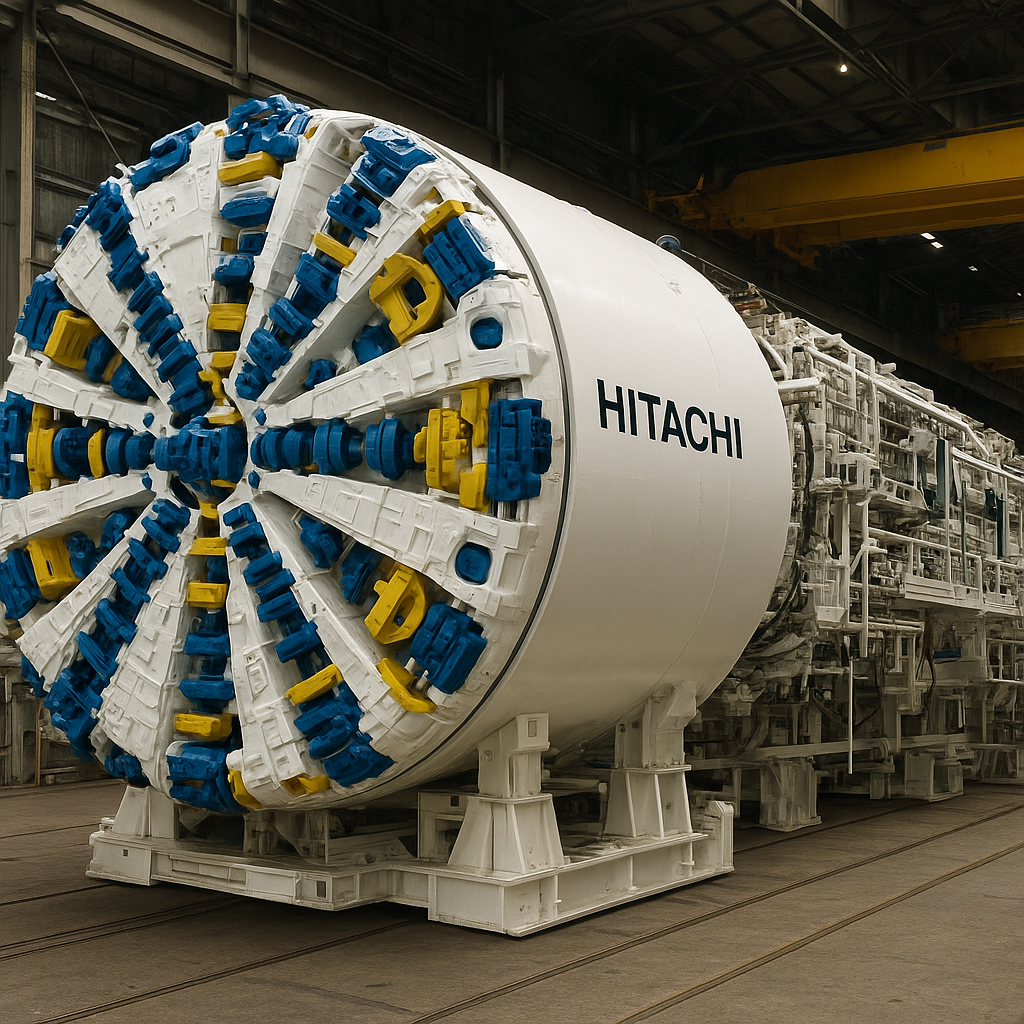
The Hitachi Zosen TBM is a prominent example of modern mechanized tunneling technology. Combining decades of Japanese engineering with global tunneling experience, these machines have been used for a wide range of underground projects. This article explores the design, operation, applications, and interesting technical and statistical aspects of the Hitachi Zosen tunnel boring machines, with attention to their capabilities, advantages, and challenges in contemporary civil engineering.
Design and main components
At the heart of any modern mechanized tunneling system is the tunnel boring machine itself — a complex integration of mechanical, hydraulic, electrical and control subsystems. Hitachi Zosen TBMs follow the standard modular architecture used in the industry, optimized for reliability and maintainability.
Primary structural elements
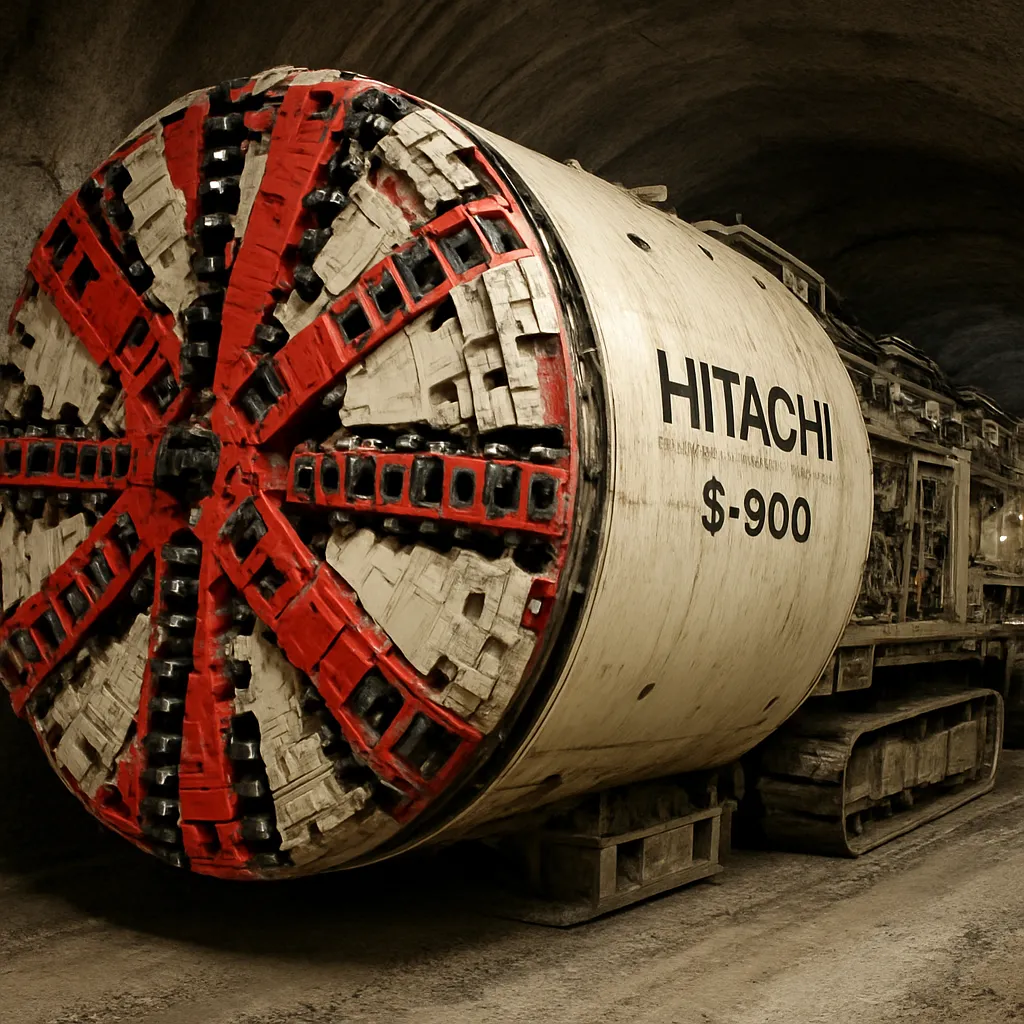
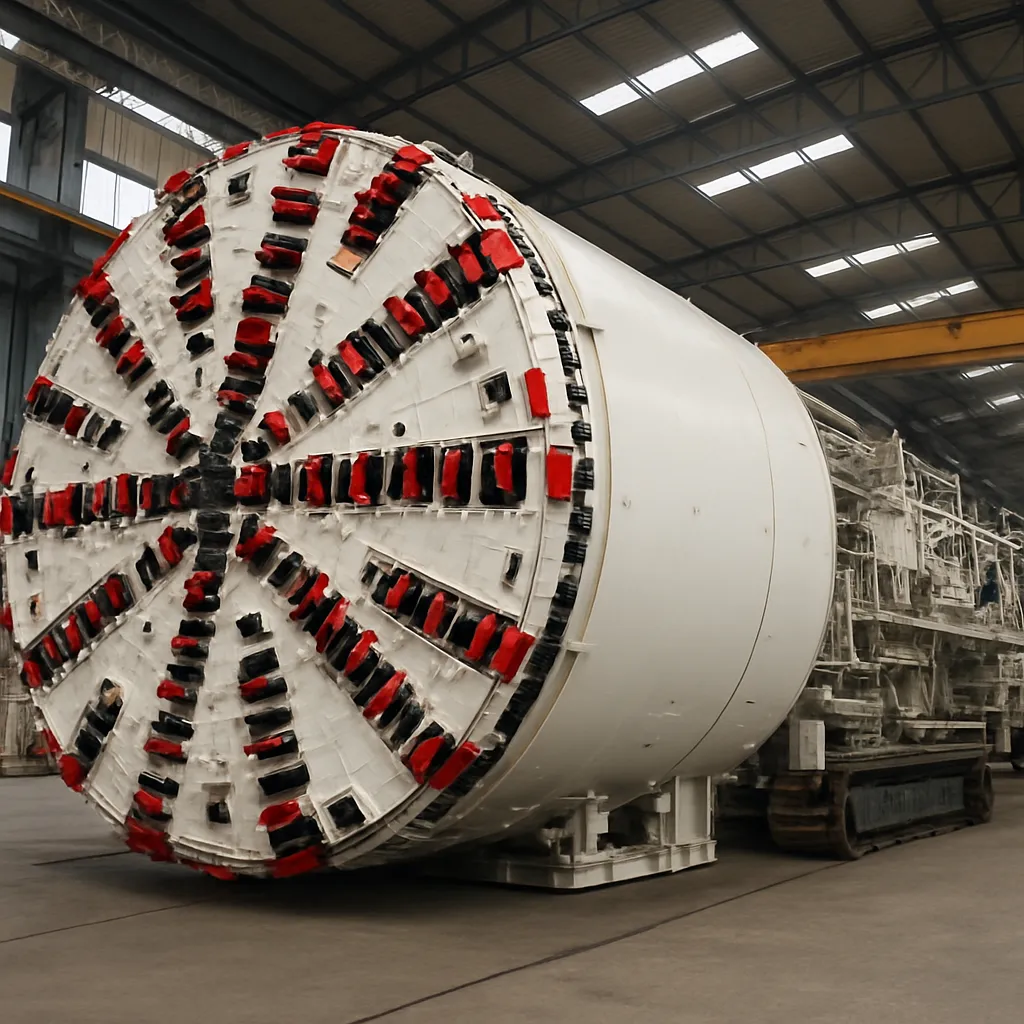
- Cutterhead: The rotating front face that excavates the ground. It is outfitted with disc cutters or drag cutters depending on geology, and its design determines the machine’s performance in different soil and rock types.
- Shield: A cylindrical shell that supports the excavated face and provides a continuous working environment for crew and equipment behind the cutterhead.
- Backup system: The trailing structure that carries power units, conveyor belts, slurry pumps (if applicable), segment erectors, and other auxiliary equipment. It is modular so that length and configuration can be adapted to project needs.
- Segment erector and lining equipment: For segmental lining tunnels, a mechanized erector installs precast concrete segments and a crawler or transfer system moves them into position.
- Grouting and concrete systems: For annular grout injection, consolidation grouting, and other post-excavation stabilization tasks.
Mechanical and hydraulic subsystems
Hitachi Zosen adopts robust hydraulic drive systems for cutterhead rotation, thrust cylinders for pushing the TBM forward, and high-capacity conveyors or slurry pipelines for muck removal. Key features include redundancy in hydraulic pumps, modular power packs for easier maintenance, and high-strength materials for components exposed to abrasion.
Controls, instrumentation and monitoring
Modern Hitachi Zosen TBMs are equipped with advanced control systems that monitor torque, thrust, cutterhead speed, and face pressure. Instrumentation often includes geological sensors, inclinometry, ring alignment systems, and systems to monitor cutter wear. Real-time monitoring enables operational adjustments to optimize the advance rate and reduce downtime due to unexpected ground conditions.
Types and technological variants
Tunneling conditions vary widely, and Hitachi Zosen designs machines that address different ground behaviors and project requirements. The main types are:
- Earth Pressure Balance (EPB) machines: Designed for soft ground with mixed granular and cohesive soils, EPBs maintain face stability by controlling the balance of excavated material in the cutter chamber. They are widely used in urban metro tunneling where groundwater and unconsolidated soils are common.
- Slurry shield TBMs: These machines use pressurized slurry (usually bentonite-based) to balance water and soil pressure at the face. Spoil is transported out of the tunnel as a slurry and processed at a separation plant.
- Gripper or hard rock TBMs: Rely on rock pressure via grippers to resist reaction forces while cutterheads equipped with disc cutters mechanically fracture hard rock.
- Double-shield and single-shield TBMs: Double-shield TBMs allow continuous advance with simultaneous segment erection by alternating between shield drive and gripper levers, improving speed in long rock tunnels; single-shield TBMs are simpler and used where grippers are unnecessary.
- Mixshield and hybrid machines: Engineered for mixed-face conditions where variable ground types might be encountered within short distances.
- Micro and small-diameter TBMs: For utility ducts, service tunnels, and small pipelines, these compact machines reduce surface disruption and are often used in dense urban environments.
Hitachi Zosen offers customization in cutterhead geometry, soil conditioning systems (foam, polymers), and slurry separation plants to match the chosen TBM type to site-specific geology.
Applications and typical use cases
TBMs by Hitachi Zosen are applied in a broad spectrum of underground works where mechanized excavation offers advantages over conventional drill-and-blast or cut-and-cover methods. Common uses include:
- Urban metro and railway tunnels: Minimizing surface disruption, stabilizing groundwater intrusion, and ensuring precise alignment are critical in metropolitan construction.
- Road tunnels and highway bypasses: Long, continuous bores reduce the need for repeated portal openings and minimize environmental impact.
- Water conveyance and sewer tunnels: EPB and slurry shield TBMs are commonly used to construct deep water tunnels and sewer interceptors that require precise flow profiles and durable linings.
- Hydroelectric and mining access tunnels: Hard-rock machines provide efficient excavation for power plants and mining infrastructure.
- Undersea and long-bore tunnels: When combined with appropriate testing and design, large-diameter TBMs are capable of constructing subsea sections with robust lining and pressure management systems.
Case study: Large-diameter TBMs and urban programs
Large-scale urban programs increasingly favor mechanized tunneling. One widely publicized example (manufactured by a Japanese TBM maker including Hitachi Zosen) highlighted both the potential and challenges of very large-diameter TBMs in complex urban geology: oversized machines deliver faster tunnel ring construction and reduced surface impact but require meticulous logistical planning for assembly, maintenance, and spoil handling. The experience underscored the need for contingency planning for cutterhead repairs, ground conditioning, and coordination with surface utilities.
Performance, statistics and economics
Tunneling performance and economics are influenced by TBM size, ground conditions, logistics, and the chosen technological approach. Below are typical statistical ranges and economic considerations relevant to Hitachi Zosen TBMs and similar machines.
Size and capability ranges
- Diameter: TBMs range from micro diameters below 0.5 m to very large diameters exceeding 15–17 m. Machines in the 6–10 m range are common for metro and rail applications, while diameters of 12 m and above are used for large road or multi-lane tunnels and subsea bores.
- Thrust capacity: Modern large TBMs can develop cumulative thrust forces ranging from several hundred to several thousand tons, distributed among multiple hydraulic cylinders.
- Torque and cutterhead power: Cutterhead drive systems for large machines may deliver thousands to tens of thousands of kW of drive power, enabling continuous excavation in abrasive rock conditions.
- Advance rates: Highly variable — from under 1 meter per day in difficult mixed or hard-rock conditions to short bursts exceeding 50–100 meters per day under favorable geological and logistical conditions. Average commercial averages often lie in the range of 5–20 meters per day for many urban projects.
Cost considerations
- Capital cost of a TBM can vary widely. Small micro TBMs may cost a few hundred thousand to a few million USD, while large-diameter, custom-designed machines often cost tens of millions of dollars. Very large TBMs and complex systems (including separation plants, ground conditioning, and advanced instrumentation) can exceed USD 50–100 million when fully equipped.
- Operational expenditure includes crew, energy (powering hydraulic and electric systems), maintenance (especially cutter replacement), spoil handling and transportation, and consumables such as sealing materials and grout. Logistics for assembling, launching, and retrieving a TBM add to project budgets.
- Time and risk: Unexpected geology is a primary cause of delays and cost overruns in tunneling. The upfront investment in detailed geotechnical investigations and adaptable TBM design often pays off through reduced downtime and fewer change orders.
Spoil management and environmental footprint
TBM projects generate substantial volumes of spoil. Hitachi Zosen TBM systems include options for continuous conveyor removal, slurry pipelines to surface separation plants, and compartmentalized muck cars for small-diameter projects. Modern projects prioritize reuse of spoil as construction fill or aggregate after processing to reduce environmental impact. Advantages of mechanized tunneling include lower surface disruption, reduced noise and vibration compared with blasting, and often improved safety records when compared with conventional tunneling methods.
Operational challenges and maintenance
Even with advanced design, TBM operation presents several recurring challenges that must be managed by project teams. Key operational concerns include:
- Cutter wear and replacement: Cutterhead cutters and disc cutters are wear items; their life varies with geology. Planned maintenance windows for cutter replacement are crucial to prevent unplanned stoppages.
- Face stability and groundwater management: In water-bearing strata, maintaining face pressure (via EPB or slurry systems) and preventing inflow are essential to avoid settlement and preserve tunnel alignment.
- Power and cooling: Large TBMs consume significant electrical power. Backup power arrangements and effective thermal management are necessary, especially in long continuous drives.
- Logistics of segment supply and erector operation: For segmental lining, synchronized delivery of precast rings and reliable operation of the segment erector directly influence daily progress.
- Emergency response and bore rescue planning: In the event of mechanical failure, ground loss, or other unforeseen events, pre-established contingency plans, including means to access the face, are mandatory.
Technology trends addressing these challenges
Recent trends in TBM technology, including systems developed and integrated by established manufacturers such as Hitachi Zosen, focus on automation, predictive maintenance, and improved geotechnical sensing. Typical innovations include:
- Automated control loops for maintaining face pressure and optimizing cutterhead speed under varying loads.
- Integrated sensor suites and data analytics for predicting cutter wear and scheduling maintenance before failure occurs.
- Remote monitoring and partial automation of support functions, enabling safer operations and reduced manual exposure in confined environments.
- Advanced soil conditioning agents and injection strategies to optimize muck flow and reduce torque spikes.
Notable examples and historical context
The history of modern large-diameter TBMs includes several headline-making projects where the capabilities and limits of mechanized tunneling were demonstrated. These machines have been used in both successful rapid construction programs and complex problem-solving operations where unexpected ground conditions required extended recovery work. Hitachi Zosen’s TBM offerings are part of a global field that has continuously evolved since the mid-20th century, incorporating improvements from every major tunneling program.
Manufacturing and customization
Hitachi Zosen manufactures machines to customer specifications, collaborating with project engineers to tailor cutterhead layout, backup configuration, slurry separation capacity, and segment handling systems to site constraints. Manufacturing includes precision machining of cutterhead components, pressure-tested hydraulic systems, and factory integration of control software. Many machines are trialed in factory assembly halls prior to shipping to reduce on-site commissioning time.
Future directions and innovations
Looking forward, TBM design continues to adapt to global infrastructure needs. Areas of active development relevant to Hitachi Zosen and the broader industry include:
- Increased use of digital twins and simulation to predict TBM behavior under varying geological scenarios and optimize machine selection before procurement.
- Improvements in material science for cutter and seal components to extend operational life in abrasive environments.
- Greater electrification and hybrid power systems to improve energy efficiency and reduce greenhouse gas emissions of tunneling operations.
- Integration of machine learning models fed by decades of tunneling project data to improve real-time decision-making and reduce human reaction time to anomalies.
- Designs that minimize assembly time and modularize backup systems for faster mobilization and demobilization on short urban projects.
Concluding technical perspective
Hitachi Zosen TBMs represent a mature and adaptable approach to underground construction. Their modular design, compatibility with a range of tunneling methodologies (including EPB and slurry shield concepts), and integration of modern monitoring systems make them suitable for projects from small utility bores to very large urban and subsea tunnels. While tunneling will always face geological and logistical uncertainties, advances in control systems, sensor integration, and materials science continue to expand the frontier of what mechanized tunneling can achieve.
Key operational success factors include rigorous geotechnical investigation, careful machine selection and configuration, robust logistics for spoil and segment management, and investment in predictive maintenance. With these elements in place, Hitachi Zosen TBMs and similar modern machines can deliver underground infrastructure with minimized surface impact, improved safety, and reliable schedule performance.
Glossary of selected terms
- Hitachi Zosen — Japanese engineering firm and TBM manufacturer involved in the design and production of tunnel boring machines.
- cutterhead — The rotating front that excavates the tunnel face.
- EPB — Earth Pressure Balance, a TBM type for soft ground tunneling.
- slurry shield — TBM that uses pressurized slurry to balance the tunnel face.
- diameter — The cross-sectional measurement of the tunnel bore, influencing machine size and project scope.
- segments — Precast concrete rings installed as permanent lining in mechanized tunneling.
- grouting — Process of injecting grout to fill voids and stabilize the annular space between lining and ground.
- automation — Use of control systems to optimize TBM operation.
- advance rate — The measure of daily tunneling progress, usually in meters per day.
)
)