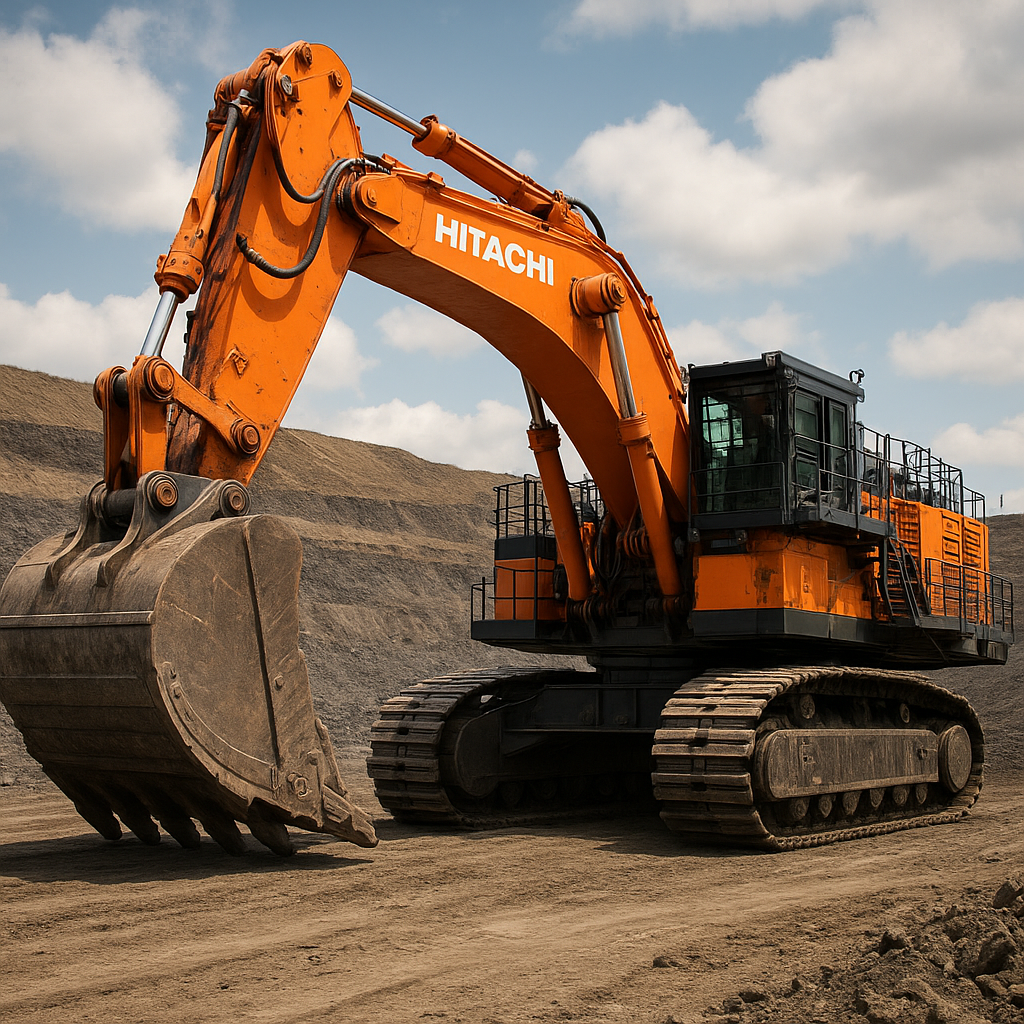
The Hitachi EX8000-7 represents one of the largest hydraulic mining excavators on the market, designed for continuous heavy-duty open-pit operations. This article examines its design, applications, technical characteristics, operational advantages and challenges, maintenance considerations, and how it compares to other ultra-class excavators. The content below provides practical insights for mining engineers, fleet managers, and anyone interested in the technology behind large-scale earthmoving machines.
Overview and intended applications
The Hitachi EX8000-7 is built primarily for the most demanding surface mining tasks, including stripping overburden, loading large haul trucks, and moving massive volumes of material in high-production mines. It finds common application in:
- open-pit coal and iron ore mines;
- copper and metallurgical ore operations where large-scale material handling is essential;
- major civil earthworks projects requiring sustained high hourly production;
- stockpile re-handling and bulk material management in ports and large terminals.
Operators choose machines like the EX8000-7 when the goal is maximizing bank cubic meters moved per hour with high availability and predictable performance. The machine is engineered to pair with ultra-class haul trucks and integrated fleet systems to achieve efficient truck-shovel cycles.
Design, powertrain and hydraulic systems
The EX8000-7 combines a robust structural frame with high-capacity hydraulic systems and a powertrain selected to supply continuous torque and flow for large bucket cycles. Key design elements include a reinforced house and undercarriage, large-diameter swing components, and heavy-duty boom and arm assemblies that tolerate elevated fatigue loads over long service lives.
Powertrain and engines
- The machine utilizes high-output diesel engines configured to deliver continuous power for excavation and swing operations. Modern variants emphasize improved fuel efficiency and reduced specific fuel consumption compared to earlier generations.
- Multiple redundant systems help maintain uptime; electronic monitoring and engine management support optimized combustion and load sharing under variable duty cycles.
Hydraulics and cycle performance
The hydraulic architecture is engineered for high flow and pressure to enable fast bucket filling and rapid swing speeds when loaded. Priorities in the design are responsiveness, heat rejection capacity, and serviceability of pumps, valves, and coolers. Advanced hydraulic control strategies (such as flow sharing and load sensing) help the EX8000-7 deliver consistent cycle times under heavy loads.
Bucket options and attachments
Depending on the application and material characteristics, the EX8000-7 can be equipped with a variety of bucket configurations—ranging from high-capacity rock buckets to more aggressive profile coal buckets. Optional attachments and wear packages (lip systems, side cutters, and reinforced toe assemblies) increase life between rebuilds in abrasive conditions.
Key dimensions and performance figures (typical)
Specifications for ultra-class excavators vary by configuration and regional offerings. Typical figures associated with machines in this class, including the EX8000-7, are:
- Operating weight: around 800 tonnes (varies by bucket and counterweight configuration);
- Bucket capacity: often in the range of 30 to 52 m³, depending on the material and application;
- Engine power: combined installed power commonly measured in the low thousands of kilowatts (effective installed power optimized for continuous heavy loading);
- Typical cycle times: highly dependent on dipper size, material type, and operator technique — optimized fleets often target short fill times and minimal truck waiting;
- Operating environment: designed for 24/7 operation with robust cooling, filtration and dust control systems for harsh open-pit conditions.
Note: exact numbers depend on factory options and customer specifications. Fleet planners should consult factory technical data sheets for final values tailored to their configuration and payload objectives.
Operational advantages
Deploying the EX8000-7 yields several strategic and operational benefits for large mines:
- High hourly production — large buckets and heavy dipper capacities allow a single shovel to load multiple ultra-class trucks per hour, supporting economies of scale;
- Improved fuel efficiency compared with some previous generations, thanks to optimized engine calibration and hydraulic recovery strategies;
- Operator ergonomics and safety — modern cabs with enhanced visibility, climate control, and digital displays reduce fatigue and improve situational awareness;
- Remote monitoring and diagnostics — telematics systems allow real-time performance tracking, preventive maintenance scheduling, and remote troubleshooting, increasing machine availability;
- Lifecycle design — reinforced structures and modular service points reduce downtime during component replacements, and heavy-wear parts are designed for efficient in-field change-out.
Maintenance, lifecycle costs and reliability
Maintenance planning for ultra-class excavators is critical to cost control. The EX8000-7 is engineered with serviceability in mind, but the scale of components and the expense of major items make preventive maintenance essential.
Planned maintenance and downtime management
- Scheduled oil and filter changes, hydraulic fluid monitoring, and regular inspection of high-stress members (pins, bushings, booms) are routine tasks that extend component life.
- Wear liners, cutting edges, and bucket teeth are consumables with significant impact on productivity; optimized spare parts strategies and stocking critical components can minimize repair lead times.
- Condition-monitoring sensors (vibration, oil particulate measurement, thermal imaging) allow condition-based maintenance and can significantly reduce unplanned failures.
Lifecycle cost considerations
While the capital outlay for ultra-class shovels is substantial, lifecycle costs are influenced more by fuel consumption, maintenance intervals, parts prices, and availability than by purchase price alone. Mines often evaluate cost-per-cubic-meter moved as the primary metric; in many operations, the EX8000-7 competes favorably when configured and operated for the intended material and haul cycle.
Safety features and operator environment
Safety is integral to the design of large hydraulic excavators. Features commonly found on modern EX8000-7 machines include:
- reinforced operator cabin with roll-over protection systems and advanced seating to reduce fatigue;
- 360-degree cameras, object-detection sensors and proximity alarms to mitigate collision risk with trucks and personnel;
- interlock systems to prevent potentially dangerous hydraulic movements during maintenance;
- integrated shutdown sequences and fire suppression options suitable for large diesel powertrains in hot environments.
These systems, combined with comprehensive operator training programs and clearly defined site traffic rules, improve overall fleet safety performance.
Comparisons with competitors and market context
The EX8000-7 competes in the ultra-class hydraulic excavator segment against models from other major manufacturers. Buyers evaluate machines on hourly production, fuel burn, ease of maintenance, and total cost of ownership. A few market realities to consider:
- Rival manufacturers produce machines with similar bucket classes and operating weights; the differences often come down to hydraulics tuning, parts life, and dealer support networks.
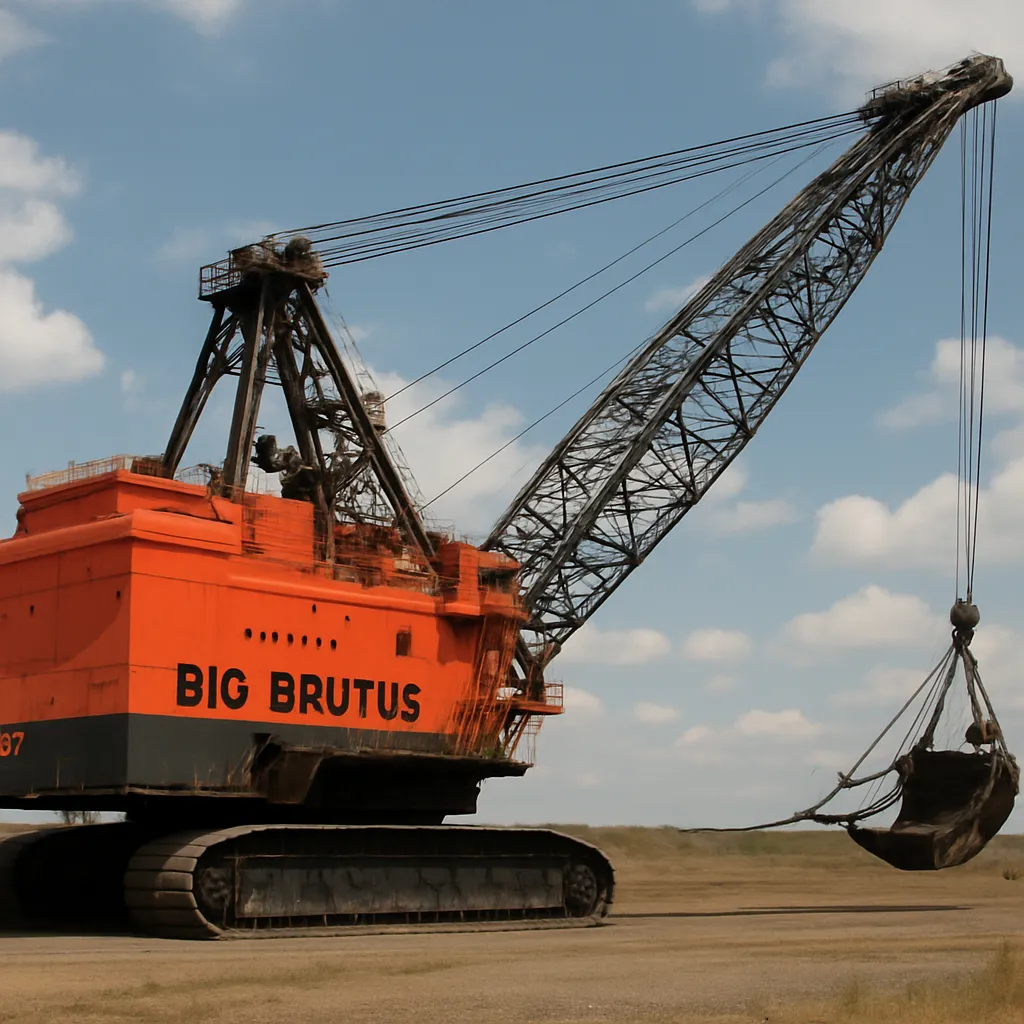
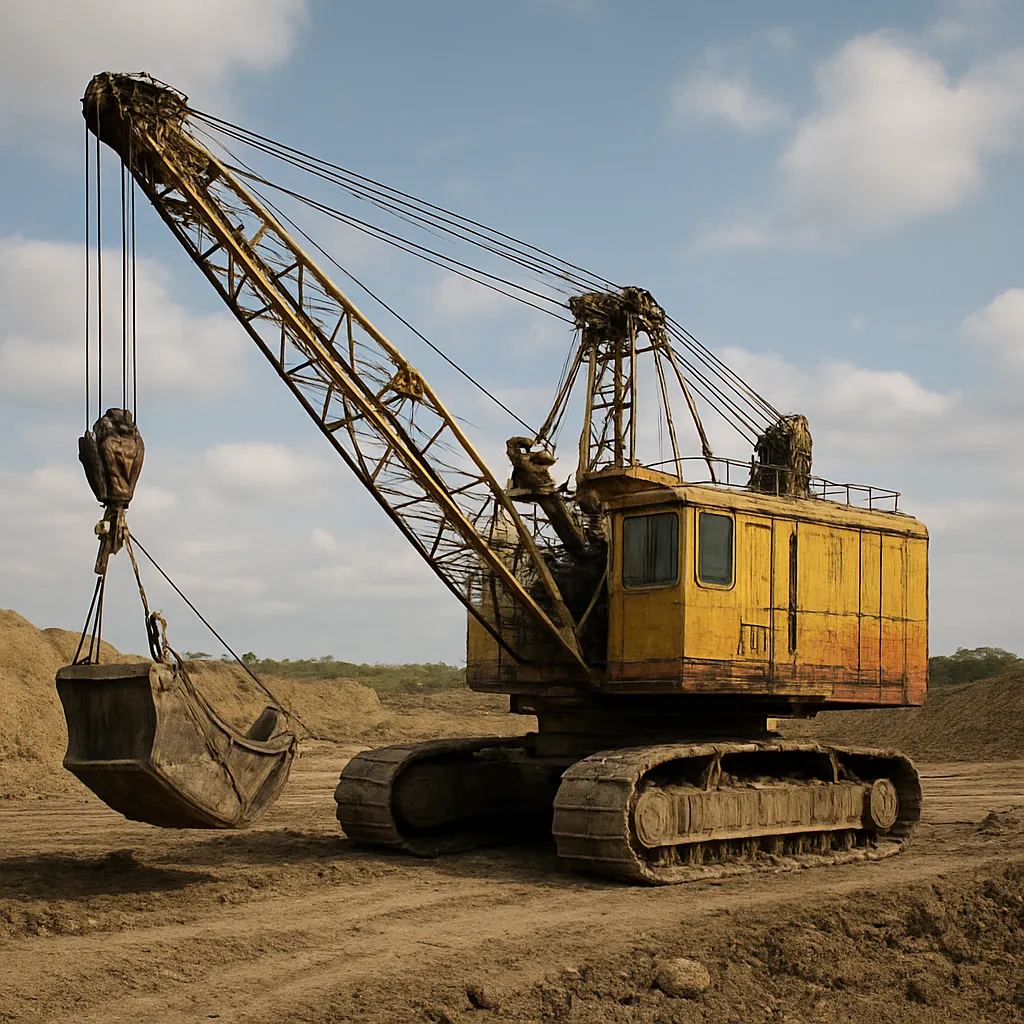
- In some regions, rope shovels remain preferred for extremely abrasive or high-volume hard-rock operations. Hydraulic shovels like the EX8000-7, however, offer faster cycle times and greater flexibility for varied duties.
- Technological trends such as electrification, hybrid power systems, and autonomy are influencing future design directions. Manufacturers increasingly supply machines compatible with fleet electrification and remote operation solutions.
Environmental and efficiency considerations
Large excavators consume significant fuel and can have substantial environmental footprints. Modern designs attempt to reduce emissions and improve efficiency through:
- engine tuning for better thermal efficiency and lower specific fuel consumption;
- hydraulic energy recovery strategies and improved control algorithms to reduce wasted power during idle or low-load periods;
- use of synthetic lubricants and advanced filtration to extend service intervals and reduce waste streams;
- integration with electrified haulage systems or on-site power solutions (e.g., electric rope shovels or battery-hybrid concepts) where feasible.
Regulation and corporate sustainability targets are driving mines to evaluate the overall carbon intensity of their equipment fleets, and machines like the EX8000-7 are part of that optimization process.
Technological trends and future prospects
Several technological trends are shaping the future of ultra-class excavators:
- Automation: autonomous or semi-autonomous loading reduces variability in truck-shovel cycles and improves safety near working faces.
- Telematics and data analytics: data-driven maintenance and production optimization maximize uptime and allow real-time adjustments to fleet operations.
- Electrification and hybridization: as mines adopt electric haul trucks and on-site power infrastructure, hydraulic excavators will increasingly integrate with electrified systems to reduce operating costs and emissions.
- Advanced materials: improved steels and wear-resistant alloys increase life of structural components and reduce overall mass where possible, benefiting fuel economy and transport logistics.
Logistics, transport and site integration
Deploying an EX8000-7 requires careful planning for transport, assembly, and site integration. Key considerations include:
- transport permits and modular disassembly — booms, arms, buckets and counterweights are often shipped separately and assembled on-site;
- heavy lifting and rigging equipment to position major components safely;
- prepared foundations and access roads capable of supporting mobile service equipment and parts deliveries;
- integration with mine dispatch systems and cycle planning to balance shovel productivity with truck availability.
Case studies and operational examples
Large-scale operations deploying ultra-class excavators typically report benefits in throughput when the machines are matched to the right haul fleet and the working face is properly prepared. Real-world examples often highlight:
- significant increases in hourly bank cubic meters moved after replacing smaller shovels with ultra-class units;
- reduced truck queue times when shovel cycle times are optimized and fleet control systems coordinate truck arrivals;
- improved life-of-mine economics where the high initial capital is offset by lower unit operating costs and higher productivity.
Purchasing considerations and final thoughts
When evaluating a purchase or lease of an EX8000-7, consider these practical points:
- match the bucket and dipper style precisely to the material type to avoid inefficient fill factors and premature wear;
- assess dealer and OEM support for parts, on-site service, and training in your region;
- implement condition-based maintenance programs from day one to maximize availability;
- analyze overall fleet balance — oversized shovels need appropriately sized haul trucks and support equipment to deliver promised productivity gains.
Used in the right conditions and supported by effective maintenance and fleet management, machines like the Hitachi EX8000-7 can be transformative assets for large open-pit mining operations. Their blend of capacity, durability, and modern control systems makes them suitable for high-production environments where uptime and efficient tonnage movement are priorities. For detailed, configuration-specific statistics (exact weights, installed power ratings, and bucket options), consult the manufacturer’s technical documentation or an authorized dealer to ensure the numbers match the intended site configuration.
)
)