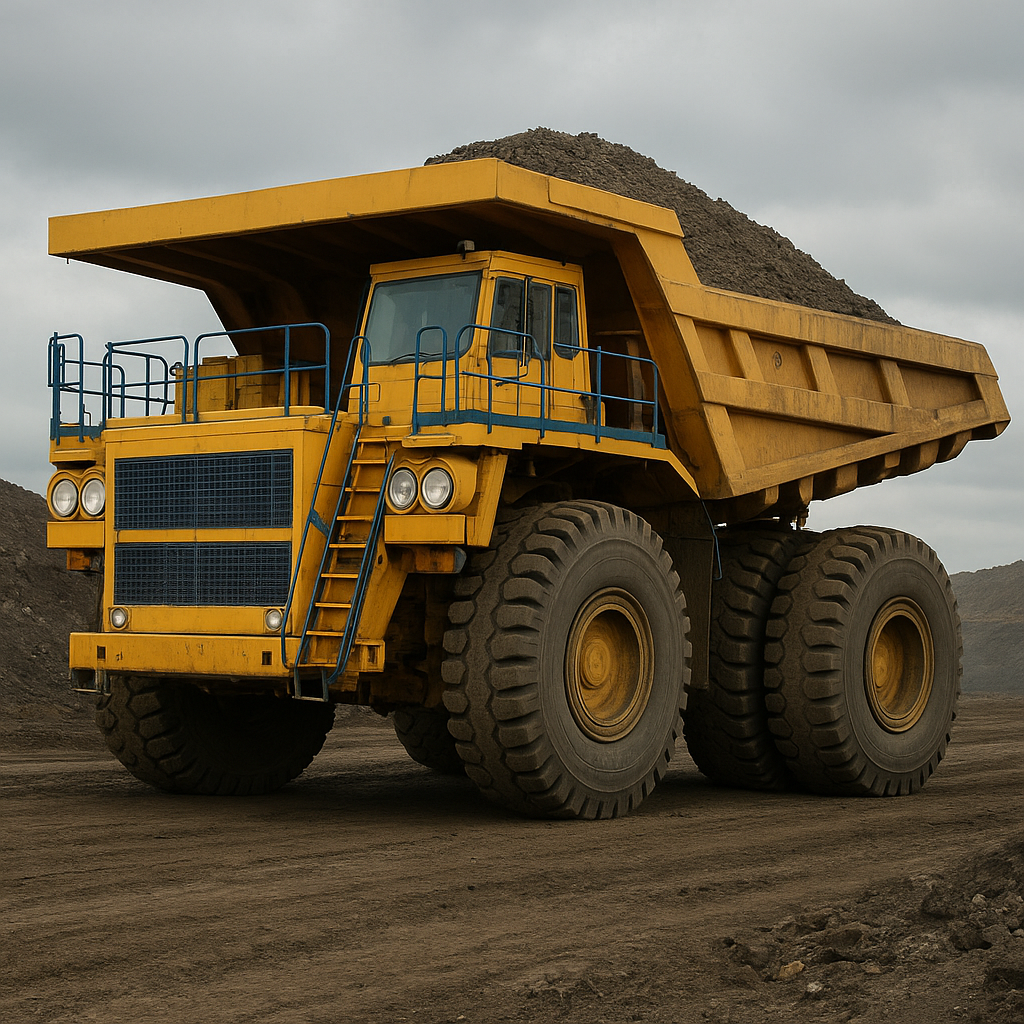
The BelAZ-75600 is a representative of the modern ultra-class mining haul trucks designed to move massive loads in open-pit mining and large-scale earthmoving operations. This article explores the machine’s design, typical applications, operational characteristics, economic and environmental considerations, and how it compares with other trucks in the same category. Below you will find technical context, operational statistics where available, and practical insights for owners, operators, and fleet managers.
Overview and historical context
The Belarusian manufacturer BelAZ has a long history of producing heavy-duty mining equipment. The model often referred to as BelAZ-75600 belongs to a family of large-capacity dump trucks engineered to carry very high payloads over tough terrain. While BelAZ is perhaps best known globally for its record-setting BelAZ-75710 (one of the world’s largest dump trucks), the 75xxx series includes several models aimed at different payload classes and job profiles.
These vehicles were developed in response to the enormous demand for efficient material movement in the mining sector. Open-pit mines, quarrying operations, and large civil-engineering projects require machines that can deliver high volumetric throughput with acceptable life-cycle costs. The BelAZ-75600 fits into that operational niche as a machine balancing capacity, mobility, and maintainability.
Design and technical characteristics
The BelAZ-75600 follows the architectural conventions common to ultra-class haul trucks, combining a heavy-duty chassis, an articulated or rigid dump body (rigid in this case), and a powertrain engineered for sustained torque delivery. Key attributes and design considerations include:
- Payload and body: The payload capacity of models in this series typically falls into the upper hundreds of tonnes. Exact payload rating depends on configuration, options, and regional homologation, but trucks in the 75xxx family usually target a high-capacity payload to maximize productivity per cycle.
- Powertrain: Power units for these trucks can be large diesel engines or hybrid diesel-electric systems. The emphasis is on delivering high torque at low speeds for mountain and pit-haul applications. Depending on variant, the BelAZ-75600 may be offered with a transmission optimized for heavy start-stop cycling and long uphill hauls.
- Frame and axles: A reinforced frame and heavy-duty axles permit year-round operation in harsh mining environments. Designers focus on durability under repeated impact loads and large lateral stresses.
- Suspension and steering: Large-diameter tires and robust suspension systems enable the truck to carry full loads over uneven haul roads. Steering systems are designed for stability at speed and reliability under heavy loads.
- Cab and ergonomics: Operator comfort and visibility are important for safety and productivity. Modern cabs include climate control, ergonomic seating, intuitive controls, and a suite of monitoring systems for engine, brakes, and hydraulic systems.
Typical specification ranges
Manufacturers often offer multiple configurations. Typical specification ranges for an ultra-class truck in this category are:
- Gross vehicle weight (GVW): several hundred tonnes when fully loaded.
- Payload: commonly between 200 and 350 tonnes for many ultra-class models; specific rating should be confirmed from manufacturer documentation for the BelAZ-75600.
- Engine power: commonly in the range of 1,200–2,500 kW depending on diesel or diesel-electric configuration and local emission requirements.
- Top speed (empty): often 60–65 km/h; loaded speeds are much lower and depend on slope and road conditions.
- Fuel consumption: highly variable, typically tens to hundreds of liters per 100 km-equivalent of work depending on load cycles; fleet-level fuel metrics are usually expressed as liters per tonne-kilometer.
Where the BelAZ-75600 is used
The primary application for the BelAZ-75600 is in large-scale surface mining operations. Typical use cases include:
- Coal, iron ore, and copper open-pit mines, where large volumes of overburden and ore must be hauled to crushers, stockpiles, or processing plants.
- Quarrying and aggregate production when very high throughput is required and road grades and working cycles suit ultra-class machines.
- Large civil earthworks such as dam construction, airport construction, or major infrastructure projects where continuous, heavy material movement is planned.
- Specialized tasks like hauling slag or high-density materials where both truck strength and payload capability are tested.
Operationally, these trucks provide best returns when cycle times are long enough to exploit high payloads — typically in pits with stable, well-engineered haul roads where payload per cycle is prioritized over nimble maneuverability.
Operational performance and fleet economics
Decisions to deploy ultra-class trucks like the BelAZ-75600 depend on a careful assessment of productivity, operating costs, and total cost of ownership (TCO). Key performance indicators (KPIs) include:
- Payload per cycle and cycles per hour — maximized by pairing the truck with suitably sized loading equipment (shovels, loaders).
- Fuel efficiency per tonne moved — a crucial metric in locations with high fuel costs.
- Availability and mean time between failures (MTBF) — influenced by design robustness, operator practices, and preventive maintenance.
- Maintenance cost per operating hour — large trucks often have predictable scheduled maintenance intervals but high costs for major components like engines, drives, and axles.
From an economic viewpoint, replacing multiple smaller trucks with a single ultra-class unit can reduce labor and maintenance overhead, but increases the consequences of a single vehicle outage. Therefore, mines often balance fleet composition with redundancy, maintenance strategy, and the availability of local service capability.
Example productivity calculation
To give a practical frame of reference: assume a truck with an average payload of 250 tonnes, an average cycle time of 30 minutes (including loading, hauling, dumping, and return), and 20 operating hours per day. The daily moved tonnage would be approximately:
- 250 tonnes × (2 cycles per hour × 20 hours) = 10,000 tonnes per day.
Such figures illustrate why ultra-class trucks are attractive for high-throughput mines. Real-world numbers vary with site layout, shovel size, road conditions, and crew efficiency.
Maintenance, safety, and lifecycle management
Maintaining an ultra-class haul truck demands structured planning and specialized workshops. Areas of focus include:
- Preventive maintenance schedules for engines, transmissions, brakes, and hydraulic systems to avoid unplanned downtime.
- Condition monitoring systems that track oil particle counts, vibration, temperature, and other diagnostics to enable predictive maintenance.
- Specialized tooling and lifting equipment to handle large components safely during repair and overhaul.
- Operator training programs emphasizing safe loading, braking, and emergency procedures to reduce accidents and component stress.
- Spare parts logistics — securing a reliable supply of critical parts like tires, drivetrain components, and electronic modules is essential for maximizing availability.
Safety systems typically include rollover protection, enhanced braking packages, automatic fire suppression options, and visibility aids such as cameras and proximity sensors to reduce the risk of collisions in busy pits.
Environmental and regulatory considerations
Modern mining fleets must comply with increasingly strict emissions and noise regulations. Environmental concerns associated with large haul trucks include fuel consumption and greenhouse gas emissions, particulate matter, and the impact of tire wear on dust.
- Emission control: Manufacturers implement engine calibration, aftertreatment systems (e.g., SCR — selective catalytic reduction), and particulate filters where regulatory environments require them.
- Fuel efficiency improvements: Advances in engine design, powertrain optimization, and potentially hybridization help reduce fuel consumption per tonne moved.
- Noise and dust management: Proper haul road design, dust suppression systems, and mufflers reduce local impacts on site workers and nearby communities.
Some mines explore electrified hauling systems (trolley assist) or full electric powertrains to lower emissions and operating costs; such options depend on energy price structure and site electrification capability.
Variants, competition, and comparisons
The BelAZ-75600 competes conceptually with other ultra-class trucks from global manufacturers. Comparative factors buyers evaluate include payload-to-cost ratio, fuel efficiency, dealer support, parts availability, and local service networks.
- Major competitors in the ultra-class segment include machines from manufacturers that produce trucks in the 200–450 tonne payload range; the exact competitive set varies with the model and its rated payload.
- Customization and local assembly or support can tilt purchase decisions where service logistics are critical.
- In many markets, the total life-cycle cost — including acquisition financing, fuel, parts, and residual value — is more decisive than headline payload alone.
Technological trends and future outlook
Several trends are shaping the next generation of haul trucks:
- Electrification: Battery-electric and trolley-assist systems reduce diesel consumption and emissions on certain haul profiles.
- Automation and autonomy: Autonomous haulage systems (AHS) increase productivity and safety by enabling continuous operation and optimized routing.
- Telematics and data analytics: Real-time monitoring and predictive analytics improve uptime and reduce maintenance costs.
- Materials and durability: Advances in metallurgy, composite components, and tire technology extend component life and reduce whole-life costs.
For models like the BelAZ-75600, integration of telematics and compatibility with AHS platforms can be a significant differentiator in modern mine fleets.
Operational case studies and practical considerations
While specific operational case studies for the BelAZ-75600 depend on individual mine deployments, general lessons from ultra-class truck operations include:
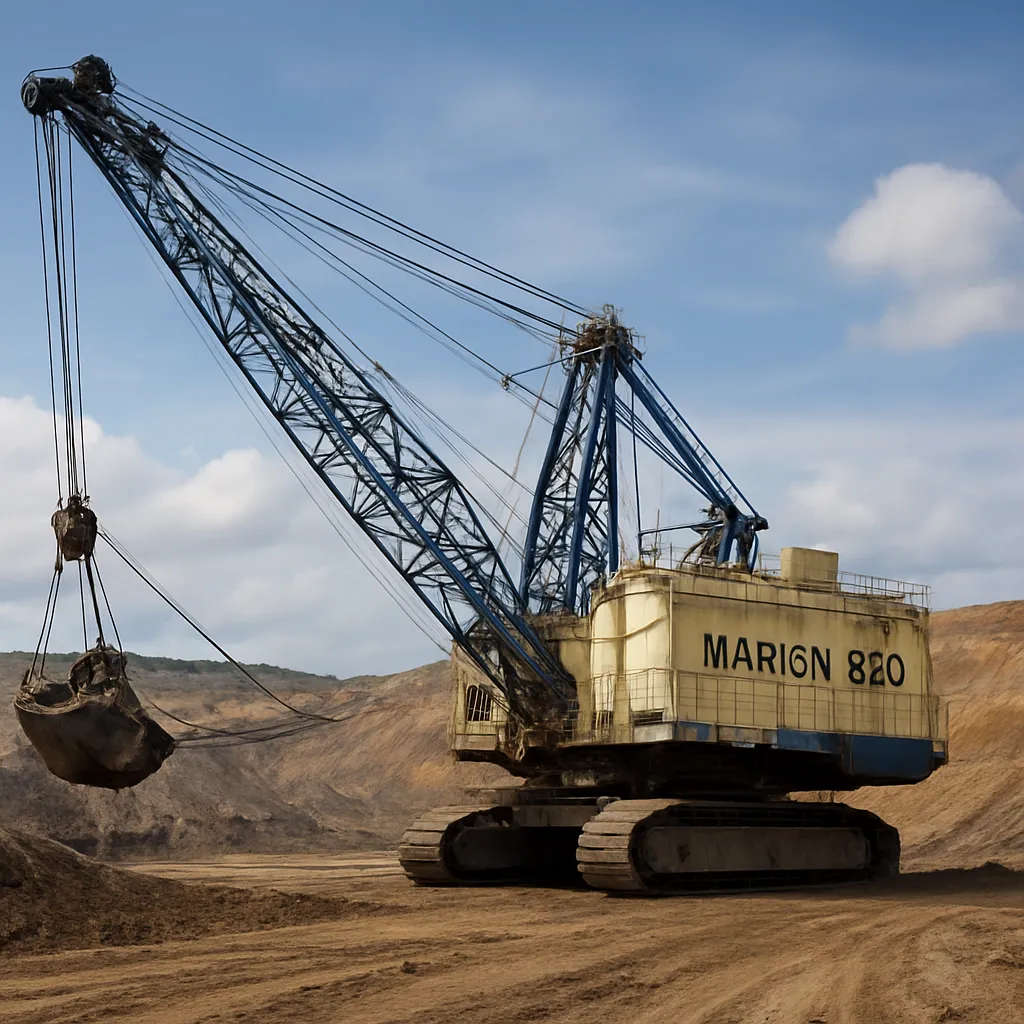
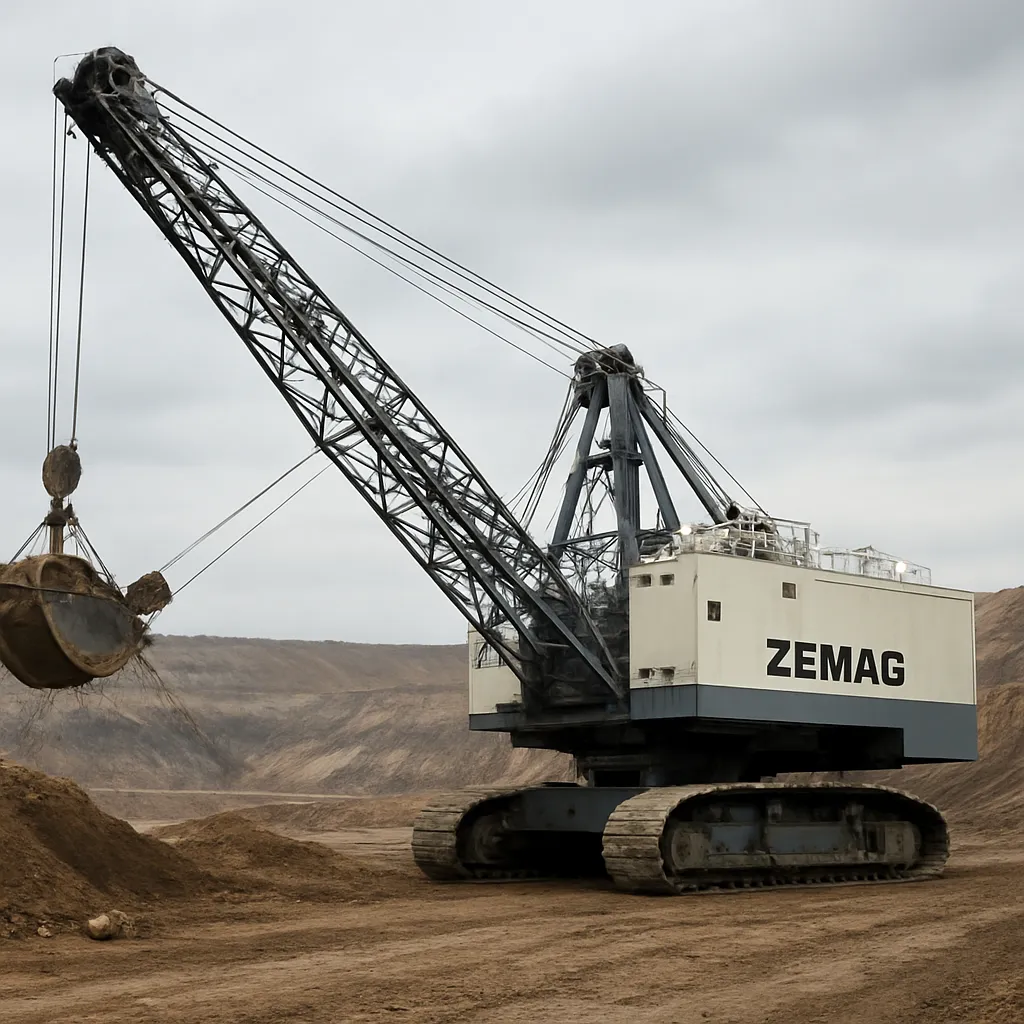
- Pair truck size with shovel size: Achieve optimal loading cycles by matching truck bed volume to the shovel’s bucket capacity to minimize under- and over-loading.
- Manage haul road design: Proper gradients, turning radii, and road surface quality maximize truck speed and safety while reducing wear and fuel use.
- Plan maintenance windows and spare parts stocks thoughtfully: The downtime cost of a single ultra-class truck can be very large, so proactive parts management is crucial.
- Invest in operator training: Skilled operators can reduce fuel consumption, extend component life, and improve cycle times.
Many mines report that improving operational disciplines — such as consistent loading practices and strict adherence to maintenance intervals — yields better returns than chasing incremental hardware improvements alone.
Summary and practical advice for buyers
In summary, the BelAZ-75600 represents a class of ultra-large haul trucks designed for high-throughput mining operations. Potential buyers and fleet managers should consider:
- Carefully matching truck payload and bed geometry to the site’s loading equipment.
- Analyzing life-cycle costs rather than purchase price alone, including fuel, parts, and expected downtime.
- Evaluating local service and parts support as a key determinant of long-term availability.
- Examining options for telematics, automation readiness, and emission control technologies when ordering, to future-proof the investment.
For operations considering the BelAZ-75600 or similar machines, a detailed site-specific feasibility study — including cycle time modeling, haul road design review, and maintenance capability assessment — is recommended to ensure the truck delivers expected productivity and return on investment.
BelAZ machines continue to be relevant in global mining due to their focus on heavy-duty capability and competitive payload economics; the 75xxx family remains an important option for large-scale mine operators seeking high-volume hauling solutions.
)
)