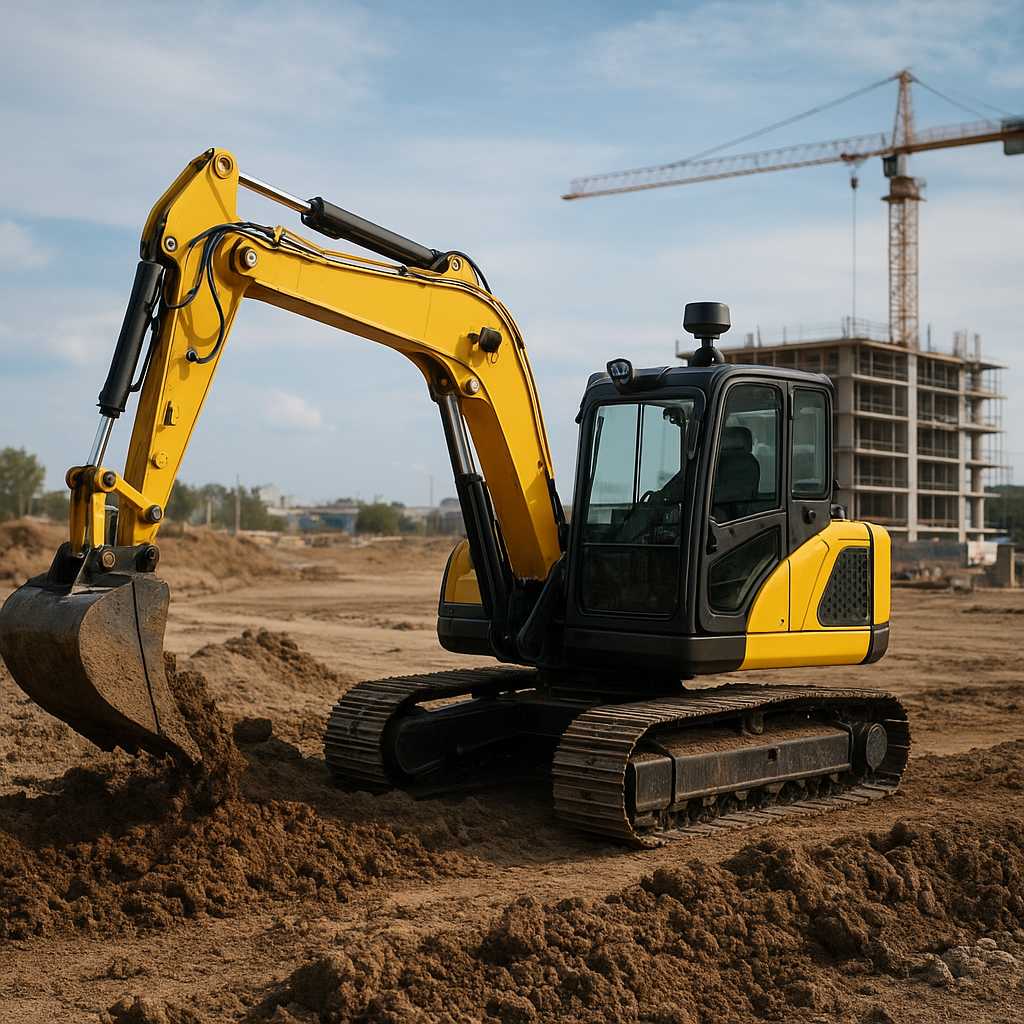
The evolution of heavy machinery has transformed construction sites into hubs of precision and speed. By integrating cutting-edge technologies, modern machines perform tasks that once required extensive human labor, reducing errors and enhancing project timelines. This article explores how various innovations in construction equipment are shaping the industry, emphasizing the rise of autonomous systems, the benefits for workforce safety, and the broader impacts on sustainability and economics.
Technological Advancements in Construction Machinery
Rise of Autonomous Excavators
One of the most striking developments is the transition from operator-driven to fully autonomous excavators. Equipped with GPS, LiDAR sensors, and artificial intelligence algorithms, these machines can map a site, identify digging zones, and execute complex maneuvers without human intervention. The integration of robotics and machine learning allows them to adapt in real time to changes in terrain or unexpected obstacles. As a result, contractors witness a dramatic boost in efficiency while minimizing downtime caused by manual errors.
Smart Loaders and Pavers
Smart wheel loaders and asphalt pavers now feature advanced telematics and remote-control interfaces. Operators can oversee multiple machines from a central command center, leveraging data analytics to monitor fuel usage, performance metrics, and maintenance schedules. This connectivity streamlines workflow coordination on sprawling job sites, ensuring that each machine delivers peak performance and reducing the likelihood of costly breakdowns.
- High-precision grading systems for accurate land preparation
- Real-time diagnostics to predict part failures
- Automated material handling for consistent load distribution
Impact on Workforce and Safety
Enhanced Operator Assistance
While full autonomy is on the rise, many machines today incorporate semi-autonomous features aimed at assisting operators. Automated dipper controls, collision-avoidance systems, and 360-degree camera views contribute to a safer work environment. These tools reduce physical strain on workers and lower the risk of accidents caused by blind spots or fatigue.
New Skill Requirements
The shift towards automated and semi-automated equipment demands a workforce skilled in innovation and digital tools. Technicians must learn to calibrate sensors, interpret telemetry data, and maintain software updates. Training programs now blend mechanical know-how with IT proficiency, creating roles such as data analytics specialists and UAV (drone) operators who conduct aerial surveys for precision mapping.
- Operator certification for remote-control interfaces
- Certification programs in AI-driven equipment management
- Safety workshops focusing on human-machine interaction
Environmental and Economic Implications
Reducing Carbon Footprint
Modern construction equipment aims to meet stringent emissions standards through hybrid and fully electric drive systems. By replacing diesel-powered engines with electric motors, companies achieve significant reductions in greenhouse gas emissions and noise pollution. Projects near residential areas benefit from quieter operations, mitigating community disruption.
Cost Savings and ROI
Though the initial investment in high-tech machinery can be substantial, the return on investment (ROI) is often realized within months. Key factors include:
- Productivity gains from continuous operation and precise task execution
- Lower fuel and maintenance expenses due to predictive diagnostics
- Reduced labor costs by automating repetitive or dangerous tasks
By minimizing idle time and maximizing uptime, contractors can complete large-scale projects ahead of schedule, securing early payment incentives and enhancing client satisfaction.
Future Outlook and Emerging Trends
Integration of Drone Technology
Drones, equipped with high-resolution cameras and LiDAR scanners, perform rapid site inspections and volumetric analyses. When paired with autonomous excavators, they create a feedback loop: aerial data refines excavation plans, and machines execute with pinpoint precision. This synergy between airborne and ground-based systems marks a new era of efficiency in construction management.
Blockchain for Equipment Leasing
Emerging blockchain platforms enable transparent, secure leasing agreements for heavy machinery. Smart contracts automate payment schedules based on machine usage data, reducing administrative burdens and ensuring accurate billing. This financial innovation fosters trust between equipment owners and lessees, unlocking flexible rental models that align costs with actual project demands.
Collaborative Robots (Cobots)
Cobots are designed to work alongside human crews, handling tasks such as material sorting, rebar placement, and welding. Unlike traditional robots isolated within cages, these units feature force-sensitive joints and advanced vision systems to detect human presence and adjust their movements accordingly. Cobots elevate on-site productivity by performing repetitive tasks, allowing skilled workers to focus on complex problem-solving.
- Adaptive gripping mechanisms for varied materials
- Modular attachments for quick task switching
- Real-time safety overrides for emergency stops
The collective impact of these innovations underscores a paradigm shift in construction: from labor-intensive operations to smart, interconnected ecosystems where machines and humans collaborate seamlessly. As technology evolves, the industry will continue to embrace solutions that enhance productivity, promote safety, and support sustainability goals, ensuring that the next generation of construction lies at the intersection of engineering prowess and digital mastery.