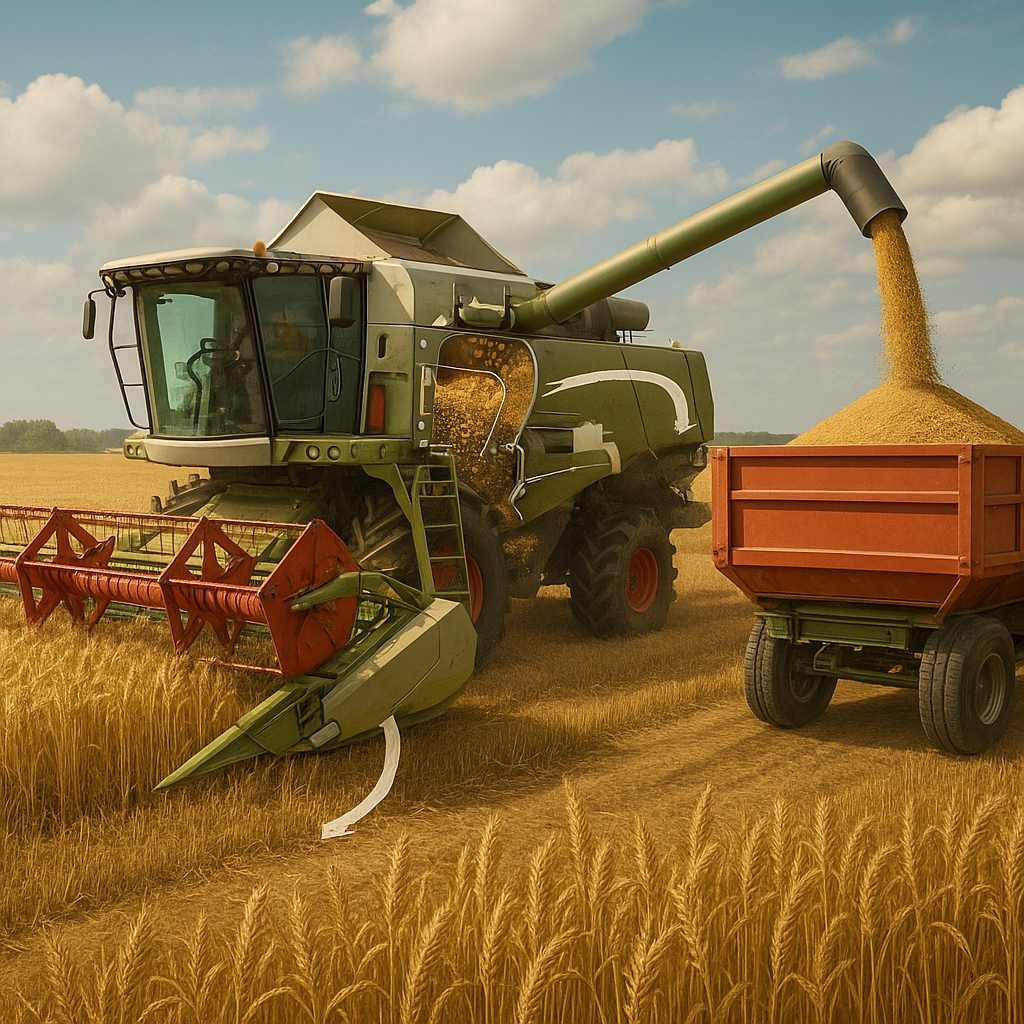
Harnessing the power of mechanization, modern agriculture relies on an array of heavy-duty equipment to optimize efficiency, reduce labor, and maximize yield. Among these, the combine harvester stands out as a multifunctional workhorse, seamlessly transforming ripened crops into clean, storable grain. This article delves into the inner workings of a combine harvester, explores related agricultural machines, and highlights the innovations driving the future of field operations.
Design and Components of a Combine Harvester
At the heart of every combine harvester lies a complex integration of systems, each dedicated to a specific phase of the harvesting process. From initial crop entry to final grain discharge, these key sections collaborate to handle high volumes with minimal waste.
The Cutting Header
The first point of contact with the crop, the header slices through stalks and funnels plants into the machine. Various header types—drum, flex, and pick-up—are chosen based on terrain and crop height. A sharp, synchronized knife section ensures precise cutting, while adjustable guards maintain consistent pressure against uneven ground.
Threshing Drum and Concave
Once inside, the plant material encounters the threshing drum and concave assembly. The drum’s rapid rotation separates kernels from husks and cobs through mechanical impact and friction. Farmers can fine-tune the drum speed and concave clearance to suit different grain varieties, ensuring effective separation without excessive kernel damage.
Straw Walker and Sieves
Post-threshing residue moves onto the straw walkers, which gently shake remaining kernels free while advancing straw toward the rear. Below, a series of adjustable sieves and chaff blowers sort and remove lighter debris. Airflow speed and sieve apertures are critical settings; they dictate the quality of separated grain and the purity of ejected chaff.
Operational Workflow from Field to Tank
Understanding the workflow inside a combine harvester reveals how mechanical, pneumatic, and hydraulic systems unite to achieve continuous harvesting.
Cutting and Gathering
- Header height control maintains optimal clearance above the soil.
- A feederhouse conveyor transfers cut material into the threshing unit.
- Crop flow sensors monitor throughput to prevent clogs.
Threshing and Separating
- The cylinder or drum accelerates material past the concave.
- Grain kernels fall through the concave, while straw moves onward.
- Adjustable rasp bars facilitate gentle threshing for delicate grains.
Cleaning and Conveying
- A powerful fan blows chaff and dust upward, away from the clean grain.
- Vibrating sieves sort kernels by size, rejecting oversized debris.
- Augers and belts transport the final product into the grain tank.
Unloading and Transport
Once the on-board tank reaches capacity, an unloading auger swings out, delivering grain into trailers or trucks waiting alongside. Typical unloading rates exceed 0 liters per second, ensuring minimal downtime and prompt delivery to storage bins or processing facilities.
Maintenance Practices for Extended Lifespan
Regular upkeep is crucial for maintaining performance and avoiding costly breakdowns during peak harvest. A comprehensive maintenance plan covers lubrication, inspection, and calibration across multiple systems.
- Engine oil and filter changes adhering to manufacturer intervals.
- Daily greasing of pivot points, bearings, and chains to minimize wear.
- Checking belt tension and integrity to prevent in-field failures.
- Inspecting sieve screens and concave bars for signs of clogging or damage.
- Calibrating sensor arrays to guarantee accurate yield mapping and moisture readings.
End-of-season storage also demands attention: cleaning all crop residues, treating exposed metal to prevent rust, and storing under a shelter to guard against UV damage and precipitation.
Other Field Machines and Their Roles
While the combine harvester is indispensable during harvest, a fleet of supportive machinery ensures seamless field operations throughout the growing season.
- Tractors: The backbone of farms, providing power for implements like plows, planters, and sprayers.
- Seed drills and planters: Deliver precise seed placement and depth control for uniform germination.
- Sprayers: Distribute fertilizers and crop-protection chemicals with adjustable nozzles for target spraying.
- Balers: Compress straw and hay into compact bales, facilitating storage and transport.
- Grain carts: Transfer harvested grain from the combine on the go, maximizing field time.
Emerging Technologies in Agricultural Machinery
Innovation in the agricultural sector focuses on precision, sustainability, and automation. Cutting-edge features now transforming farming include:
- GPS-guided steering for centimeter-level accuracy, reducing overlap and fuel consumption.
- Real-time telematics portals that track machine health, location, and performance metrics.
- Variable-rate technology (VRT) to adjust seeding and fertilization rates on-the-fly based on soil maps.
- Autonomous combines equipped with LIDAR and camera arrays, capable of harvesting with minimal human intervention.
- Advanced sensor suites monitoring moisture, protein levels, and foreign material content directly in the grain tank.
As environmental concerns intensify, manufacturers are also exploring electric drivetrains, hybrid power units, and biofuel compatibility to reduce carbon footprints and operational costs. The synergy between mechanical prowess and digital intelligence promises to redefine efficiency benchmarks in the years ahead.