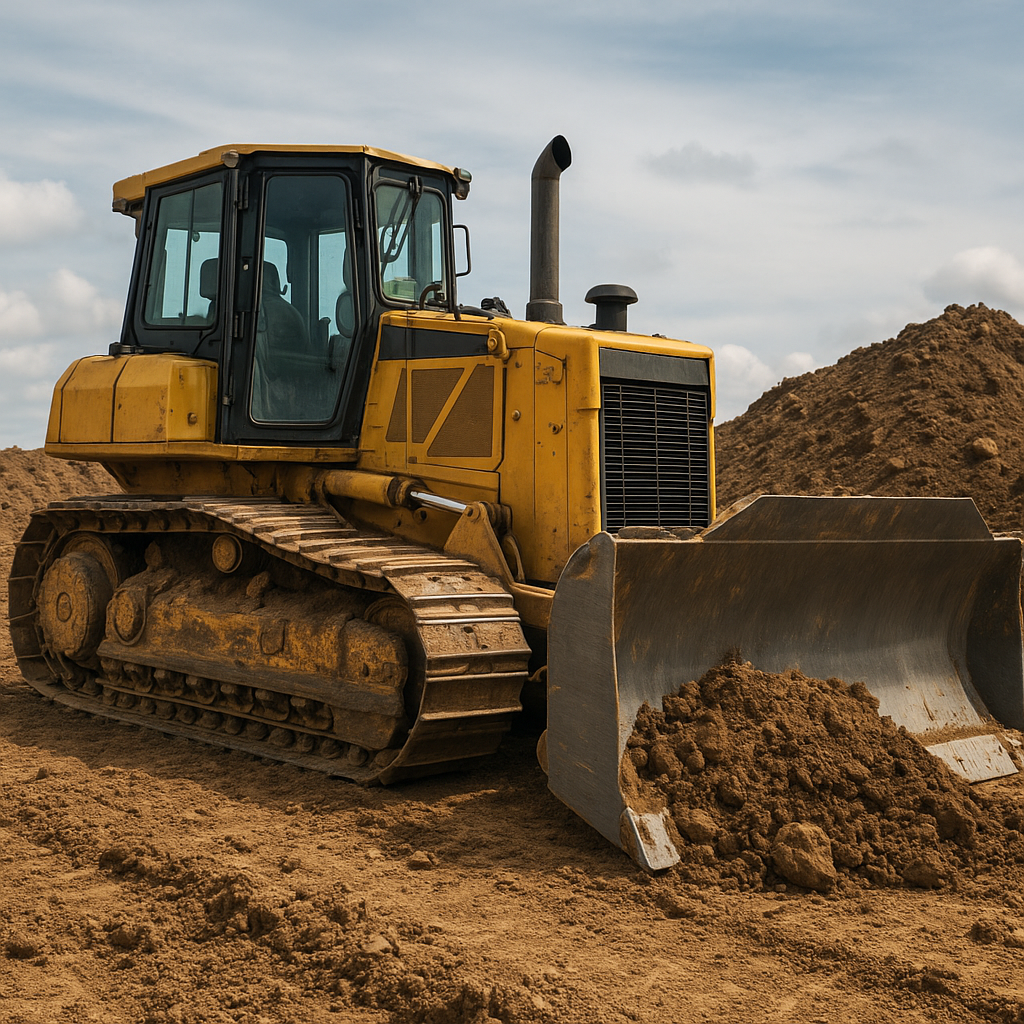
The world of heavy machinery represents a fascinating blend of brute force and intricate engineering. From the unmistakable rumble of a bulldozer pushing earth to the graceful extension of a crane lifting steel beams, construction machines redefine what’s possible in shaping our environment. This exploration delves into the key features that make these giants so effective on the worksite, examining their core components, related equipment roles, technological advancements, and essential maintenance routines.
Power and Precision: The Anatomy of a Bulldozer
Core Components
At the heart of every bulldozer lies a carefully balanced combination of engine power and robust mechanics. The diesel engine delivers exceptional torque, which is transmitted through a resilient powertrain. Complementing this is a high-pressure hydraulics network that controls the blade’s angle and motion. Beneath, the undercarriage offers exceptional traction thanks to heavy-duty tracks designed for uneven terrain.
- Engine and powertrain: High-displacement diesel units that emphasize long-lasting output.
- Hydraulics system: Pumps and cylinders that enable smooth, powerful blade manipulation.
- Undercarriage and traction: Reinforced steel tracks and rollers for grip on mud, rock, and slopes.
Strength Factors
Bulldozers excel in tasks that demand uncompromising durability and enormous load capacity. The heavy, angled blade provides a mechanical advantage to push massive volumes of soil, while the chassis structure resists bending and fatigue over thousands of cycles. Generous gearing ensures consistent torque delivery, allowing the machine to maintain steady ground speed under full load.
- Durability: Reinforced frames and wear plates protect core components from abrasion.
- Load capacity: Large blade surface area paired with optimal angle geometry maximizes earthmoving.
- Torque: Engine-to-ground power for sustained pushing power.
- Blade design: Multi-shank rippers and U-shaped blades enhance penetration and material flow.
The Role of Other Heavy Machinery in Modern Construction
While bulldozers clear and level, a variety of machines collaborate to complete a project. Excavators, loaders, cranes, and graders each play specialized roles. Understanding their interactions is crucial to orchestrating an efficient worksite.
- Excavators: Offer deep excavation via long booms and buckets, ideal for trenching and foundations.
- Wheel loaders and mobility: Swift at loading materials onto trucks or hoppers, thanks to articulated frames and large tires.
- Cranes: Provide vertical lift capacity, hoisting heavy steel, precast elements, and other oversized loads.
- Graders: Ensure fine grading and surface profiling with precision adjustable blades.
Combined strategically, these machines reduce manual labor, accelerate timelines, and enhance on-site safety. For instance, excavators can dig, loaders can transport, and bulldozers can shape the terrain, creating a seamless workflow powered by each machine’s unique strengths.
Technological Innovations Fueling Machine Efficiency
Recent advances in electronics and materials science have revolutionized heavy equipment. From intelligent control systems to lightweight yet high-strength alloys, manufacturers push the boundaries of performance and sustainability.
- Automation and autonomous vehicles: GPS-guided bulldozers can now perform repetitive grading tasks with minimal human intervention.
- Sensors and predictive maintenance: Vibration, temperature, and pressure sensors feed data to onboard computers, alerting operators to imminent component wear.
- Telematics and innovation in design: Real-time fleet monitoring allows managers to optimize fuel consumption and track machine health remotely.
- Green initiatives: Hybrid powertrains and efficient engines reduce emissions while preserving peak performance.
These technologies not only boost efficiency and uptime but also improve safety by minimizing operator fatigue and error. Intelligent terrain mapping, for example, enables precise cut-and-fill operations that cut fuel use and wear on parts.
Maintenance and Safety Protocols for Optimal Performance
Ensuring a long service life requires diligent maintenance routines and strict safety standards. Heavy machines operate under extreme stress, making proactive care essential.
- Routine inspections: Daily checks of fluid levels, track tension, and hydraulic hoses prevent unexpected breakdowns.
- Operator training and safety measures: Certified training programs cover emergency shutdown procedures and safe machine operation zones.
- Environmental considerations: Proper disposal of lubricants and filters supports eco-friendly practices.
- Parts replacement and lifecycle management: Timely swap-out of wear items like cutting edges, bucket teeth, and seals preserves core component health.
Strict adherence to manufacturer guidelines, combined with data-driven insights from telematics, ensures machines remain productive and safe throughout their operational life.