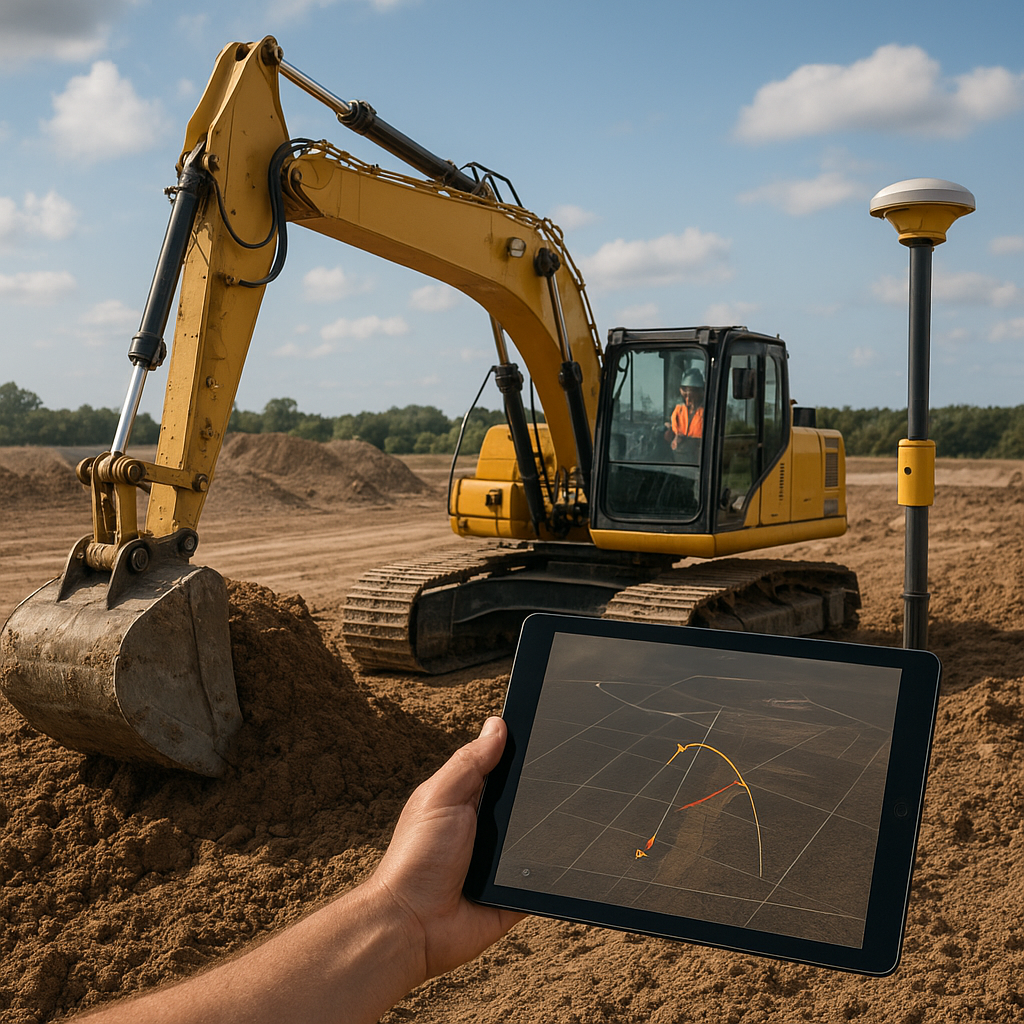
Construction sites have evolved into complex ecosystems where technology drives performance. From site grading to final landscaping, modern earthmoving projects leverage advanced systems to meet timelines and budgets. Innovations in positioning and control systems are transforming traditional workflows, enabling operators to achieve unprecedented levels of precision. This article examines how GPS and automation revolutionize the performance and sustainability of earthmoving equipment, exploring benefits, challenges, and future trends.
Enhancing Site Preparation with GPS Guidance
Accurate grading and excavation set the foundation for any construction project. Traditional methods, relying on string lines and surveying stakes, demand frequent manual adjustments. Introducing GPS guidance systems into bulldozers, motor graders, and scrapers streamlines these tasks. By triangulating signals from multiple satellites, onboard receivers calculate real-time machine position with centimeter accuracy. Operators follow intuitive graphical overlays on in-cab displays, eliminating guesswork and reducing rework.
A typical GPS-equipped machine features:
- Machine control consoles showing elevation targets and cut/fill maps
- Automated blade height adjustments driven by servo valves
- Data logging tools that record project progress digitally
Such systems enable teams to optimize earthmoving volumes, avoid over-excavation, and maintain consistent slopes. The integration of precision grading technology shortens project timelines, as fewer stakes need placement and survey crews spend less time on manual measurements. Field studies demonstrate productivity gains of up to 40%, with material savings reaching 20% in some scenarios.
Integrating Automation for Improved Productivity
Automation transforms skilled operators into efficiency engines. Advances in hydraulic control and artificial intelligence allow machines to perform repetitive tasks autonomously under human supervision. Tele-remote operation and semi-autonomous modes reduce operator fatigue and ensure consistent output regardless of experience level.
Operator Assistance Systems
Modern earthmoving equipment includes features like auto-steer, grade hold, and slope matching. Auto-steer keeps motor graders aligned along predefined corridors, while grade hold engages hydraulic valves to maintain a set elevation. Slope matching replicates angled surfaces by interpreting digital design files. These assistance systems allow a single operator to manage complex maneuvers with confidence.
Fully Autonomous Operations
Advances in machine learning and sensor fusion pave the way for fully autonomous earthmovers. Sensors such as LiDAR, radar, and stereo cameras map terrain obstacles in real time. Combined with preloaded design models, the onboard system plans optimal digging or filling sequences. Contractors monitor fleets remotely, dispatching equipment to various site zones via centralized software.
- Reduced labor costs and human exposure to hazards
- 24/7 operation potential, increasing overall productivity
- Consistent adherence to project specifications
While full autonomy is still emerging, hybrid solutions already deliver significant ROI. Contractors report up to 30% higher material movement rates when automated features supplement skilled operators.
Environmental and Safety Benefits
Earthmoving operations often attract scrutiny for emissions, noise, and ecological impact. Technology-driven machines help address these concerns by optimizing fuel consumption and minimizing disturbances.
Reduced Carbon Footprint
With efficiency-oriented control algorithms, GPS and automation reduce idle time and unnecessary passes. Engines run at optimal loads, lowering diesel consumption and particulate emissions. Fleet managers track real-time fuel usage via telematics platforms, identifying opportunities for route consolidation and equipment scheduling improvements.
Minimized Soil Disturbance
Precise control systems ensure that machines disturb only designated areas, preserving topsoil and natural drainage patterns. This targeted approach supports sustainability goals by preventing erosion and habitat disruption. Environmental compliance becomes easier as site managers provide accurate records of grades and fill locations.
Enhanced Operator Safety
Remote monitoring and semi-autonomous operation keep personnel out of high-risk zones. Automated obstacle detection systems alert operators to nearby hazards like trenches, overhead power lines, or other equipment. Cab environments are designed with advanced ergonomics and climate control, reducing operator fatigue and the risk of accidents.
Challenges and Future Directions
Despite the clear advantages, implementing GPS and automation in earthmoving brings challenges. Initial investment costs for hardware, software licenses, and training can be substantial. Compatibility issues between different manufacturers’ systems may hinder data exchange. Additionally, variable satellite coverage in urban canyons or dense foliage can degrade positioning accuracy.
Overcoming Connectivity Barriers
To address gaps in satellite reception, contractors deploy expandable base stations or cellular network boosters. Some systems fuse GPS with inertial measurement units (IMUs) to maintain precise navigation when signals weaken. Edge computing solutions process sensor data onboard, reducing reliance on remote servers and ensuring uninterrupted operation.
Enhancing Interoperability
Industry-wide initiatives are standardizing data formats and communication protocols. Open APIs enable third-party developers to integrate equipment data into enterprise resource planning (ERP) and building information modeling (BIM) platforms. This digital transformation fosters smoother workflows, from design to asset management.
Looking Ahead
Future developments promise even deeper integration of AI and robotics. Predictive maintenance systems will analyze machine telemetry to forecast component wear, scheduling service before breakdowns occur. Collaborative robots, or cobots, may work alongside humans to handle tasks like material loading or final site cleanup. Augmented reality (AR) interfaces in operator cabins could overlay schematics directly onto the work area, further improving decision-making.
As technology continues to advance, the construction industry stands on the brink of a new era. Embracing these innovations will not only boost profitability but also contribute to safer, more sustainable projects worldwide. The synergy of heavy machinery, automation, and advanced guidance systems marks a pivotal step forward in earthmoving equipment capabilities.