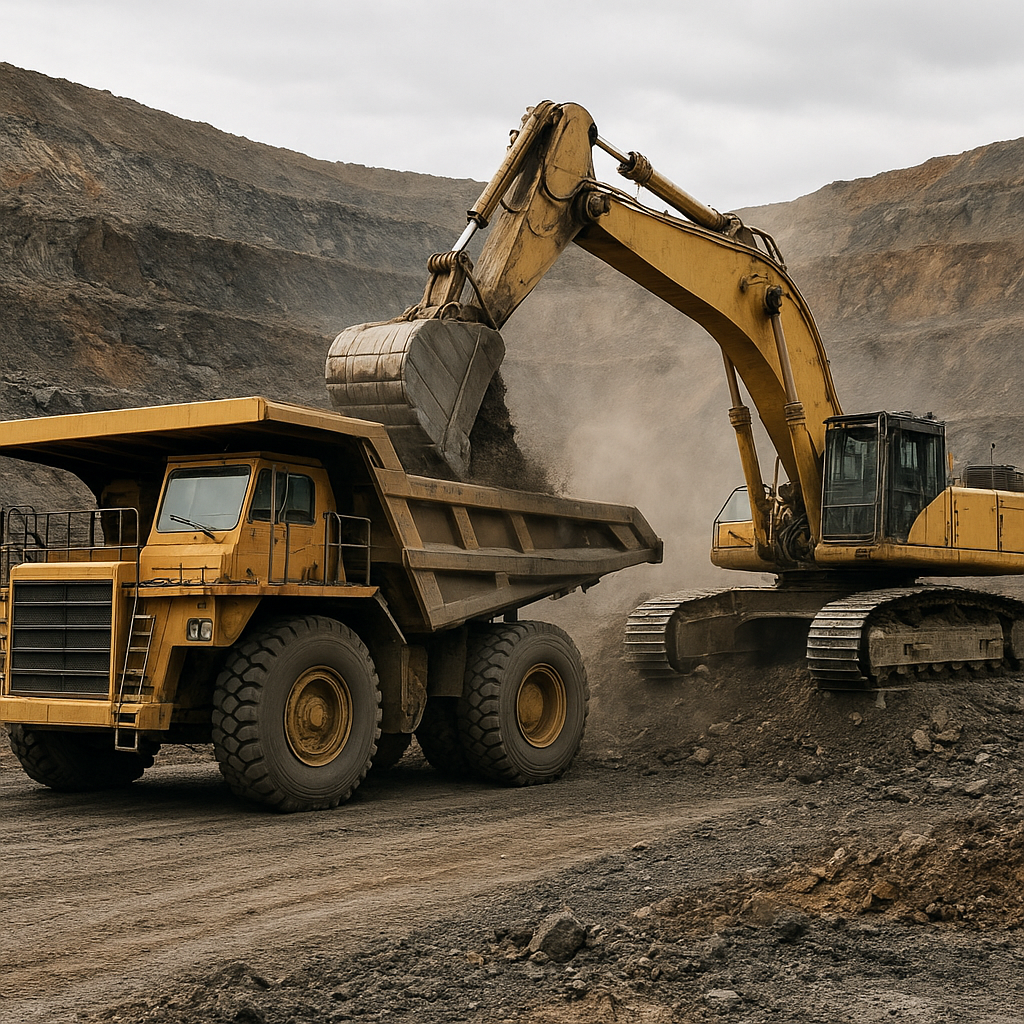
Massive earthmovers stand as the backbone of modern mining operations, driving the extraction of resources from deep beneath the surface. These behemoths, boasting unrivaled power and durability, transform rigid rock and soil into valuable minerals that fuel industries worldwide. Understanding their capabilities, challenges, and innovations is essential for professionals seeking to optimize productivity and uphold the highest standards of safety and sustainability.
Overview of Giant Earthmovers and Their Roles
Giant earthmovers encompass a range of specialized machines designed to perform heavy-duty tasks, such as excavation, hauling, and dumping. Whether operating as hydraulic shovels, electric rope shovels, or wheel loaders, each model delivers distinct advantages:
- Hydraulic shovels excel in precision digging, using powerful pumps to control bucket movement and deliver consistent cycle times.
- Electric rope shovels harness formidable cable systems, ideal for continuous high-volume loading of large haul trucks.
- Wheel loaders offer versatility with quick maneuverability, enabling rapid transport of blasted material to crushers or conveyor systems.
These machines contribute directly to boosting overall productivity by minimizing cycle times and reducing manual labor. Their robust designs address the toughest geological conditions, ensuring that mining sites maintain seamless operations.
Technological Innovations Driving Efficiency
Automation and Remote Operations
The integration of automation and remote-control technology has revolutionized the utilization of earthmovers. Key benefits include:
- Enhanced precision through GPS-guided positioning systems.
- Reduced risk of accidents as operators control machines from secure command centers.
- Continuous operation in hazardous environments without exposing personnel to dangers such as rockfall or dust inhalation.
Advanced sensors monitor parameters like hydraulic pressure, engine temperature, and wheel slip, feeding data into centralized systems. This real-time intelligence enables predictive maintenance, preventing unexpected downtime and extending component life.
Hybrid Powertrains and Fuel Efficiency
With rising emphasis on environmental responsibility, manufacturers introduce hybrid powertrains that blend diesel engines with electric assistance. Features include:
- Regenerative braking systems that convert kinetic energy into electrical power.
- Variable-speed generators optimizing fuel consumption at different load profiles.
- Lower greenhouse gas emissions, aligning operations with strict regulatory standards.
These advances not only cut operational costs but also enhance the machine’s performance, ensuring that earthmovers can tackle sustained high-load cycles with reduced fuel usage.
Operational Best Practices for Maximum Uptime
Routine Inspection and Preventive Maintenance
Maintaining peak condition requires a structured maintenance program. Key elements include:
- Daily walk-arounds to check fluid levels, tire or track wear, and visible damage.
- Scheduled lubrication of pivot points, bearings, and hydraulic cylinders to prevent corrosion and friction-induced failures.
- Periodic system diagnostics using handheld scanners that flag anomalies in electrical and hydraulic circuits.
Adopting a predictive maintenance approach—driven by sensor data—allows mining teams to replace parts before they fail, thus avoiding costly stoppages.
Operator Training and Safety Protocols
Equipping operators with comprehensive training increases efficiency and minimizes risk. Essential training modules cover:
- Machine-specific operational procedures for different earthmover types.
- Emergency response drills, including controlled shutdowns and extraction of personnel.
- Environmental hazard awareness, focusing on unstable ground and overhead risks.
Well-trained operators use the machine’s full capabilities while adhering to stringent safety standards, safeguarding both human lives and industrial assets.
Environmental and Community Considerations
Land Reclamation and Rehabilitation
Mining companies face increasing pressure to restore landscapes once operations cease. Earthmovers facilitate reclamation by:
- Reprofiling large waste dumps and pit walls to stable slopes.
- Transporting overburden back to depleted areas, creating ready substrates for topsoil replacement.
- Assisting in the construction of water diversion channels to manage runoff and prevent erosion.
These efforts ensure sites remain compatible with agriculture, wildlife habitats, or community development initiatives, reflecting responsible resource stewardship.
Noise, Dust, and Emission Control
Mitigating the environmental footprint of giant earthmovers involves:
- Installing acoustic enclosures around key components to reduce noise pollution.
- Utilizing water spray systems and dust suppressants at loading points to limit airborne particulates.
- Implementing diesel particulate filters and selective catalytic reduction units to lower emissions of nitrogen oxides and soot.
Through these measures, mining operations maintain compliance with environmental regulations and promote healthy conditions for nearby communities.
Future Trends and Emerging Technologies
Autonomous Fleets and Fleet Management
The next frontier lies in fully autonomous fleets, where coordinated earthmovers and haul trucks operate in unison. Benefits include:
- Optimized material flow through synchronized loading and hauling cycles.
- Centralized fleet management platforms overseeing machine health, logistics, and performance metrics.
- Reduced labor costs as fewer on-site drivers are required.
This shift toward digitalization promises improved efficiency and refined decision-making based on big data analytics.
Advanced Materials and Wear-Resistant Components
Efforts to extend component life focus on novel materials and coatings. Innovations include:
- High-strength, low-alloy steels for increased durability in bucket assemblies.
- Nano-ceramic coatings on hydraulic pistons to resist abrasion and corrosion.
- Self-healing polymers in hose lines to reduce leakage and maintenance intervals.
These developments will drive down life-cycle costs and elevate the reliability of earthmovers in harsh mining environments.