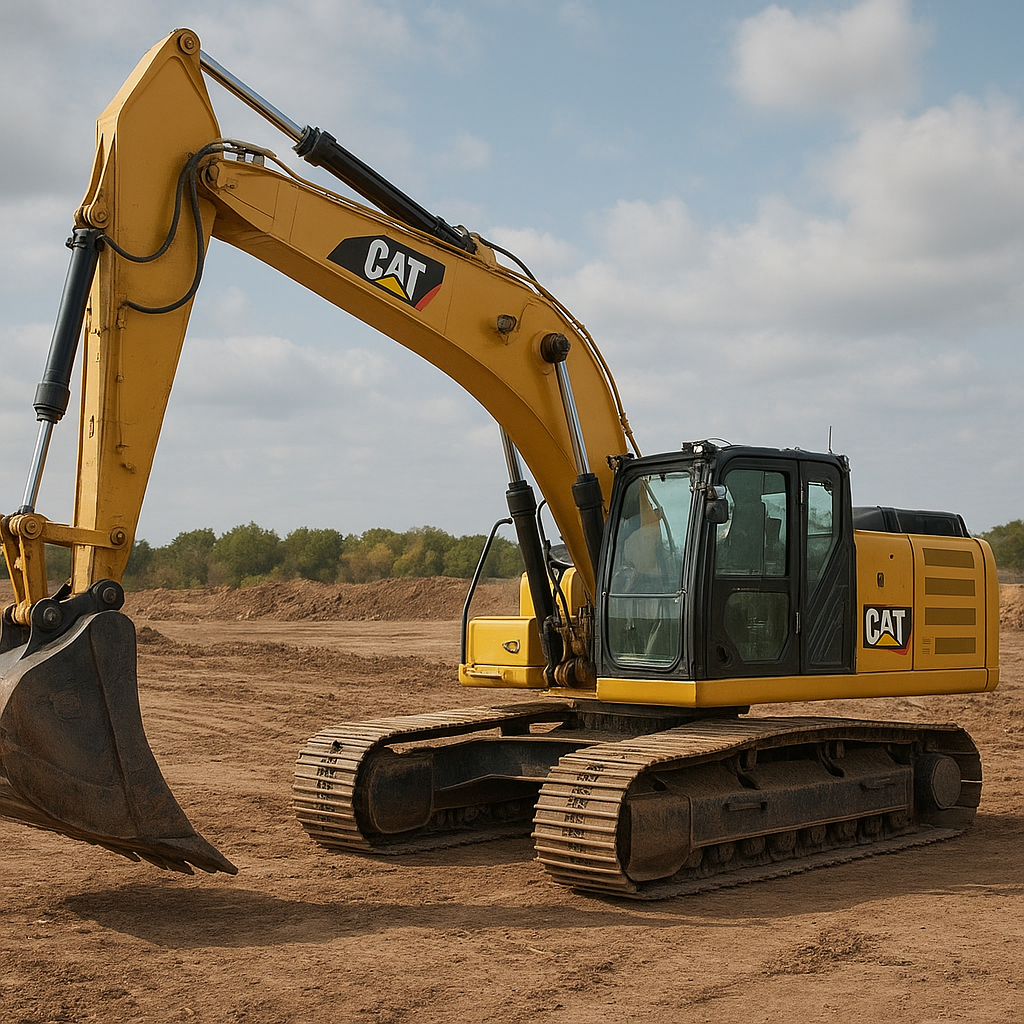
The Caterpillar 336 is a heavyweight, versatile construction machine that has become a benchmark in the medium‑to‑large excavator class. Combining powerful digging performance, modern control systems and a wide range of available attachments, the 336 is widely used across construction, quarrying, infrastructure and industrial projects. This article examines the machine’s design, typical applications, operational statistics, and practical considerations for owners and operators.
Design and technical specifications
The Caterpillar 336 is a full‑size, tracked hydraulic excavator designed to deliver sustained performance in demanding conditions. It is available in several series and configurations (for example 336D, 336E and 336F families and both standard and long‑reach variants), so exact specifications vary by model year and market. Still, there are common design themes that define the platform.
Powertrain and hydraulics
- The machine is powered by a turbocharged diesel engine compliant with current emissions standards (Tier 4 Final / Stage V on recent models), offering a balance of power and reduced emissions. A typical modern 336 variant produces engine output in the range of approximately 200–280 kW (roughly 270–375 horsepower). For example, many 336F configurations report net power near the mid‑260 kW range.
- Advanced hydraulic systems provide high flow and pressure with precise control for simultaneous multi‑function operations. Proportional valve control and electronic management help optimize power delivery and responsiveness.
Weights, dimensions and capacities
- Operating weight generally falls in the range of about 33,000–41,000 kg (approximately 33–41 tonnes), depending on the configuration (boom/stick/undercarriage and counterweight).
- Typical bucket capacities for general‑purpose digging range from roughly 1.0 to 2.5 m³, with specialized buckets and heavy‑duty rock buckets outside that range.
- Maximum digging depth for the standard boom and stick is usually around 7.5–8.5 meters; long‑reach versions extend that by one or more meters.
Structure and durability
The 336 is built with robust undercarriage components, reinforced boom and stick structures and durable pivot bearings designed for long service life in tough environments. Caterpillar uses high‑strength steels in key stress areas and modular components to facilitate repairs and reduce downtime.
Typical applications and industries
The 336’s balance of size, power and reach makes it adaptable to many tasks. It is most commonly found in:
- Construction: foundation excavation, trenching, site preparation, and loading of trucks.
- Quarrying and mining: rock excavation, loading of haul trucks and material handling when fitted with appropriate buckets and booms.
- Demolition: selective demolition with hydraulic breakers, grapples and shears.
- Pipeline and utility projects: trenching and backfilling for large utility installations and pipeline construction.
- Road and rail work: earthworks, drainage, culvert installation and ballast handling.
- Forestry and material handling: with specialized grapples and thumbs for log handling and bulk material movement.
Adaptability is increased by a wide range of attachments, including buckets (general‑purpose, rock, skeleton), hydraulic breakers, pulverizers, shears, thumbs, thumbs and quick couplers, grapples, multi‑processors and tiltrotators (where available in aftermarket markets).
Productivity, fuel efficiency and on‑board technology
Productivity features
- Modern 336 variants include electronic engine and hydraulic management that deliver improved digging force, cycle times and the ability to perform multiple functions simultaneously.
- Payload monitoring systems and integrated weighing (such as Cat Payload) help operators load trucks to optimal levels, increasing efficiency on earthmoving jobs and reducing material handling cycles.
- Eco and power modes allow matching machine response to task requirements—lower fuel consumption for lighter work and full power for rock or heavy digging.
Fuel economy
Actual fuel consumption depends heavily on task, operating technique, attachment and machine condition. Typical hourly fuel use for a 35–40 tonne excavator like the 336 ranges between about 10 and 35 liters per hour in common working conditions, with rock or continuous heavy digging at the upper end and light loading or travel at the lower end. Manufacturer‑supplied economy features, such as idle management, automatic engine speed control and hydraulic system optimization, help reduce fuel burn without compromising output.
Operator aids and connectivity
- Integrated display systems provide machine diagnostics, operating parameters and service alerts. Some models offer Cat Grade technologies (2D and 3D) for faster, more accurate grading without a surveyor on site.
- Telematics and fleet management tools (e.g., Cat® Product Link) offer remote monitoring of location, hours, fuel use, maintenance alerts and error codes—critical for optimizing utilization and scheduling preventative maintenance.
- Joystick and screen coupling for programmable machine response, along with multiple auxiliary hydraulic circuits, enable efficient use of a wide range of hydraulic attachments.
Operator comfort and safety
For long shifts in tough environments, operator ergonomics and safety are crucial. The 336’s cab and control package reflect that focus:
- Spacious, climate‑controlled cab with low‑vibration mounts and improved sightlines for both digging and machine surroundings.
- Standard safety features commonly include rearview and side cameras, ROPS/FOPS certified cab structure, and visibility‑enhancing lighting packages for night work.
- Ergonomic joystick placement, adjustable seat positions and optional heated/cooled seats reduce operator fatigue and improve precision over extended operations.
Maintenance, lifecycle costs and resale
Serviceability
Caterpillar focuses on ease of maintenance: grouped service points, tilt‑up cabs or engine enclosures on some models, and ground‑level access to filters, fuel and hydraulic service points. Standard diagnostics accessible via the main display and remote telematics simplify troubleshooting.
Lifecycle costs
While initial purchase and operating costs for a 336 are significant due to its size and capabilities, owners can manage total cost of ownership through:
- Proactive maintenance and OEM parts to reduce unplanned downtime.
- Use of machine control and payload systems to increase productivity and reduce fuel use.
- Proper attachment selection to match tasks and avoid excessive wear.
Resale value
Machines with comprehensive service records, telematics histories and moderate hours typically command better resale prices. The 336’s versatility and common use across sectors support healthy secondary market demand compared with less generic specialty machines.
Variants and attachments
The 336 platform is offered in multiple cab/undercarriage lengths, counterweight configurations and boom/stick options to suit roles from general civil construction to heavy rock applications. Common variants include standard, long‑reach and heavy‑duty rock packages.
Popular attachments
- General purpose and rock buckets
- Hydraulic breakers for demolition and rock breaking
- Grapples and thumbs for material handling
- Rotating and tilting couplers to increase attachment flexibility
- Compactors and plate compactors for trench and embankment work
Market data and typical performance statistics
Exact global production and fleet counts for the Caterpillar 336 are not publicly disclosed in a single centralized statistic, and model availability and specifications vary by region and emissions regulation era. However, some general figures and metrics give a sense of the machine’s performance and field behavior:
- Operating weight: commonly in the range of approximately 33,000–41,000 kg (33–41 t).
- Engine net power: typical modern variants range roughly from 200 to 280 kW (270–375 hp), with many mid‑generation models around 260 kW.
- Bucket capacities: common working buckets range between about 1.0 and 2.5 m³; rock buckets typically smaller in volume but heavier in mass and with reinforced edges.
- Typical fuel consumption: highly task dependent, roughly 10–35 L/h under normal working cycles; peak conditions may exceed this for continuous heavy digging or hydraulic breaker work.
- Typical production rates: on earthmoving tasks, a 336 matched with appropriate buckets can move several hundred to a few thousand cubic meters per day depending on cycle times, truck matching and ground conditions.
When evaluating machine productivity it is important to consider cycle time, bucket fill factors, truck matching (if loading haul trucks), swing times and operator skill. Telemetry and onboard payload systems have been shown on many sites to increase loading efficiency and reduce the number of cycles required, sometimes improving productivity by double‑digit percentages.
Buying, renting and fleet considerations
Deciding whether to purchase or rent a 336 depends on project duration, utilization rate, and capital constraints. Key considerations include:
- Utilization: high and predictable utilization rates favor purchase; short‑term or seasonal needs favor rental.
- Maintenance capability: owners with in‑house maintenance and access to OEM parts will achieve lower total cost of ownership.
- Attachment investments: owning a flexible set of attachments increases a machine’s usefulness and reduces the need for specialized machines.
- Compliance and emissions: ensure the machine’s emission certification meets regional requirements (Tier 3, Tier 4 Final, Stage V, etc.).
Practical tips for operators and fleet managers
- Match stick length and bucket type to the primary tasks—long reach for dredging and deep trenches, heavy‑duty sticks for rock work.
- Use onboard telematics to schedule preventive maintenance and monitor fuel use to identify opportunities to reduce operating costs.
- Train operators on eco and automated features to balance fuel savings with cycle time; a well‑trained operator can significantly improve site productivity.
- Keep an organized attachment program so changeovers are rapid and the machine is not used inefficiently for tasks better suited to a different configuration.
- Document service history and keep the machine clean and inspected—this improves resale value and reduces risk of catastrophic failures.
Summary
The Caterpillar 336 is a robust, flexible and well‑supported excavator family that suits a wide range of heavy civil, quarry and industrial applications. Its combination of substantial digging power, modern hydraulic controls and a wide ecosystem of attachments make it a popular choice where reliability, productivity and service support are priorities. While exact specifications differ by model year and configuration, prospective buyers and fleet managers should assess operating weight, engine power, bucket sizing and available technology packages to select the most productive and cost‑effective variant for their needs.


)
)