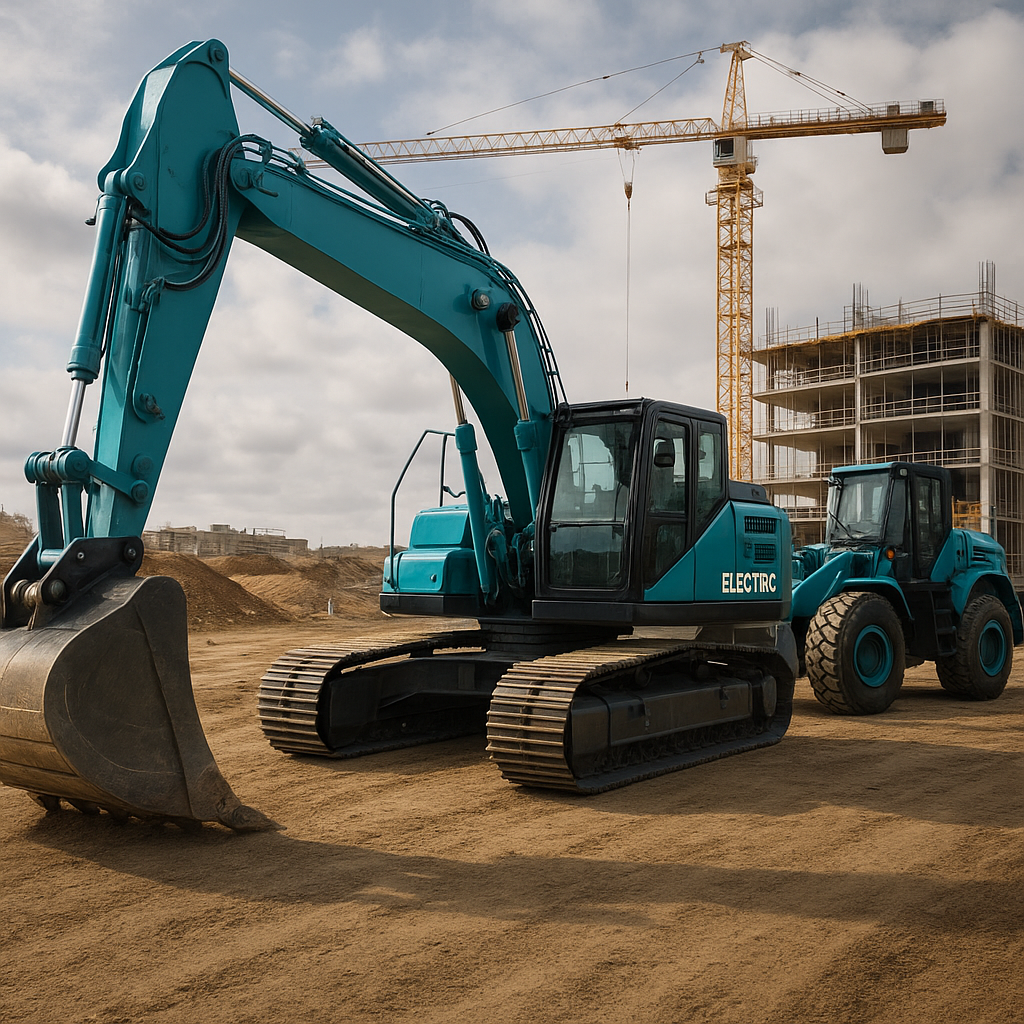
Construction sites are undergoing a remarkable transformation as traditional diesel-powered machines give way to cutting-edge electric and hybrid alternatives. This shift is driven by a growing emphasis on sustainability, reduced emissions, and enhanced operational efficiency. As manufacturers redesign excavators, loaders, and cranes with advanced powertrains, the construction industry stands at the cusp of a new era where electrification and intelligent systems redefine productivity and environmental impact.
Evolution from Diesel Giants to Electric Workhorses
For decades, diesel engines dominated the construction landscape, prized for their torque and reliability. However, tightening regulations on air quality and noise pollution forced stakeholders to seek cleaner alternatives. Early hybrid prototypes combined combustion engines with electric motors to reduce fuel consumption and idle time. Today’s fully electric machines harness high-capacity batteries and regenerative braking to maximize runtime and minimize downtime. This historical shift underscores the industry’s commitment to resilience and long-term viability.
- Phase 1 – Diesel Motors with Fuel-Efficiency Improvements
- Phase 2 – Diesel-Electric Hybrids Featuring Energy Recapture
- Phase 3 – Fully Electric Models with Zero Tailpipe Emissions
Core Components and Next-Gen Powertrains
Modern electric and hybrid construction equipment relies on a few critical technologies:
- Batteries and Energy Storage: Lithium-ion and emerging solid-state cells deliver high energy density, rapid charge rates, and extended service life.
- Electric Motors and Inverters: Advanced power electronics enable precise torque control, seamless load sharing, and reduced mechanical complexity.
- Hybrid Systems: Combining internal combustion engines with electric drives offers a balance of extended range and lower fuel use.
- Telematics and Connectivity: On-board sensors transmit performance metrics and maintenance alerts, optimizing uptime and fleet management.
- Regenerative Technologies: Harvesting kinetic energy during lowering or deceleration increases overall efficiency and reduces wear on brake systems.
Impact on Productivity and Jobsite Dynamics
Electric and hybrid machines bring several advantages to the worksite:
- Quiet Operation: Low noise levels create a safer environment and allow early-morning or late-night shifts with minimal disturbance.
- Reduced Maintenance: Fewer moving parts mean less oil changes, no exhaust aftertreatment systems to service, and lower total cost of ownership.
- Instant Torque Delivery: Electric drives provide instant power at any speed, improving cycle times for digging, lifting, and hauling tasks.
- Improved Health and Safety: Zero exhaust fumes enhance air quality for operators and nearby workers, lowering respiratory risks.
- Enhanced profitability: Operational savings on fuel, maintenance, and potential tax incentives translate to stronger ROI over machine lifecycles.
Building Charging Infrastructure and Energy Management
Widespread adoption of electric equipment depends on robust charging networks and smart energy strategies. Key considerations include:
- Onsite Charging Stations: Mobile and fixed chargers must support fast-charging protocols while integrating safety measures such as overcurrent protection.
- Grid Integration: Collaboration with utilities ensures adequate power capacity, peak-shaving plans, and demand-response schemes.
- Renewable Energy Pairing: Solar arrays or wind turbines on-site can provide clean energy for charging, further reducing carbon footprints.
- Energy Storage Systems: Stationary battery banks help manage load balancing and offer backup power during grid outages.
- Vehicle-to-Grid (V2G) Potential: In the future, electric machines may feed stored energy back to the grid, creating new revenue streams and stabilizing local power networks.
Case Studies in Real-World Implementation
Several construction firms have already embraced electric and hybrid equipment to meet environmental goals and improve site efficiency:
- Urban Excavation Project: An all-electric mini-excavator reduced site noise by 70% and cut operating costs by 40% over six months.
- High-Rise Construction: Hybrid tower cranes utilized regenerative systems to capture energy during descending loads, fueling auxiliary equipment.
- Infrastructure Upgrade: Electric dumpers and loaders on a highway renovation project resulted in zero on-site emissions and streamlined logistics.
- Remote Mining Operation: Integration of solar-charged battery packs with electric haul trucks minimized diesel dependency and secured uninterrupted productivity.
Future Trends and Technological Roadmap
As innovation accelerates, construction equipment will become even smarter, safer, and more autonomous. Anticipated developments include:
- Autonomous Operation: AI-driven navigation and task execution reduce human error and labor shortages.
- Advanced Materials: Lightweight composites and modular designs improve machine agility and simplify maintenance.
- 5G Connectivity: Ultra-low latency networks enable real-time monitoring, remote diagnostics, and coordinated fleet operations.
- Swappable Power Modules: Quick-change battery packs minimize downtime and support 24/7 work cycles.
- Enhanced Safety Systems: Sensor fusion, collision avoidance, and geofencing protect personnel and assets on dynamic jobsites.
Strategies for Industry Stakeholders
Contractors, manufacturers, and policymakers must collaborate to accelerate the transition. Effective strategies comprise:
- Training and Upskilling: Educate operators and technicians on electric powertrain maintenance and safety protocols.
- Incentive Programs: Offer grants, tax credits, and leasing options to lower barriers for early adopters.
- Standardization Efforts: Develop common charging interfaces and data-sharing frameworks for interoperability.
- Research Partnerships: Fund pilot projects exploring next-generation battery chemistries, hydrogen fuel cells, and hybrid architectures.
- Community Engagement: Highlight environmental benefits and noise reduction to gain public support for urban construction.