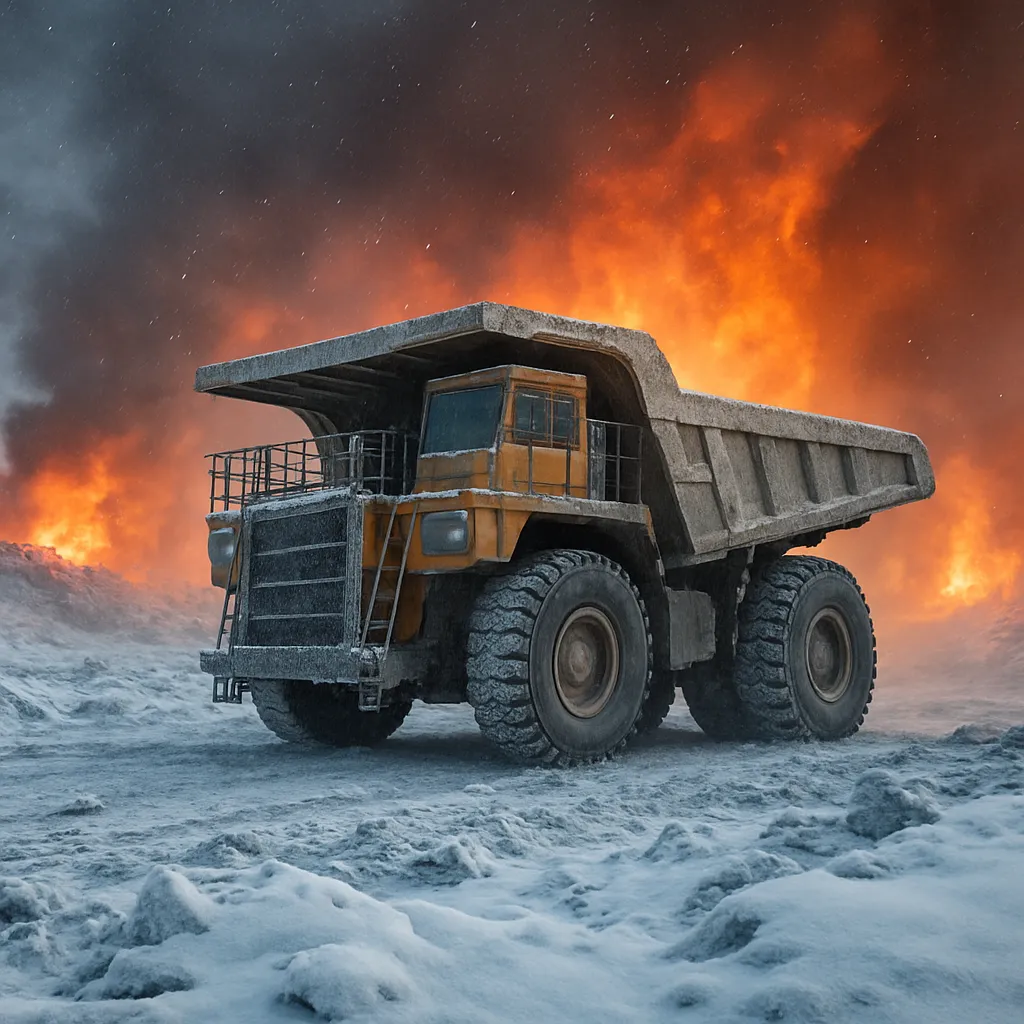
The interplay between human creativity and mechanical power has driven some of the most remarkable achievements in modern history. From towering skyscrapers to microscopic components, machines have reshaped industries and pushed the boundaries of what was once thought impossible. This article explores several groundbreaking applications of machines at work, revealing how automation and innovation continue to revolutionize our world.
Automated Giants: Transforming Construction Landscapes
Robotic Bricklayers and 3D Printing
The dawn of fully autonomous construction sites heralds a new era for building projects of any scale. Robotic systems equipped with computer vision and AI algorithms can now place bricks with unmatched speed and precision. 3D concrete printers, which extrude layers of material to form entire walls, floors, and structural elements, reduce both labor costs and material waste. Major benefits include:
- Faster project completion times
- Lower risk of on-site injuries
- Minimal environmental footprint
Companies around the world are already erecting homes and offices in days rather than months, proving that advanced robotics can outpace traditional methods while maintaining structural integrity.
Heavy-Lift Cranes Controlled by AI
Modern construction cranes integrate AI-driven control systems that continuously adjust boom angle, load trajectory, and counterweights. By constantly monitoring wind conditions, material stress, and ground stability, these machines can safely hoist massive steel beams into position at dizzying heights. The fusion of real-time data analytics and robust mechanical design exemplifies how efficiency and safety go hand in hand on contemporary worksites.
Precision Manufacturing: Microscopic Mastery
Semiconductor Fabrication with Nanometer Accuracy
In the semiconductor industry, fabricating microchips demands tolerances measured in nanometers—one millionth of a millimeter. Advanced lithography machines direct ultraviolet lasers through series of lenses and masks to etch intricate circuits onto silicon wafers. Each step in the process is orchestrated by precision stages that manipulate materials with engineering tolerances finer than a human hair. Key advantages include:
- Ultra-high integration of transistors on a single chip
- Reduced power consumption per operation
- Enhanced processing speeds for everyday electronics
This level of detail enables smartphones, supercomputers, and IoT devices to perform tasks that were unimaginable just decades ago.
Automated Quality Control with Machine Vision
Quality assurance has been revolutionized by machine vision systems that use high-resolution cameras and AI to detect defects on production lines. Whether inspecting weld seams on aircraft components or verifying paint finishes on automobiles, these machines can identify microscopic imperfections in milliseconds. The result is a dramatic reduction in recalls and improved overall sustainability through less rework and discarded materials.
Deep-Sea and Outer Space Exploration
Underwater Robots Mapping the Ocean Floor
Autonomous underwater vehicles (AUVs) equipped with sonar arrays, high-definition cameras, and manipulator arms explore ocean depths that would be lethal to human divers. These robots create detailed maps of seafloor topography, discover new marine species, and inspect subsea pipelines and cables. By withstanding extreme pressure and low temperatures, they unlock secrets hidden beneath the waves and support critical offshore industries.
Robotic Rovers on Martian Terrain
The red planet has become a laboratory for testing the limits of mechanical endurance. Mars rovers like Perseverance and Curiosity carry scientific instruments, autonomous navigation systems, and drill assemblies to analyze rocks for signs of past life. Each rover must manage dust storms, temperature swings, and communication delays measured in minutes. Their successes demonstrate how transformation by machines can extend human presence to worlds beyond Earth.
Factory Floors of Tomorrow: Collaborative Robotics
Cobots Working Side by Side with Humans
Collaborative robots, or “cobots,” are designed to share tasks with human workers safely. Lightweight arms fitted with force sensors can detect contact and adjust force to prevent injuries. Cobots handle repetitive, strenuous operations such as screw driving, welding, or palletizing, while humans focus on complex decision-making and quality assurance. Benefits of human–robot collaboration include:
- Increased throughput without compromising safety
- Shorter training times for new workstations
- Greater flexibility for small-batch production
Adaptive Assembly Lines
Smart factories employ machines that learn and adapt in real time. Conveyor belts with integrated sensors can halt production if an anomaly is detected, rerouting parts to a secondary station for further inspection. Data from every stage is collected, allowing predictive maintenance to prevent unplanned downtime. This level of integration transforms static production lines into dynamic ecosystems where innovation thrives.
Future Horizons: Sustainable and Adaptive Machines
Energy-Harvesting Mechanical Systems
The quest for sustainability drives the development of machines that generate their own power. Wind turbines with automated blade pitch control optimize energy capture in varying conditions, while wave energy converters transform ocean swell into electricity. Even factory robots are being designed with regenerative drives that feed kinetic energy back into the power grid during braking. Such systems promise a more resilient and decentralized energy infrastructure.
Self-Repairing and Bio-Inspired Machines
Inspired by nature’s ability to heal, engineers are experimenting with materials and mechanisms that can autonomously diagnose damage and repair minor faults. Microcapsules of healing agents embedded in composite structures release when cracks form, sealing and restoring mechanical integrity. In parallel, soft robots modeled on octopus arms or human muscle fibers promise unparalleled agility, able to squeeze through narrow passages or manipulate fragile objects with a human-like touch.
Key Takeaways
- Machines have evolved from simple tools to complex, autonomous systems.
- Automation enhances both speed and precision across industries.
- Collaborative robotics unites human ingenuity with machine consistency.
- Future machines will not only perform tasks but also adapt, self-heal, and source their own energy.