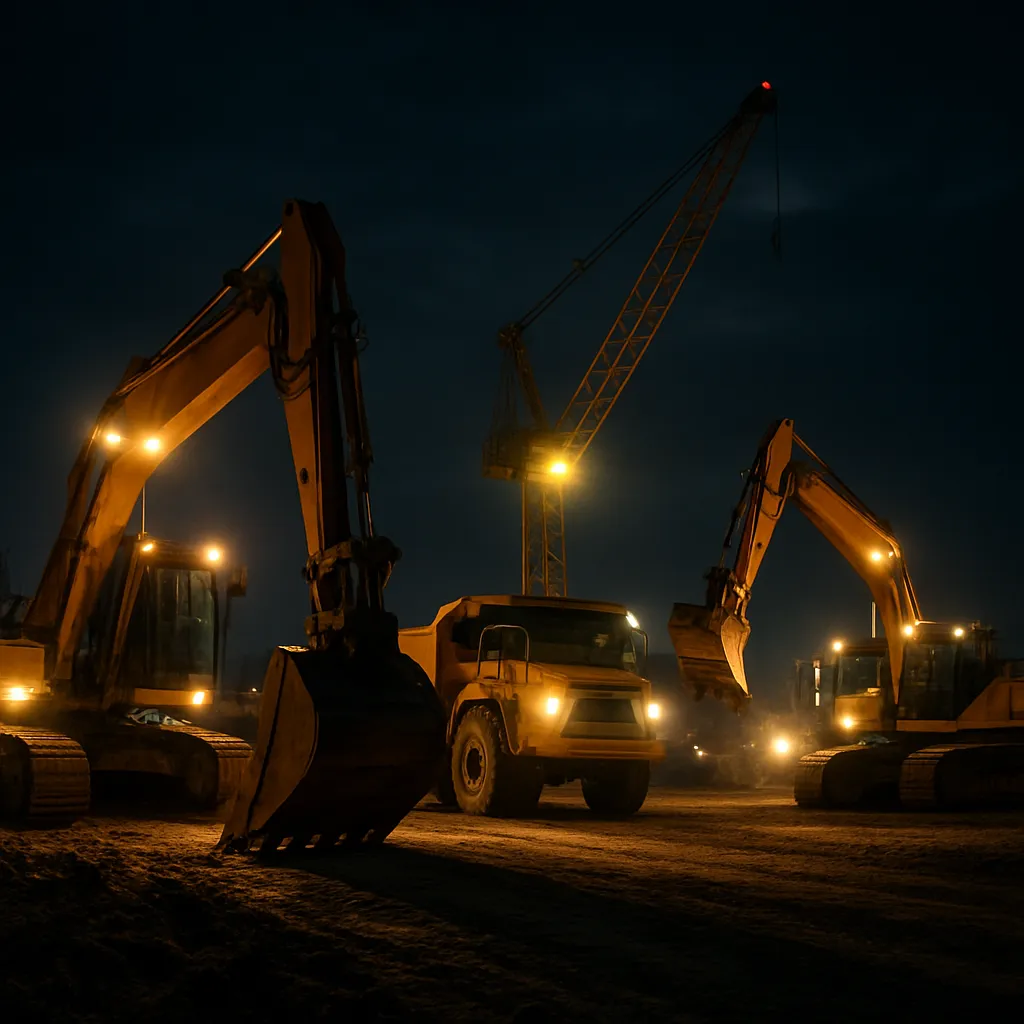
In bustling city centers, space is a precious commodity and every square foot must be used wisely. Urban construction and maintenance call for machines that can navigate tight alleys, fit on narrow sidewalks, and still deliver the raw power and precision needed for demanding tasks. From digging foundations for underground utilities to clearing debris from a renovation site, compact machines have revolutionized how contractors approach projects in dense environments. This article explores some of the most innovative compact machines shaping modern urban projects, highlighting their key features, real-world applications, and the technological advances that make them indispensable.
Innovative Mini Excavators
When space is at a premium, mini excavators take center stage. These agile diggers, often weighing between 1 to 10 tons, deliver robust digging efficiency while fitting in spaces where larger equipment simply cannot go. Their small footprint and adjustable undercarriage width allow operators to navigate through gates, doorways, and narrow passages with ease.
- Maneuverability: Zero-tail swing models prevent collisions with surrounding structures, making them ideal for street-level work.
- Versatility: Quick-coupler systems enable rapid changes between buckets, hydraulic hammers, augers, and grapples.
- Durability: Reinforced frames and heavy-duty undercarriage components stand up to frequent transport and tight turning motions.
Key Attachments
Mini excavators can be fitted with specialized attachments to handle a range of tasks:
- Hydraulic Breakers: Crack through concrete panels or asphalt sections in urban road repair.
- Augers: Drill precise holes for signposts, lighting poles, or fencing in confined settings.
- Thumb Grapples: Pick up rubble, demolish small walls, or clear vegetation between buildings.
Versatile Skid Steer Loaders
Skid steer loaders, celebrated for their skid-steering mechanism, offer a compact solution for loading, lifting, and material handling in cramped urban conditions. Their tight turning radius and ability to operate seamlessly on rough terrain make them a favorite among contractors tackling renovation and landscaping projects in city cores.
- Compactness: Low-profile designs fit within elevators for multi-level building interiors.
- Productivity: High-flow hydraulic systems support power-intensive attachments like cold planers and stump grinders.
- Multi-terrain Tracks: Convert skid steers into stable platforms for work on slopes and uneven pavements.
Trending Attachments
Urban contractors can expand the functionality of their skid steers with:
- Cold Planers: Remove thin layers of asphalt in preparation for resurfacing narrow alleyways.
- Brooms and Sweepers: Clear dust, dirt, and small debris quickly from sidewalks and plazas.
- Planters and Soil Conditioners: Prepare urban green spaces and rooftop gardens for planting.
Multi-Purpose Compact Trenchers
Installing or repairing underground utilities often means cutting through sidewalks and pavement. Compact trenchers deliver clean, uniform trenches while minimizing surface damage—crucial in areas with high foot traffic. These machines range from walk-behind models to ride-on units, each tailored to specific trench width and depth requirements.
- Precision: Depth controls ensure consistent trench profiles for pipe laying or cable placement.
- Rubber Tracks: Protect finished surfaces and reduce noise during operation in residential neighborhoods.
- Sustainability: Electric and hybrid variants lower emissions when digging near occupied buildings.
Choosing the Right Trencher
- Walk-Behind vs. Ride-On: Walk-behind trenchers are ideal for extremely tight sites, while ride-on models boost productivity over larger areas.
- Trench Width Options: Narrow chains for fiber-optic conduits, wider chains for drainage pipes and larger utility lines.
- Depth Capacity: Ensure the selected model can reach the depth required for city regulations and frost lines.
Smart Utility Vehicles
As cities embrace smarter infrastructure, compact utility vehicles equipped with advanced sensors, telematics, and remote-control capabilities are becoming increasingly popular. These machines handle a variety of support tasks—from transporting tools and materials across job sites to performing routine inspections of sewer systems.
- Technology: Integrated GPS and IoT sensors provide real-time data on machine health, usage patterns, and location.
- Remote Operation: Some models allow operators to manage functions at a safe distance, reducing risks in hazardous conditions.
- Efficiency: Electric powertrains diminish noise and emissions, enabling early-morning or late-night work with minimal disturbance to residents.
Key Use Cases
- Material Delivery: Small cargo boxes or flatbeds transport supplies through pedestrian areas where larger trucks can’t access.
- Roadway Inspection: Mounted cameras and scanners detect pavement defects or drainage blockages.
- Maintenance Platforms: Self-leveling lifts and scissor mechanisms provide safe access to streetlights and signage.
Integration and Safety Innovations
With urban job sites often jam-packed with pedestrians, cyclists, and motorists, advanced safety systems have become mandatory for compact equipment. Manufacturers are integrating a host of features to protect both operators and the public.
- Proximity Sensors and Alarms: Alert operators to approaching obstacles or people in blind spots.
- Enhanced Visibility: Camera systems and 360° view monitors reduce the risk of accidents in congested environments.
- Durability: Reinforced canopies and rollover protection structures (ROPS) safeguard operators on uneven terrain.
Future Trends in Urban Compact Machinery
Looking ahead, compact machines are evolving to meet the ever-tightening demands of city projects. Electric and hydrogen fuel-cell powertrains are set to replace diesel engines, cutting emissions to near zero. Meanwhile, autonomous navigation and AI-driven operational modes will allow equipment to survey, dig, and transport materials with minimal human intervention.
- Autonomy: Automated trench-digging sequences and obstacle avoidance reduce labor costs and improve consistency.
- Modular Attachments: Plug-and-play interfaces let contractors switch from excavation to demolition in minutes.
- Connectivity: Cloud-based fleet management optimizes routing, fuel usage, and maintenance scheduling across multiple job sites.